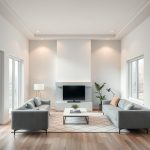
The push for energy efficiency in Australian homes has gained significant momentum in recent years, with the passive house construction industry leading the charge. By adopting passive house principles, homeowners can significantly reduce their energy consumption and carbon footprint, while also improving comfort and indoor air quality. In this article, we will focus on the importance of ventilation systems in achieving whole-of-home energy efficiency in passive house design.
- Section 1: Understanding Passive House Construction
- Section 2: The Role of Ventilation Systems in Passive House Design
- Section 3: Benefits of Energy-Efficient Ventilation Systems
- Section 4: Common Ventilation System Options in Passive House Design
- Section 5: The Importance of Compliance and Avoiding Penalties
- Section 6: Choosing the Right Ventilation System for Your Passive House Design
- FAQs
- Q: What is the difference between passive house construction and traditional construction methods?
- Q: How much can I expect to save on my energy bills with a passive house design?
- Q: What is the importance of airtightness in passive house design?
- Q: Are there any government incentives available for passive house construction in Australia?
- Q: Are passive house designs suitable for all climates?
- Key Information
- Conclusion
- Call to Action
Section 1: Understanding Passive House Construction
Passive house construction is a rigorous, voluntary standard for energy efficiency in a building, requiring minimal energy for heating and cooling. The principles of passive house design emphasise insulation, airtightness, and thermal bridging to create a comfortable living environment that is energy efficient.
Section 2: The Role of Ventilation Systems in Passive House Design
Proper ventilation is essential for maintaining indoor air quality, removing moisture, and ensuring a comfortable living environment in passive house designs. Ventilation systems play a key role in achieving whole-of-home energy efficiency by removing stale air and replacing it with fresh, conditioned air.
Section 3: Benefits of Energy-Efficient Ventilation Systems
Energy-efficient ventilation systems can help homeowners save money on their energy bills, reduce their carbon footprint, and improve indoor air quality. These systems are designed to recover heat and moisture from exhaust air, minimising the amount of energy required to heat and cool the home.
Section 4: Common Ventilation System Options in Passive House Design
There are several ventilation system options available for passive house designs, including balanced ventilation, demand-controlled ventilation, and heat recovery ventilation systems. Each system has its advantages and disadvantages, and the choice will depend on factors such as the size of the home, climate, and budget.
Section 5: The Importance of Compliance and Avoiding Penalties
The Australian Building Codes Board (ABCB) has strict requirements for energy efficiency in new homes, and non-compliance can result in penalties and project rejections. By incorporating energy-efficient ventilation systems into your passive house design, you can ensure compliance with the relevant standards and avoid potential penalties.
Section 6: Choosing the Right Ventilation System for Your Passive House Design
When selecting a ventilation system for your passive house design, it is essential to consider factors such as the size of your home, climate, budget, and personal preferences. Consulting with an experienced passive house designer and ventilation specialist can help you make an informed decision and ensure the success of your project.
FAQs
Q: What is the difference between passive house construction and traditional construction methods?
A: Passive house construction focuses on insulation, airtightness, and thermal bridging to create a highly energy-efficient building. Traditional construction methods often rely on mechanical systems to heat and cool the home, resulting in higher energy consumption.
Q: How much can I expect to save on my energy bills with a passive house design?
A: The energy savings achieved with a passive house design can vary depending on factors such as the size of the home, climate, and occupant behaviour. However, homeowners can typically expect to save 70-90% on their heating and cooling costs compared to a traditionally built home.
Q: What is the importance of airtightness in passive house design?
A: Airtightness is essential in passive house design to minimise heat loss and air infiltration. By achieving excellent airtightness, homes can maintain a consistent temperature and reduce their energy consumption for heating and cooling.
Q: Are there any government incentives available for passive house construction in Australia?
A: Yes, the Australian Government offers various incentives for energy-efficient homes, including the Energy Efficient Homes Package and the Small-scale Renewable Energy Scheme. Homeowners can also access state and territory government incentives for passive house construction.
Q: Are passive house designs suitable for all climates?
A: Passive house designs can be adapted to various climates, with modifications made to insulation, glazing, and ventilation systems to meet specific requirements. Consulting with a qualified passive house designer is essential to ensure the design is suitable for your specific climate.
Key Information
| Key Information | Description |
| — | — |
|---|---|
| Greenhouse gas emissions | Reduced carbon footprint due to lower energy consumption |
| Indoor air quality | Improved air quality through the removal of stale air and moisture |
| Compliance | Ensures compliance with the Australian Building Codes Board (ABCB) standards |
| Energy savings | Up to 90% on heating and cooling costs compared to traditionally built homes | | Greenhouse gas emissions | Reduced carbon footprint due to lower energy consumption | | Indoor air quality | Improved air quality through the removal of stale air and moisture | | Compliance | Ensures compliance with the Australian Building Codes Board (ABCB) standards |
Conclusion
Incorporating energy-efficient ventilation systems into your passive house design is a crucial step in achieving whole-of-home energy efficiency. By removing stale air and replacing it with fresh, conditioned air, these systems can help homeowners save money on their energy bills, reduce their carbon footprint, and improve indoor air quality. Consulting with an experienced passive house designer and ventilation specialist can help ensure the success of your project and avoid potential penalties for non-compliance with the relevant standards.
Call to Action
Contact an experienced passive house designer today to discuss your energy-efficient ventilation options for your passive house design. Take the first step towards a more comfortable, energy-efficient home in Nerang, Australia.
These articles are drafted with AI assistance and should be considered general information not professional advice or information Learn More
Related posts:
Energy Efficiency Matters: A Guide to Choosing the Best Windows for Your Tiny House in Nollamara
Boosting Energy Efficiency for North Melbourne's Holiday Rentals: Whole Home Energy Audits for Indoo...