
Homeowners embarking on renovations in the Beacon Hill area can significantly improve their properties’ energy efficiency and value by securing better energy ratings. This guide will delve into the intricacies of energy performance ratings, green building certifications, and their impact on residential properties in Beacon Hill.
- Section 1: Understanding Energy Performance Ratings
- Section 2: The Role of Green Building Certifications
- Section 3: Benefits of Green Building Certifications for Property Sales
- Section 4: Enhancing Your Property’s Energy Efficiency
- Section 5: Building Approval and Energy Efficiency Requirements
- FAQs
- Key Information
Section 1: Understanding Energy Performance Ratings
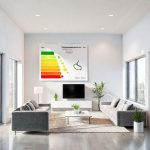
Energy performance ratings provide a clear indication of a property’s energy efficiency. In Australia, the Nationwide House Energy Rating Scheme (NatHERS) is the primary tool used to assess a dwelling’s thermal performance. The rating, expressed as a number between 0 and 10, indicates the property’s energy efficiency relative to the building code.
Section 2: The Role of Green Building Certifications
Green building certifications, such as the Green Star and LEED programs, promote sustainable design, construction, and operation of buildings. These certifications evaluate a property’s sustainability across various aspects, including energy efficiency, water usage, indoor environmental quality, and materials selection.
Section 3: Benefits of Green Building Certifications for Property Sales
Properties with green building certifications offer numerous advantages, including improved energy efficiency, reduced utility bills, enhanced indoor air quality, and increased property value. Additionally, these certified homes are more attractive to environmentally-conscious buyers and may command higher resale prices.
Section 4: Enhancing Your Property’s Energy Efficiency
Improving your property’s energy efficiency involves various strategies, such as insulation, efficient windows, energy-saving appliances, and renewable energy systems like solar panels. Consulting with a certified energy assessor can help identify specific areas for improvement and provide recommendations tailored to your property.
Section 5: Building Approval and Energy Efficiency Requirements
When planning renovations, it is essential to comply with building approval regulations that address energy efficiency. These requirements may vary depending on your local council and the nature of your renovation project. Consulting with a building professional can help ensure your renovation project meets all relevant energy efficiency standards.
FAQs
Q: What is NatHERS?
A: NatHERS is the Nationwide House Energy Rating Scheme, a tool used to assess a dwelling’s thermal performance and provide an energy efficiency rating.
Q: What are Green Star and LEED programs?
A: Green Star and LEED are green building certification programs that promote sustainable design, construction, and operation of buildings.
Q: How can I improve my property’s energy efficiency?
A: Improving your property’s energy efficiency involves strategies such as insulation, efficient windows, energy-saving appliances, and renewable energy systems like solar panels. Consulting with a certified energy assessor can help identify specific areas for improvement.
Q: What are the benefits of green building certifications for property sales?
A: Properties with green building certifications offer numerous advantages, including improved energy efficiency, reduced utility bills, enhanced indoor air quality, and increased property value. Additionally, these certified homes are more attractive to environmentally-conscious buyers and may command higher resale prices.
Q: What are the energy efficiency requirements for building approval?
A: Energy efficiency requirements for building approval may vary depending on your local council and the nature of your renovation project. Consulting with a building professional can help ensure your renovation project meets all relevant energy efficiency standards.
Key Information
| Category | Description |
| ————- | ——————————————————————————————- |
|---|---|
| Green Building Certifications | Programs like Green Star and LEED promote sustainable design and operations |
| Benefits of Certifications | Improved energy efficiency, reduced utility bills, increased property value |
| Energy Efficiency Improvements | Insulation, efficient windows, energy-saving appliances, renewable energy systems |
| Building Approval Requirements | Vary depending on local council and renovation project |
| Energy Efficiency Rating | Ranges from 0 (least efficient) to 10 (most efficient) | | Green Building Certifications | Programs like Green Star and LEED promote sustainable design and operations | | Benefits of Certifications | Improved energy efficiency, reduced utility bills, increased property value | | Energy Efficiency Improvements | Insulation, efficient windows, energy-saving appliances, renewable energy systems | | Building Approval Requirements | Vary depending on local council and renovation project |
By investing in energy efficiency improvements and securing green building certifications, Beacon Hill homeowners can enhance their properties’ value, attract environmentally-conscious buyers, and promote sustainable living. Consult with a certified energy assessor and building professional to ensure compliance with energy efficiency standards and maximise your property’s potential.
Contact a certified energy assessor and building professional today to discuss energy efficiency improvements for your Beacon Hill property and secure a better energy rating.
These articles are drafted with AI assistance and should be considered general information not professional advice or information Learn More
Related posts:

Streamlining Display Home Energy Efficiency: Prevent Costly Redesigns and Construction Delays with E...
NCC Compliance Certificate Energy Efficiency: Reducing Carbon Footprint in Relocatable Homes for Asc...
