
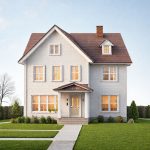
In the heart of Australia’s picturesque countryside, Donald presents a unique opportunity for homeowners to undertake heritage home renovations while prioritizing energy efficiency and sustainability. By partnering with a Building Certifier to create an Energy Efficiency Design and Report, you can ensure your renovation project not only preserves the historical charm of your home but also improves its energy efficiency, durability, and longevity.
- Section 1: The Importance of Energy Efficiency in Heritage Home Renovations
- Section 2: The Role of a Building Certifier in Energy Efficiency Design and Reports
- Section 3: Home Energy Assessment: Identifying Energy Saving Opportunities
- Section 4: Improving Building Durability and Longevity
- Section 5: Common Energy-Efficient Design Elements for Heritage Homes
- Section 6: The Benefits of Energy-Efficient Heritage Home Renovations
- FAQs
- Q: How does a Building Certifier help with energy-efficient renovations?
- Q: What is a Home Energy Assessment?
- Q: What are some common energy-efficient design elements for heritage homes?
- Q: How can energy-efficient renovations help improve my home’s durability and longevity?
- Q: What are the benefits of energy-efficient heritage home renovations?
- Key Information
Section 1: The Importance of Energy Efficiency in Heritage Home Renovations
Energy efficiency plays a crucial role in reducing your home’s carbon footprint and lowering your energy bills. By incorporating energy-efficient designs and materials into your heritage home renovation, you can create a more comfortable living environment while minimizing your impact on the environment.
Section 2: The Role of a Building Certifier in Energy Efficiency Design and Reports
A Building Certifier is responsible for ensuring your renovation project complies with building codes, regulations, and Australian Standards. In the context of energy efficiency, a Building Certifier will help you design an Energy Efficiency Design and Report to demonstrate the energy efficiency of your renovation project.
Section 3: Home Energy Assessment: Identifying Energy Saving Opportunities
A Home Energy Assessment is an essential first step in any energy-efficient renovation project. This assessment identifies areas of energy waste, such as poor insulation, inefficient appliances, and leaky windows, and provides recommendations for improvement.
Section 4: Improving Building Durability and Longevity
Incorporating energy-efficient designs and materials into your heritage home renovation can also help improve the durability and longevity of your home. For example, insulation can help protect your home against weather damage, while energy-efficient appliances can reduce wear and tear on your home’s electrical system.
Section 5: Common Energy-Efficient Design Elements for Heritage Homes
- – Draught-proofing: Sealing gaps and cracks to prevent warm air from escaping and cold air from entering.
- – Insulation: Installing insulation in the roof, walls, and floors to maintain a consistent temperature.
- – Energy-efficient windows: Replacing single-glazed windows with double-glazed or low-emissivity (low-E) windows to reduce heat loss.
- – Solar panels: Installing solar panels to generate renewable energy.
- – Energy-efficient appliances: Replacing old appliances with energy-efficient models to reduce energy consumption.
Section 6: The Benefits of Energy-Efficient Heritage Home Renovations
- – Lower energy bills: Reduced energy consumption leads to lower energy bills.
- – Comfortable living environment: Energy-efficient designs and materials help create a more comfortable living environment by maintaining a consistent temperature.
- – Reduced carbon footprint: Energy-efficient renovations help reduce your home’s carbon footprint, contributing to a more sustainable future.
FAQs
Q: How does a Building Certifier help with energy-efficient renovations?
A: A Building Certifier can help design an Energy Efficiency Design and Report, which outlines the energy efficiency measures incorporated into your renovation project.
Q: What is a Home Energy Assessment?
A: A Home Energy Assessment is an evaluation of your home’s energy usage and efficiency, identifying areas for improvement to reduce energy waste.
Q: What are some common energy-efficient design elements for heritage homes?
A: Some common energy-efficient design elements include draught-proofing, insulation, energy-efficient windows, solar panels, and energy-efficient appliances.
Q: How can energy-efficient renovations help improve my home’s durability and longevity?
A: By reducing wear and tear on appliances and protecting against weather damage, energy-efficient renovations can help improve your home’s durability and longevity.
Q: What are the benefits of energy-efficient heritage home renovations?
A: The benefits include lower energy bills, a more comfortable living environment, and a reduced carbon footprint.
Key Information
| Category | Description |
| ———- | ————- |
|---|---|
| Home Energy Assessment | An evaluation of your home’s energy usage and efficiency, identifying areas for improvement to reduce energy waste. |
| Draught-proofing | Sealing gaps and cracks to prevent warm air from escaping and cold air from entering. |
| Insulation | Installing insulation in the roof, walls, and floors to maintain a consistent temperature. |
| Energy-efficient windows | Replacing single-glazed windows with double-glazed or low-E windows to reduce heat loss. |
| Solar panels | Installing solar panels to generate renewable energy. |
| Energy-efficient appliances | Replacing old appliances with energy-efficient models to reduce energy consumption. |
| Energy Efficiency Design and Report | A document outlining the energy efficiency measures incorporated into your renovation project. | | Home Energy Assessment | An evaluation of your home’s energy usage and efficiency, identifying areas for improvement to reduce energy waste. | | Draught-proofing | Sealing gaps and cracks to prevent warm air from escaping and cold air from entering. | | Insulation | Installing insulation in the roof, walls, and floors to maintain a consistent temperature. | | Energy-efficient windows | Replacing single-glazed windows with double-glazed or low-E windows to reduce heat loss. | | Solar panels | Installing solar panels to generate renewable energy. | | Energy-efficient appliances | Replacing old appliances with energy-efficient models to reduce energy consumption. |
By partnering with a Building Certifier and incorporating energy-efficient designs and materials into your heritage home renovation, you can create a more comfortable, sustainable, and energy-efficient living environment. Start your energy-efficient renovation journey today and enjoy the benefits for years to come!
Contact a Building Certifier today to learn more about Energy Efficiency Design and Reports and how they can help make your heritage home renovation energy-efficient and sustainable.
These articles are drafted with AI assistance and should be considered general information not professional advice or information Learn More
![Whole-of-Home Energy Efficiency Design: Maximising Natural Lighting and Ventilation in Student Accommodation, Orbost [SEO-optimized for "Whole-of-Home Energy Efficiency Design", "Student Accommodation", "Orbost", "Energy Efficient Properties", "Natural Lighting", "Ventilation"]](https://houseenergy.com.au/wp-content/uploads/featured-whole-of-home-energy-efficiency-design-home-energy-rating-pre-purchase-20251005-221235-150x150.jpg)