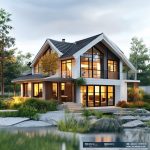
In the ever-evolving relocatable homes industry, durability and longevity are crucial factors that determine the success of a building project. To address these concerns, the Energy House, a leading provider of relocatable homes in Australia, has released the Energy Efficiency House Design Report. This comprehensive guide offers insights into designing energy-efficient homes that not only reduce energy costs but also enhance building durability and longevity.
- Section 1: The Importance of Energy Efficiency in Relocatable Homes
- Section 2: Sustainable Materials and Construction Techniques
- Section 3: Passive Design Principles
- Section 4: Advanced Insulation Techniques
- Section 5: Harnessing Renewable Energy Sources
- Section 6: Monitoring and Adjusting Energy Consumption
- FAQs
- Q: Who is the Energy House, and what do they offer?
- Q: What is the Energy Efficiency House Design Report?
- Q: How can energy efficiency contribute to building durability?
- Q: What sustainable materials and construction techniques are recommended in the Energy Efficiency House Design Report?
- Q: How can passive design principles be implemented in relocatable homes?
- Key Information
Section 1: The Importance of Energy Efficiency in Relocatable Homes
Energy efficiency plays a significant role in the durability and longevity of relocatable homes. By minimising energy consumption, these homes reduce stress on their systems, leading to extended lifespans. The Energy Efficiency House Design Report provides detailed guidelines on designing energy-efficient homes, ensuring they meet the needs of the Australian market.
Section 2: Sustainable Materials and Construction Techniques
Sustainable materials and construction techniques contribute to the durability and longevity of relocatable homes. The Energy Efficiency House Design Report emphasises the use of eco-friendly materials and energy-efficient construction methods in the design process. This approach not only reduces the environmental impact but also ensures the homes are built to last.
Section 3: Passive Design Principles
Passive design principles are integral to creating energy-efficient homes that are durable and long-lasting. These principles focus on optimising the home’s orientation, insulation, and shading to minimise energy consumption. The Energy Efficiency House Design Report provides a wealth of information on implementing passive design principles effectively in relocatable homes.
Section 4: Advanced Insulation Techniques
Advanced insulation techniques play a vital role in enhancing the energy efficiency and longevity of relocatable homes. The Energy Efficiency House Design Report offers insights into various insulation methods, including the use of reflective insulation, spray foam insulation, and advanced insulation systems.
Section 5: Harnessing Renewable Energy Sources
Harnessing renewable energy sources is a key aspect of energy-efficient and durable relocatable homes. The Energy Efficiency House Design Report provides guidance on integrating solar panels, wind turbines, and other renewable energy sources into the design process.
Section 6: Monitoring and Adjusting Energy Consumption
Monitoring and adjusting energy consumption is crucial for maintaining the durability and longevity of relocatable homes. The Energy Efficiency House Design Report offers strategies for monitoring energy usage and making adjustments to ensure the home remains energy-efficient over its lifetime.
FAQs
Q: Who is the Energy House, and what do they offer?
A: Energy House is a leading provider of relocatable homes in Australia. They offer energy-efficient homes designed to meet the needs of the Australian market, with a focus on durability and longevity.
Q: What is the Energy Efficiency House Design Report?
A: The Energy Efficiency House Design Report is a comprehensive guide produced by Energy House that offers insights into designing energy-efficient homes that are durable and long-lasting.
Q: How can energy efficiency contribute to building durability?
A: By minimising energy consumption, energy-efficient homes reduce stress on their systems, leading to extended lifespans.
Q: What sustainable materials and construction techniques are recommended in the Energy Efficiency House Design Report?
A: The Energy Efficiency House Design Report recommends using eco-friendly materials and energy-efficient construction methods in the design process.
Q: How can passive design principles be implemented in relocatable homes?
A: Passive design principles can be implemented in relocatable homes by optimising the home’s orientation, insulation, and shading to minimise energy consumption.
Key Information
| Category | Details |
| ————– | ————————————————————————— |
|---|---|
| Available On | Energy House Website |
| Target Audience | Architects and building designers in the relocatable homes industry in Berowra |
| Report Title | Energy Efficiency House Design Report for Energy House | | Available On | Energy House Website | | Target Audience | Architects and building designers in the relocatable homes industry in Berowra |
The Energy Efficiency House Design Report offers valuable insights for architects and building designers in the relocatable homes industry in Berowra. By implementing the guidelines outlined in this report, you can design energy-efficient homes that are not only cost-effective but also durable and long-lasting.
Don’t miss out on this opportunity to improve your designs. Get your copy of the Energy Efficiency House Design Report today and start creating homes that stand the test of time. Visit Energy House Website to learn more.
These articles are drafted with AI assistance and should be considered general information not professional advice or information Learn More