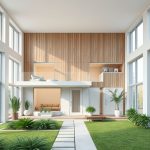
As the demand for sustainable and energy-efficient homes continues to grow, the modular and prefabricated homes industry in Raymond Terrace is poised to lead the way. Architects and engineers have a unique opportunity to make a significant impact in this sector by focusing on energy-efficient design and thermal performance evaluations. In this article, we’ll walk you through the process of designing energy-efficient modular homes in Raymond Terrace, with a focus on coordinating with engineers on energy specifications.
- Section 1: Understanding Energy Efficiency in Modular Homes
- Section 2: Thermal Performance Evaluation for New Homes
- Section 3: Collaborating with Architects and Engineers
- Section 4: Material Selection and Construction Techniques
- Section 5: Assessing the Home’s Energy Usage
- Section 6: Certification and Compliance
- FAQs
- Key Information
- Conclusion:
- Call to Action:
Section 1: Understanding Energy Efficiency in Modular Homes
Energy efficiency in modular homes is crucial for reducing energy costs, minimizing greenhouse gas emissions, and enhancing overall comfort. To achieve energy efficiency, consider the following factors:
- 1. Insulation: Proper insulation in walls, roofs, and floors helps to maintain a consistent indoor temperature and reduce heating and cooling costs.
- 2. Windows: Energy-efficient glazing and low-e coatings can significantly reduce heat loss and gain, improving the home’s overall energy performance.
- 3. Building Orientation: The orientation of the home can impact its energy usage, with north-facing windows capturing winter sunlight and south-facing windows minimizing summer heat gain.
Section 2: Thermal Performance Evaluation for New Homes
Thermal performance evaluations help to ensure that a modular home meets energy efficiency standards. This process involves assessing the home’s energy consumption, heat loss, and insulation efficiency. Working closely with engineers during this evaluation is essential for achieving optimal energy efficiency.
Section 3: Collaborating with Architects and Engineers
A successful energy-efficient modular home design requires close collaboration between architects and engineers. Architects bring their creative vision to the table, while engineers provide technical expertise on energy performance and thermal efficiency.
Section 4: Material Selection and Construction Techniques
Choosing energy-efficient materials and employing energy-saving construction techniques are key to achieving a highly energy-efficient modular home. Consider the following options:
- 1. Sustainable Timbers: Use certified, sustainably sourced timbers to minimize environmental impact.
- 2. Energy-Efficient Appliances: Select appliances with high energy efficiency ratings to reduce energy consumption.
- 3. Passive Design Principles: Incorporate passive design principles, such as natural ventilation, shading, and thermal mass, to create a comfortable living environment.
Section 5: Assessing the Home’s Energy Usage
Post-construction, it’s essential to evaluate the home’s energy usage to identify areas for improvement. Tools such as energy monitoring devices can help you track energy consumption and identify inefficiencies.
Section 6: Certification and Compliance
Ensure your modular home adheres to energy efficiency standards by seeking certification under the Nationwide House Energy Rating Scheme (NatHERS) or the Green Star rating system.
FAQs
Q: What is the significance of energy efficiency in modular homes?
A: Energy efficiency in modular homes is crucial for reducing energy costs, minimizing greenhouse gas emissions, and enhancing overall comfort.
Q: What role do architects play in energy-efficient modular home designs?
A: Architects bring their creative vision to the table, working closely with engineers to design energy-efficient modular homes that meet energy performance and thermal efficiency standards.
Q: How can I assess a modular home’s energy usage post-construction?
A: Post-construction, you can use energy monitoring devices to track energy consumption and identify inefficiencies.
Q: What energy-efficient materials should I consider for my modular home?
A: Consider using sustainably sourced timbers, energy-efficient appliances, and incorporating passive design principles to create a highly energy-efficient modular home.
Key Information
| Criteria | Description |
| ————————— | ———————————————————————————————————————————————————————————————————————————————————————————————————————————————————————————————————————————————————————————————————————————————————————————————————————————————————————————————————————————————————————————————————————————————– |
|---|---|
| Thermal Performance Evaluation | Engineers assess the home’s energy consumption, heat loss, and insulation efficiency during the evaluation process. |
| Passive Design Principles | Incorporating passive design principles, such as natural ventilation, shading, and thermal mass, can help create a comfortable living environment while reducing energy usage. |
| Energy Efficiency Standards | NatHERS and Green Star rating systems provide guidelines for energy-efficient modular home designs in Australia. | | Thermal Performance Evaluation | Engineers assess the home’s energy consumption, heat loss, and insulation efficiency during the evaluation process. | | Passive Design Principles | Incorporating passive design principles, such as natural ventilation, shading, and thermal mass, can help create a comfortable living environment while reducing energy usage. |
Conclusion:
By collaborating with engineers on energy specifications and employing thermal performance evaluations, architects and engineers in the modular and prefabricated homes industry can contribute to sustainable building practices in Raymond Terrace. By focusing on energy efficiency, we can create comfortable, cost-effective, and environmentally friendly homes that Australians will love.
Call to Action:
Are you ready to design energy-efficient modular homes that make a difference? Contact us today to learn more about our energy efficiency solutions and how we can help you create sustainable living spaces for the future.
These articles are drafted with AI assistance and should be considered general information not professional advice or information Learn More