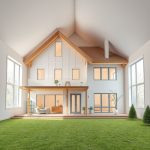
In the heart of Melbourne, Parkville is seeing an increase in townhouse developments. With the growing demand for sustainable living and energy-efficient structures, it’s essential for construction consultants to stay informed about energy regulations and mandatory disclosure requirements.
- Section 1: The Importance of Energy Efficiency in Townhouse Developments
- Section 2: Energy Regulations and Mandatory Disclosure
- Section 3: Energy Efficiency Design Principles
- Section 4: Key Information
- Section 5: Energy-Efficient Materials and Technologies
- FAQs
- Q: What is the minimum energy rating required for townhouses in Victoria?
- Q: Do I need a Sustainability Declaration for my townhouse development project?
- Q: Are there financial incentives for energy-efficient townhouse developments in Victoria?
- Q: How does the orientation of a townhouse affect its energy efficiency?
- Q: What is the significance of energy-efficient glazing?
- Conclusion:
- Call to Action:
Section 1: The Importance of Energy Efficiency in Townhouse Developments
Energy efficiency plays a vital role in reducing greenhouse gas emissions, lowering energy costs, and improving the overall quality of life for residents. By adopting energy-efficient design principles, developers can create comfortable, affordable, and environmentally friendly townhouses.
Section 2: Energy Regulations and Mandatory Disclosure
The Australian Government and Victorian State Government have implemented energy regulations to promote energy efficiency in new residential developments. One such regulation is the Nationwide House Energy Rating Scheme (NatHERS), which requires townhouses to achieve a minimum 6-star energy rating. In addition, the Victorian Building Authority (VBA) requires mandatory disclosure of energy efficiency information in the Sustainability Declaration for construction permits.
Section 3: Energy Efficiency Design Principles
To achieve energy efficiency in townhouse developments, consider the following design principles:
- – Orientation: Optimising the orientation of townhouses to maximise solar access in winter and minimise heat gain in summer.
- – Insulation: Installing appropriate insulation in walls, floors, and roofs to reduce heat transfer.
- – Glazing: Choosing energy-efficient glazing that minimises heat loss and glare.
- – Ventilation: Designing homes with cross-ventilation and mechanical ventilation systems for cooling and fresh air circulation.
Section 4: Key Information
| Category | Information |
| ———- | ————- |
|---|---|
| Sustainability Declaration | Mandatory for construction permit applications in Victoria |
| Energy Efficiency Improvements | Up to $2,000 rebate for eligible energy efficiency upgrades in Victoria |
| Minimum Energy Rating | 6-star NatHERS rating for townhouses | | Sustainability Declaration | Mandatory for construction permit applications in Victoria | | Energy Efficiency Improvements | Up to $2,000 rebate for eligible energy efficiency upgrades in Victoria |
Section 5: Energy-Efficient Materials and Technologies
Incorporating energy-efficient materials and technologies can further improve the energy performance of townhouses. Some examples include:
- – Low-VOC paints and adhesives
- – Energy-efficient appliances and lighting
- – Solar photovoltaic (PV) panels
- – Rainwater harvesting systems
FAQs
Q: What is the minimum energy rating required for townhouses in Victoria?
A: The minimum energy rating for townhouses in Victoria is a 6-star NatHERS rating.
Q: Do I need a Sustainability Declaration for my townhouse development project?
A: Yes, a Sustainability Declaration is mandatory for construction permit applications in Victoria.
Q: Are there financial incentives for energy-efficient townhouse developments in Victoria?
A: Yes, up to $2,000 rebates are available for eligible energy efficiency upgrades in townhouse developments in Victoria.
Q: How does the orientation of a townhouse affect its energy efficiency?
A: Optimal orientation allows for maximum solar access in winter and minimises heat gain in summer, reducing energy consumption for heating and cooling.
Q: What is the significance of energy-efficient glazing?
A: Energy-efficient glazing helps to reduce heat transfer through windows, minimising the need for additional heating and cooling.
Conclusion:
By adhering to energy efficiency design principles and mandatory disclosure requirements, townhouse development consultants in Parkville can create sustainable, affordable, and comfortable living spaces that meet the needs of today’s home buyers.
Call to Action:
Are you a townhouse development consultant in Parkville looking to stay ahead of the curve on energy efficiency and regulatory compliance? Contact our team of energy experts to learn more about our sustainable design solutions and energy-efficient technologies.
These articles are drafted with AI assistance and should be considered general information not professional advice or information Learn More