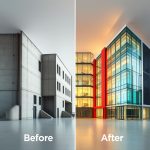
Welcome to a comprehensive guide on energy efficiency in house design, focusing on Loftus’s relocatable homes. As sustainability consultants, we understand the importance of reducing carbon footprint and environmental impact, especially in the ever-evolving relocatable homes industry. This report aims to provide practical solutions to help you create energy-efficient homes that prioritise comfort and sustainability.
- Section 1: Understanding Energy Efficiency
- Section 2: Benefits of Energy Efficiency in Relocatable Homes
- Section 3: Key Energy-Efficient Features in Relocatable Homes
- Section 4: Design Considerations for Energy-Efficient Relocatable Homes
- Section 5: Sustainable Materials and Construction
- FAQs
- Key Information
Section 1: Understanding Energy Efficiency
Energy efficiency refers to using less energy to perform the same task, thus reducing energy consumption and costs. In the context of house design, it involves implementing strategies to optimise the use of energy for heating, cooling, lighting, and appliances.
Section 2: Benefits of Energy Efficiency in Relocatable Homes
- 1. Reduced energy bills: Lower energy consumption leads to lower energy bills, making your relocatable home more cost-effective.
- 2. Comfortable living space: Energy-efficient homes maintain a comfortable temperature year-round, ensuring your family’s comfort and well-being.
- 3. Minimised carbon footprint: By using less energy, you contribute to reducing greenhouse gas emissions and combat climate change.
Section 3: Key Energy-Efficient Features in Relocatable Homes
- 1. Insulation: Proper insulation prevents heat escape in winter and keeps out heat in summer, reducing the need for heating and cooling.
- 2. Energy-efficient appliances: Appliances with high energy efficiency ratings consume less power, saving you money on electricity bills.
- 3. Solar panels: Harnessing the sun’s energy through solar panels can significantly reduce your reliance on grid electricity.
Section 4: Design Considerations for Energy-Efficient Relocatable Homes
- 1. Orientation: Orienting your home to make the most of natural light and wind can reduce the need for artificial lighting and heating.
- 2. passive design: Incorporating passive design elements, such as shading devices and thermal mass, can help regulate indoor temperatures.
- 3. Energy-efficient windows: High-performance windows minimise heat transfer, keeping your home comfortable and energy-efficient.
Section 5: Sustainable Materials and Construction
- 1. Using recycled materials: Recycled materials reduce waste and lower the environmental impact of construction.
- 2. Low-VOC paints and finishes: Low-VOC (volatile organic compounds) paints and finishes improve indoor air quality, contributing to a healthier living environment.
FAQs
Q: What is the first step in designing an energy-efficient relocatable home?
A: Assessing your energy needs and identifying energy-efficient features to incorporate into your design is the first step.
Q: How can I reduce my relocatable home’s carbon footprint?
A: By implementing energy-efficient features, such as insulation, energy-efficient appliances, and solar panels, you can significantly reduce your carbon footprint.
Q: Are energy-efficient appliances more expensive?
A: Initially, energy-efficient appliances may be more expensive, but they save money in the long run through lower energy bills and longer lifespans.
Key Information
| Feature | Benefit |
| ——— | ——— |
|---|---|
| Solar Panels | Lower reliance on grid electricity, reduced energy bills, minimised carbon footprint |
| Energy-efficient appliances | Lower energy bills, longer lifespans |
| Insulation | Reduced energy bills, comfortable living space, minimised carbon footprint | | Solar Panels | Lower reliance on grid electricity, reduced energy bills, minimised carbon footprint | | Energy-efficient appliances | Lower energy bills, longer lifespans |
By implementing energy-efficient features in your relocatable home, you can enjoy a comfortable living space while reducing your carbon footprint and environmental impact. As sustainability consultants, we are here to guide you every step of the way.
Contact us today to learn more about energy efficiency in house design and how we can help you create a sustainable and comfortable relocatable home in Loftus.
These articles are drafted with AI assistance and should be considered general information not professional advice or information Learn More
Related posts:
Energy Efficiency Insulation Report and Design for Energy House: Meeting Minimum Energy Performance ...
Boosting Energy Efficiency in Mount Lawley's Tiny Houses: A Guide for Council Approval, Building Cer...