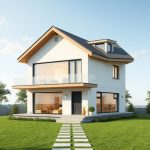
The Australian housing market is experiencing a surge in popularity for modular and prefabricated homes. For HVAC contractors in Stafford, understanding and implementing energy-efficient design principles is crucial for success. This guide will equip you with the knowledge to design and install HVAC systems that maximise efficiency and minimise energy consumption in these increasingly popular homes. We’ll explore crucial aspects of energy efficiency reports, insulation strategies, and the strategic placement of windows and glazing, all within the context of Green Building practices.
- Section 1: Energy Efficiency Insulation Report and Design
- Section 2: Optimising Insulation in Modular Homes
- Section 3: Strategic Window Placement and Glazing Specifications
- Section 4: Green Building Principles and Energy Efficiency
- Section 5: HVAC System Selection and Installation for Energy Efficiency
- Key Information
- FAQs
- Q: What are the benefits of using an energy efficiency report?
- Q: What types of insulation are suitable for modular homes?
- Q: How important is window placement in energy efficiency?
- Q: What are some key Green Building principles for modular homes?
- Q: How can I find a qualified HVAC contractor in Stafford?
Section 1: Energy Efficiency Insulation Report and Design
An accurate energy efficiency report is paramount. This report, often part of a broader thermal modelling assessment, should detail the building’s thermal performance, identifying areas of heat loss and gain. For modular and prefabricated homes, this is especially important due to their construction methods. The report should specify the required R-value (thermal resistance) for insulation in walls, roofs, and floors, considering the specific climate conditions of Stafford, Queensland. This information informs the selection of appropriate insulation materials, such as fibreglass, cellulose, or polyisocyanurate, ensuring optimal thermal performance and compliance with Australian building codes.
Section 2: Optimising Insulation in Modular Homes
The unique construction of modular homes presents both opportunities and challenges for insulation. Prefabricated wall panels offer the chance to incorporate high-performance insulation during the manufacturing process, leading to a more efficient and streamlined installation. Careful attention must be paid to sealing all joints and penetrations to prevent thermal bridging – areas where heat can easily escape. Using continuous insulation systems, which wrap around the entire structure, is a highly effective strategy for minimising heat transfer. Furthermore, choosing insulation with high thermal performance and low embodied carbon will contribute to a more sustainable outcome.
Section 3: Strategic Window Placement and Glazing Specifications
Window placement significantly impacts energy efficiency. In Stafford’s climate, maximising northern exposure for winter sun and minimising western exposure to reduce afternoon heat gain is crucial. Double or triple-glazed windows with low-E coatings significantly reduce heat transfer, improving both heating and cooling efficiency. The use of external shading devices, such as awnings or overhangs, can further reduce solar heat gain in summer. These strategies, when incorporated into the design phase, can drastically reduce reliance on HVAC systems.
Section 4: Green Building Principles and Energy Efficiency
Integrating Green Building principles throughout the design and construction process is essential for achieving optimal energy efficiency. This includes utilising passive design strategies, such as natural ventilation and daylighting, to minimise the need for mechanical systems. Selecting sustainable building materials with low embodied carbon reduces the overall environmental impact. Achieving a high-performance building envelope, through careful attention to insulation, air sealing, and window selection, is crucial. Furthermore, incorporating smart home technology can further optimise energy consumption.
Section 5: HVAC System Selection and Installation for Energy Efficiency
Once the building envelope is optimised, selecting the appropriate HVAC system is key. High-efficiency heat pumps, offering both heating and cooling capabilities, are a sustainable choice. Proper sizing of the system is crucial to avoid over- or under-capacity, which can lead to inefficient operation. The installation process should also adhere to best practices to ensure optimal performance and minimise air leaks. Regular maintenance and servicing are vital for maintaining the efficiency of the HVAC system throughout its lifespan.
Key Information
| Feature | Description | Benefit |
| ———————- | ————————————————– | ————————————————— |
|---|---|---|
| Window Glazing | Double or triple glazing with low-E coatings | Improved thermal performance, reduced heat gain/loss |
| HVAC System Type | High-efficiency heat pumps | Reduced energy consumption, lower running costs |
| Insulation R-Value | Minimum R-values for walls, roofs, and floors | Reduced heat transfer, lower energy bills | | Window Glazing | Double or triple glazing with low-E coatings | Improved thermal performance, reduced heat gain/loss | | HVAC System Type | High-efficiency heat pumps | Reduced energy consumption, lower running costs |
FAQs
Q: What are the benefits of using an energy efficiency report?
An energy efficiency report provides crucial data for designing an energy-efficient building, identifying areas for improvement, and ensuring compliance with building codes. This leads to lower energy bills and a more comfortable living environment.
Q: What types of insulation are suitable for modular homes?
Various insulation types are suitable, including fibreglass, cellulose, and polyisocyanurate. The choice depends on factors like R-value requirements, cost, and environmental impact.
Q: How important is window placement in energy efficiency?
Strategic window placement maximises solar gain in winter and minimises solar heat gain in summer, significantly reducing the load on the HVAC system.
Q: What are some key Green Building principles for modular homes?
Key principles include passive design strategies (natural ventilation, daylighting), sustainable materials, and a high-performance building envelope.
Q: How can I find a qualified HVAC contractor in Stafford?
Search online directories, seek recommendations, and verify qualifications and experience before selecting a contractor.
By implementing the strategies outlined in this guide, HVAC contractors in Stafford can significantly enhance the energy efficiency of modular and prefabricated homes. This will not only benefit clients through lower energy bills and increased comfort but will also position your business as a leader in sustainable building practices within the growing modular home market.
Contact us today to discuss your next modular home project and how we can help you design and install a highly efficient HVAC system. Let’s build a more sustainable future, together.
These articles are drafted with AI assistance and should be considered general information not professional advice or information Learn More