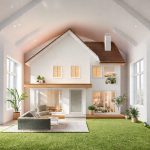
Energy efficiency is paramount for retirement villages, impacting both operational costs and resident comfort. In Airds, where energy prices can fluctuate, implementing energy-saving renovations is a smart investment. This guide provides practical, budget-conscious ideas for retirement village operators to enhance the energy performance of their properties, focusing on optimising HVAC systems and overall building efficiency.
- Section 1: Optimising Heating and Cooling Systems for Energy Efficiency
- Section 2: Improving Insulation and Air Sealing in Retirement Village Units
- Section 3: Energy-Efficient Window Upgrades for Retirement Villages
- Section 4: Lighting Upgrades: Switching to LEDs for Energy Savings
- Section 5: Water Heating Efficiency in Retirement Village Settings
- Section 6: Designing Energy-Efficient Display Homes and Show Villages in Airds
- Key Information
- FAQs
- Q: What government incentives are available for energy-efficient renovations in NSW?
- Q: How can I assess the energy efficiency of my retirement village’s buildings?
- Q: What is the return on investment for energy-efficient renovations?
- Q: How do I choose the right HVAC system for my retirement village?
- Q: Are there any ongoing maintenance requirements for energy-efficient upgrades?
Section 1: Optimising Heating and Cooling Systems for Energy Efficiency
Modernising your HVAC systems is a key step towards significant energy savings. Consider upgrading to energy-efficient heat pumps, which offer both heating and cooling capabilities with lower energy consumption than traditional systems. Regular maintenance, including filter changes and professional servicing, is crucial for optimal performance and longevity. Investing in a smart thermostat allows for programmable temperature settings, further reducing energy waste. For existing systems, consider adding zoning capabilities to control temperatures in individual areas, avoiding heating or cooling unoccupied spaces.
Section 2: Improving Insulation and Air Sealing in Retirement Village Units
Effective insulation is vital for maintaining comfortable temperatures year-round. Assess the current insulation levels in walls, roofs, and underfloors. Adding extra insulation, particularly in older buildings, can dramatically reduce heat loss in winter and heat gain in summer. Air sealing is equally important; identify and seal any gaps or cracks in windows, doors, and around pipes to prevent drafts and air leakage. This simple measure can significantly improve energy efficiency without major renovations.
Section 3: Energy-Efficient Window Upgrades for Retirement Villages
Windows play a significant role in energy loss. Upgrading to double- or triple-glazed windows can drastically reduce heat transfer. Consider low-E coatings, which reflect heat back outwards in summer and inwards in winter. If full window replacement isn’t feasible, applying window film can provide some improvement in energy efficiency at a lower cost. Ensure all windows and doors have effective weather stripping to minimise drafts.
Section 4: Lighting Upgrades: Switching to LEDs for Energy Savings
Switching to energy-efficient LED lighting is a simple yet impactful change. LEDs consume significantly less energy than traditional incandescent or fluorescent bulbs, resulting in substantial savings on electricity bills. Consider installing motion sensors in hallways and common areas to further reduce energy consumption. Natural light should also be maximised through appropriate window placement and interior design.
Section 5: Water Heating Efficiency in Retirement Village Settings
Water heating accounts for a considerable portion of energy consumption. Consider upgrading to a more efficient water heater, such as a heat pump water heater, which extracts heat from the surrounding air. Regular maintenance of existing systems, including flushing and descaling, is essential for optimal performance and energy efficiency. Low-flow showerheads and taps can also significantly reduce water and energy usage.
Section 6: Designing Energy-Efficient Display Homes and Show Villages in Airds
When designing new display homes and show villages, incorporate energy-efficient features from the outset. This includes utilising passive solar design principles to maximise natural light and minimise heat gain, selecting energy-efficient building materials, and incorporating smart home technology for automated energy management. Showcase these features to potential residents, highlighting the long-term cost savings and environmental benefits.
Key Information
| Feature | Cost (approx.) | Energy Savings (approx.) |
| —————– | —————– | ————————– |
|---|---|---|
| Insulation Upgrade | $2000 – $10000 | 20-40% |
| Heat Pump Install | $5000 – $15000 | 30-50% |
| LED Lighting Upgrade | $500 – $2000 | 50-75% | | Insulation Upgrade | $2000 – $10000 | 20-40% | | Heat Pump Install | $5000 – $15000 | 30-50% |
FAQs
Q: What government incentives are available for energy-efficient renovations in NSW?
A: The NSW government offers various rebates and incentives for energy-efficient upgrades. Check the NSW government website for the latest information on available programs.
Q: How can I assess the energy efficiency of my retirement village’s buildings?
A: Conduct an energy audit. A qualified energy assessor can identify areas for improvement and provide recommendations for cost-effective upgrades.
Q: What is the return on investment for energy-efficient renovations?
A: The ROI varies depending on the specific upgrades, but generally, energy-efficient renovations offer significant long-term cost savings through reduced energy bills.
Q: How do I choose the right HVAC system for my retirement village?
A: Consult with a qualified HVAC specialist to determine the best system based on the size, layout, and climate of your buildings.
Q: Are there any ongoing maintenance requirements for energy-efficient upgrades?
A: Regular maintenance is crucial for optimal performance and longevity. This includes things like filter changes, servicing of HVAC systems, and checking insulation levels.
Implementing energy-efficient renovations in your Airds retirement village is a financially sound and environmentally responsible decision. By focusing on optimising HVAC systems, improving insulation, and upgrading lighting and appliances, you can significantly reduce energy consumption, lower operational costs, and enhance the comfort and appeal of your properties.
Contact a qualified energy consultant today to discuss energy-efficient renovation options for your retirement village in Airds. Let’s work together to create a more sustainable and comfortable living environment for your residents.
These articles are drafted with AI assistance and should be considered general information not professional advice or information Learn More
Related posts:
Building Certifiers Energy Efficiency Design and Report: Optimising Air Quality and Energy Efficienc...

Achieving 7 Star Energy Efficiency in Home Renovations: Sealing Building Envelopes and Preventing Th...