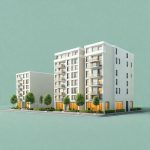
Renovating affordable housing in Chester Hill, NSW, presents unique challenges and opportunities. Meeting energy efficiency standards while adhering to strict budgets and timelines requires a strategic approach. This article outlines a detailed renovation timeline, focusing on the crucial role of energy assessments and the integration of renewable energy systems within the framework of Australian construction compliance. We will guide building contractors in Chester Hill through the process, ensuring smooth project execution and compliance.
- Section 1: Scheduling Energy Assessments for Optimal Efficiency
- Section 2: Understanding Australian Construction Compliance Requirements
- Section 3: Integrating Renewable Energy Systems: Solar PV and Beyond
- Section 4: Developing a Realistic Renovation Timeline for Chester Hill Projects
- Section 5: Leveraging Government Incentives and Grants for Energy Efficiency
- Section 6: Post-Renovation Energy Performance Verification
- Key Information
- FAQs
- Q: How long does an energy assessment typically take?
- Q: Are there specific energy efficiency standards for affordable housing in NSW?
- Q: What government incentives are available for renewable energy installations?
- Q: Who is responsible for ensuring NCC compliance?
- Q: What happens if my renovation doesn’t meet energy efficiency standards?
Section 1: Scheduling Energy Assessments for Optimal Efficiency
Prioritising energy assessments early in the renovation process is paramount. An accredited energy assessor will conduct a thorough evaluation of the existing building’s energy performance, identifying areas for improvement. This assessment should be scheduled at least four weeks before commencing any major works. The report will inform the design and selection of energy-efficient materials and technologies, optimising the project’s overall energy performance and potentially unlocking government incentives. This early assessment avoids costly rework later in the project. In Chester Hill, several accredited assessors are available, and early engagement is key to meeting project deadlines.
Section 2: Understanding Australian Construction Compliance Requirements
Compliance with the National Construction Code (NCC) is mandatory for all building projects in Australia, including affordable housing renovations in Chester Hill. This involves adherence to specific energy efficiency standards, which are regularly updated. Building contractors must ensure all work complies with the relevant provisions of the NCC. Understanding these requirements before commencing work prevents costly delays and potential legal issues. This includes obtaining necessary permits and approvals from the relevant authorities. Familiarising yourself with the NSW Building Professionals Board guidelines is also crucial.
Section 3: Integrating Renewable Energy Systems: Solar PV and Beyond
The integration of renewable energy systems, such as solar photovoltaic (PV) panels, is becoming increasingly common in new and renovated homes. Incorporating these systems early in the renovation timeline ensures seamless installation and optimal performance. This requires careful planning and coordination with the energy assessor and electrical contractors. The system’s size and capacity should be determined based on the energy assessment report and the household’s energy consumption patterns. Consideration should also be given to battery storage solutions for enhanced energy independence.
Section 4: Developing a Realistic Renovation Timeline for Chester Hill Projects
A well-defined timeline is crucial for successful project delivery. The timeline should include detailed milestones for each stage, from initial energy assessment to final inspections. This should account for potential delays, including material procurement and obtaining necessary approvals. Regular progress meetings with all stakeholders are essential for effective communication and problem-solving. A realistic timeline minimises disruptions and ensures timely project completion, which is especially important for affordable housing developments where tenants may be affected.
Section 5: Leveraging Government Incentives and Grants for Energy Efficiency
The Australian government offers various incentives and grants to encourage energy efficiency upgrades in residential buildings. These programs can significantly reduce the overall cost of renovations. Building contractors should research available grants and incentives specific to NSW and the Chester Hill area. This requires careful planning and documentation to ensure eligibility for these programs. Utilising these incentives can make sustainable renovations more financially viable for both developers and residents.
Section 6: Post-Renovation Energy Performance Verification
After the renovation is complete, an independent energy performance verification is recommended. This confirms that the implemented measures meet the expected energy efficiency improvements. This verification provides assurance to residents and stakeholders that the project has successfully achieved its energy efficiency goals. The verification report can also be used to demonstrate compliance with the NCC and to potentially access further incentives or rebates.
Key Information
| Item | Description | Value |
| ————————– | ————————————————— | ———————————— |
|---|---|---|
| NCC Compliance Requirements | Detailed in the National Construction Code | Mandatory for all building projects |
| Average Solar PV System Cost | Varies depending on system size and components | $5000 – $15000 (approx.) |
| Average Energy Assessment Cost | Varies depending on property size and complexity | $500 – $1500 (approx.) | | NCC Compliance Requirements | Detailed in the National Construction Code | Mandatory for all building projects | | Average Solar PV System Cost | Varies depending on system size and components | $5000 – $15000 (approx.) |
FAQs
Q: How long does an energy assessment typically take?
A: An energy assessment typically takes 1-2 days, depending on the size and complexity of the property.
Q: Are there specific energy efficiency standards for affordable housing in NSW?
A: Yes, affordable housing projects must comply with the relevant provisions of the National Construction Code (NCC) for energy efficiency.
Q: What government incentives are available for renewable energy installations?
A: Various state and federal government incentives and rebates are available. Check the Clean Energy Council website for the latest information.
Q: Who is responsible for ensuring NCC compliance?
A: The building contractor and the owner are jointly responsible for ensuring compliance with the NCC.
Q: What happens if my renovation doesn’t meet energy efficiency standards?
A: Failure to meet energy efficiency standards can result in penalties, including rectification works and potential legal action.
Integrating energy assessments and renewable energy systems into affordable housing renovations in Chester Hill requires careful planning and coordination. By following a well-defined timeline, adhering to construction compliance regulations, and leveraging available government incentives, building contractors can deliver sustainable, energy-efficient homes that meet the needs of residents and contribute to a more environmentally responsible built environment.
Contact a qualified energy assessor and building contractor in Chester Hill today to begin planning your next affordable housing renovation project. Let’s build a more sustainable future together!
These articles are drafted with AI assistance and should be considered general information not professional advice or information Learn More
Related posts:

Energy Efficiency Design for House Energy: Optimising Heating and Cooling Systems in Granny Flats an...

Boost Energy Efficiency in New Residential Subdivisions: Utilising Residential Building Energy Model...