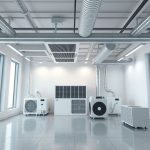
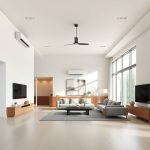
Constructing a new home, especially for projects like display homes or student accommodation developments in areas such as Pearcedale, requires careful consideration of energy efficiency. A well-designed HVAC (Heating, Ventilation, and Air Conditioning) system is paramount, impacting not only occupant comfort but also long-term running costs and compliance with green building standards like Queensland’s Star rating system. This comprehensive guide explores the critical aspects of HVAC system sizing and design for new Australian homes, ensuring your project meets both energy efficiency goals and regulatory requirements.
- HVAC System Sizing: Load Calculations are Key
- Choosing the Right HVAC System Type for Your Project
- Meeting Queensland’s Star Rating Requirements
- Designing for Energy Efficiency in Student Accommodation in Pearcedale
- Display Homes and showcasing Energy-Efficient HVAC
- The Importance of Expert Consultation
- Key Information
- FAQs
HVAC System Sizing: Load Calculations are Key
Accurate sizing of your HVAC system is crucial. Undersized systems struggle to maintain comfortable temperatures, leading to increased energy consumption and occupant discomfort. Conversely, oversized systems cycle on and off frequently, reducing efficiency and lifespan. Professional load calculations, considering factors such as building orientation, insulation levels, window size, and climate zone, are essential. In Pearcedale, for instance, the specific climatic conditions need to be factored in to determine the appropriate heating and cooling capacity required. This detailed analysis ensures the system is precisely sized to meet the building’s thermal demands, optimising energy performance and minimising running costs. For large projects like student accommodation, this precision is even more vital to ensure consistent comfort across multiple units.
Choosing the Right HVAC System Type for Your Project
Several HVAC system types are available in Australia, each with its own advantages and disadvantages. Ducted systems offer even temperature distribution throughout the home, ideal for larger properties and multi-unit developments like student accommodation. However, they require more extensive installation. Split systems, offering individual room control, are a cost-effective option for smaller homes or individual units. Heat pumps are an increasingly popular choice, offering both heating and cooling capabilities with high energy efficiency. The best system type depends on factors like budget, building design, and specific climate conditions. For display homes, showcasing energy-efficient options like heat pumps can be a significant selling point.
Meeting Queensland’s Star Rating Requirements
Queensland’s Building Code of Australia (BCA) incorporates the Nationwide House Energy Rating Scheme (NatHERS), which uses a Star rating system to assess a building’s energy efficiency. Achieving a high Star rating is crucial for meeting green building certification requirements. Proper HVAC system design plays a significant role in achieving a high rating. Factors like system efficiency (measured by SEER and EER ratings), ductwork design to minimise air leakage, and integration with other energy-efficient building features all contribute to a better Star rating. Understanding these requirements is essential for projects in Queensland and other states with similar energy efficiency regulations.
Designing for Energy Efficiency in Student Accommodation in Pearcedale
Student accommodation projects in Pearcedale, or any location, present unique challenges and opportunities for energy-efficient HVAC design. The density of occupants and the potential for varying occupancy patterns require careful consideration. Zone control systems, allowing for independent temperature regulation in different areas, can significantly improve energy efficiency. Smart thermostats with occupancy sensors can further optimise energy use by automatically adjusting temperatures based on occupancy. Prioritising energy-efficient HVAC systems is crucial for reducing operating costs and providing a comfortable environment for students.
Display Homes and showcasing Energy-Efficient HVAC
Display homes are a prime opportunity to showcase energy-efficient building practices, including HVAC systems. Choosing a high-efficiency system and integrating it with other sustainable features like solar power and rainwater harvesting can create a compelling demonstration of sustainable living. Clearly communicating the energy savings and environmental benefits of the chosen HVAC system to potential buyers is essential. Highlighting the system’s features, such as quiet operation, precise temperature control, and low running costs, can significantly enhance the appeal of the display home.
The Importance of Expert Consultation
Designing and installing an efficient HVAC system is a complex process. Engaging a qualified HVAC professional is crucial to ensure the system is correctly sized, appropriately selected, and installed to meet the building’s specific needs and comply with relevant regulations. An experienced consultant can guide you through the various options, provide accurate load calculations, and ensure the system is optimised for energy efficiency and long-term performance. This expertise is particularly valuable for complex projects like student accommodation or display homes.
Key Information
| Feature | Description | Importance |
| —————– | ————————————————————————– | ——————————————————————————– |
|---|---|---|
| System Type | Selection of ducted, split, or heat pump systems based on building needs. | Impacts energy efficiency, cost, and comfort levels. |
| Star Rating | Measures the building’s energy efficiency, influencing compliance. | Crucial for meeting green building certification requirements. |
| Load Calculation | Determines the heating and cooling capacity required for the building. | Ensures the system is correctly sized for optimal performance and energy efficiency. | | System Type | Selection of ducted, split, or heat pump systems based on building needs. | Impacts energy efficiency, cost, and comfort levels. | | Star Rating | Measures the building’s energy efficiency, influencing compliance. | Crucial for meeting green building certification requirements. |
FAQs
Q: What are SEER and EER ratings?
A: SEER (Seasonal Energy Efficiency Ratio) and EER (Energy Efficiency Ratio) are measures of an air conditioner’s energy efficiency. A higher SEER/EER rating indicates a more energy-efficient unit.
Q: How often should my HVAC system be serviced?
A: Regular servicing, typically once or twice a year, is crucial for maintaining optimal performance and extending the system’s lifespan.
Q: What are the benefits of a heat pump system?
A: Heat pumps offer both heating and cooling capabilities with high energy efficiency, making them a cost-effective and environmentally friendly option.
Q: Can I install the HVAC system myself?
A: No, it’s strongly recommended to engage a licensed HVAC professional for installation to ensure safety and compliance with regulations. Improper installation can void warranties and compromise efficiency.
Q: How does building orientation affect HVAC system design?
A: Building orientation significantly impacts solar heat gain and heat loss. Proper design considers this to minimise energy consumption.
Investing in a well-designed and properly sized HVAC system is a critical aspect of building a new home in Australia. By considering factors such as load calculations, system type selection, and compliance with energy efficiency standards like Queensland’s Star rating system, you can ensure a comfortable, energy-efficient, and sustainable living environment. This is particularly important for projects such as student accommodation and display homes.
Contact a qualified HVAC professional today to discuss your new home’s HVAC system requirements and ensure you meet all relevant energy efficiency standards. Let’s build a sustainable future, one home at a time.
These articles are drafted with AI assistance and should be considered general information not professional advice or information Learn More