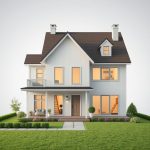
In the ever-evolving landscape of the Australian housing market, particularly in Yokine’s thriving residential subdivisions, the importance of energy efficiency has never been greater. By focusing on proper building orientation and adhering to energy requirements, architects and building designers can create sustainable, cost-effective homes that provide long-term benefits for both occupants and the environment.
- Section 1: Understanding Building Orientation
- Section 2: Navigating Energy Compliance Requirements
- Section 3: Utilising Passive Design Techniques
- Section 4: Harnessing Renewable Energy Sources
- Section 5: Future-Proofing Energy Efficiency
- Key Information
- FAQs
- Q: What is the primary benefit of proper building orientation in energy efficiency?
- Q: What are some examples of passive design techniques for energy efficiency?
- Q: How can renewable energy sources contribute to energy efficiency in homes?
- Q: What is the Nationwide House Energy Rating Scheme (NatHERS)?
- Q: How can smart home technology help with energy efficiency?
Section 1: Understanding Building Orientation
Understanding building orientation is crucial in optimising a home’s energy efficiency. By strategically positioning a home on its site, architects can capitalise on natural sunlight, minimise heat gain during summer, and reduce energy consumption.
Sub-section 1.1: The Impact of Orientation on Energy Efficiency
Proper orientation can significantly impact a home’s energy usage, particularly in heating and cooling costs. North-facing homes in the southern hemisphere receive maximum sunlight during winter, allowing natural light to warm the interior and reducing the need for artificial heating.
Sub-section 1.2: Maximising Solar Exposure for Heating & Lighting
To maximise solar exposure for heating and lighting, it’s essential to position the main living areas, including living rooms, kitchens, and dining areas, on the north side of the home. This ensures that these spaces receive ample natural light and warmth during the colder months.
Section 2: Navigating Energy Compliance Requirements
Ensuring that designs meet energy compliance requirements is vital in achieving energy efficiency. By adhering to these regulations, architects and building designers can create homes that are not only sustainable but also economical.
Sub-section 2.1: Energy Efficiency Standards & Ratings
Energy efficiency standards and ratings, such as the Nationwide House Energy Rating Scheme (NatHERS), provide a benchmark for assessing a home’s energy performance. These ratings are based on a variety of factors, including building design, construction materials, and orientation.
Sub-section 2.2: Meeting Local Council Energy Requirements
Local councils may also have specific energy requirements for new residential subdivisions. It’s essential to research and understand these requirements to ensure compliance and avoid potential delays or rejections in the approval process.
Section 3: Utilising Passive Design Techniques
Passive design techniques can help architects create energy-efficient homes that rely less on artificial heating and cooling systems. These techniques include shading, insulation, and thermal mass.
Sub-section 3.1: Shading & Overhangs
Shading and overhangs can help minimise heat gain during summer by blocking direct sunlight from entering the home during the hottest part of the day.
Sub-section 3.2: Insulation & Thermal Mass
Insulation and thermal mass can help maintain a consistent indoor temperature by retaining heat during winter and reducing heat gain during summer.
Section 4: Harnessing Renewable Energy Sources
In addition to energy efficiency measures, harnessing renewable energy sources can further reduce a home’s carbon footprint and energy costs.
Sub-section 4.1: Solar Panels & Battery Storage
Solar panels and battery storage systems can generate electricity, reducing reliance on the grid and providing a backup power source during outages.
Sub-section 4.2: Efficient Appliances & Lighting
Energy-efficient appliances and lighting can also help reduce energy consumption, contributing to a home’s overall energy efficiency.
Section 5: Future-Proofing Energy Efficiency
By future-proofing energy efficiency in new residential subdivisions, architects and building designers can create homes that not only meet current energy requirements but also adapt to future challenges and opportunities.
Sub-section 5.1: Smart Home Technology
Integrating smart home technology can help homeowners monitor and manage their energy consumption, making it easier to maintain energy efficiency over time.
Sub-section 5.2: Adapting to Changing Energy Landscapes
As the energy landscape evolves, it’s essential to remain flexible and adaptable, incorporating emerging technologies and best practices into future designs.
Proper building orientation, compliance with energy requirements, and the strategic use of passive design techniques and renewable energy sources are vital components in creating energy-efficient homes in Yokine’s new residential subdivisions. By focusing on these elements, architects and building designers can help shape a more sustainable future for Australian housing.
Join us in our mission to create a more energy-efficient Australia. Discover how you can optimise your designs for a sustainable future in Yokine’s residential subdivisions.
Key Information
| Factor | Benefit |
| ————— | ———————————————————————– |
|---|---|
| Energy Compliance | Regulatory compliance, sustainable design, economical homes |
| Passive Design Techniques | Minimised heat gain and loss, improved indoor temperature consistency |
| Renewable Energy Sources | Reduced carbon footprint, lower energy costs, backup power solutions |
| Building Orientation | Reduced heating and cooling costs, improved comfort | | Energy Compliance | Regulatory compliance, sustainable design, economical homes | | Passive Design Techniques | Minimised heat gain and loss, improved indoor temperature consistency | | Renewable Energy Sources | Reduced carbon footprint, lower energy costs, backup power solutions |
FAQs
Q: What is the primary benefit of proper building orientation in energy efficiency?
A: Proper building orientation can significantly reduce heating and cooling costs by capitalising on natural sunlight and minimising heat gain during summer.
Q: What are some examples of passive design techniques for energy efficiency?
A: Examples of passive design techniques include shading, insulation, and thermal mass.
Q: How can renewable energy sources contribute to energy efficiency in homes?
A: Renewable energy sources, such as solar panels and battery storage, can generate electricity, reducing reliance on the grid and providing a backup power source during outages.
Q: What is the Nationwide House Energy Rating Scheme (NatHERS)?
A: NatHERS is a benchmark for assessing a home’s energy performance, based on factors such as building design, construction materials, and orientation.
Q: How can smart home technology help with energy efficiency?
A: Smart home technology can help homeowners monitor and manage their energy consumption, making it easier to maintain energy efficiency over time.
These articles are drafted with AI assistance and should be considered general information not professional advice or information Learn More
Related posts:

Boosting Energy Efficiency and Building Longevity: NCC Compliance for Energy House in Duplex and Tri...

Harnessing Solar Energy in Nakara: A Guide to Building Orientation and Sustainable Design for Energy...