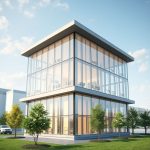
In today’s eco-conscious world, retirement village operators in Hackett are increasingly focusing on energy efficiency to reduce costs and provide a more comfortable living environment for their residents. One essential aspect of energy efficiency is proper insulation, building orientation, and HVAC (Heating, Ventilation, and Air Conditioning) optimisation. In this article, we delve into these topics, providing valuable insights and practical solutions tailored to the Australian context.
Proper Building Orientation for Energy Efficiency
A well-oriented building can significantly reduce energy consumption, particularly for heating and cooling. In Hackett, where winters can be chilly and summers are often hot, the following principles should be considered:
- 1. North-facing windows: Maximise the amount of north-facing glazing to capture solar heat during winter while minimising heat gain during summer.
- 2. Shading: Strategically place trees, outdoor blinds, or awnings to provide shade during summer and allow sunlight in during winter.
- 3. Wind protection: Design buildings to block cold winds during winter while allowing breezes during summer to improve natural ventilation.
Insulation for Energy Efficiency
Effective insulation is crucial for maintaining a comfortable indoor temperature and minimising energy usage. In Hackett, the following insulation considerations are vital:
- 1. Roof insulation: Properly insulate the roof to reduce heat loss during winter and prevent heat gain during summer.
- 2. Wall insulation: Consider cavity wall insulation or external wall insulation for improved energy efficiency.
- 3. Floor insulation: Insulate floors, especially those above unheated spaces, to prevent heat loss.
HVAC Optimisation for Energy Efficiency
HVAC systems play a significant role in energy consumption in retirement villages. Optimising these systems can lead to substantial energy savings:
- 1. Energy-efficient appliances: Choose energy-efficient air conditioners, heaters, and hot water systems.
- 2. Zoning: Divide the building into zones to control temperature independently in different areas.
- 3. Smart control: Implement smart thermostats for automatic temperature adjustment based on occupancy and weather conditions.
Energy Audits and Insulation Report
Conducting regular energy audits and insulation reports can help identify areas for improvement and ensure that your retirement village properties are as energy-efficient as possible:
- 1. Energy audit: Assess the energy usage of your properties and identify areas for improvement.
- 2. Insulation report: Evaluate the insulation levels of your properties and recommend appropriate improvements.
Designing Energy-Efficient Retirement Villages
Incorporating energy efficiency into the design of retirement villages can lead to long-term savings and a more comfortable living environment:
- 1. Passive solar design: Design buildings to harness sunlight and minimise heat loss.
- 2. Natural ventilation: Incorporate features such as louvres, skylights, and operable windows for improved airflow.
- 3. Energy-efficient materials: Use energy-efficient building materials, such as insulating concrete forms (ICFs) and solar-reflective roofing.
FAQs
Q: What is the R-value, and why is it important for insulation?
A: The R-value measures a material’s resistance to heat flow. A higher R-value indicates better insulation, meaning less heat will be lost or gained through the material.
Q: What is a solar hot water system, and how does it contribute to energy efficiency?
A: A solar hot water system uses the sun’s energy to heat water. This system reduces the demand for electricity or gas to heat water, resulting in energy savings.
Q: What is a smart thermostat, and how does it contribute to energy efficiency?
A: A smart thermostat is a programmable thermostat that can be controlled remotely. It automatically adjusts the temperature based on occupancy and weather conditions, leading to energy savings.
Key Information
| Aspect | Recommendation |
| —————— | ——————————————————————————————————————————————————————————————————————————————————————————————————————————————————————————————————————————————————————————————————————————————————————————————————————————————————————————- |
|---|---|
| Insulation | Roof, wall, floor insulation |
| HVAC Optimisation | Energy-efficient appliances, zoning, smart control |
| Building Orientation | North-facing windows, shading, wind protection | | Insulation | Roof, wall, floor insulation | | HVAC Optimisation | Energy-efficient appliances, zoning, smart control |
By incorporating proper building orientation, insulation, and HVAC optimisation into the design and management of retirement village properties, operators in Hackett can achieve significant energy savings and create a more comfortable living environment for their residents. Regular energy audits and insulation reports can help identify opportunities for improvement and ensure that properties remain energy-efficient over time.
Engage an energy efficiency specialist to conduct an audit and insulation report for your retirement village properties in Hackett. Take the first step towards creating a more sustainable and comfortable living environment for your residents today.
These articles are drafted with AI assistance and should be considered general information not professional advice or information Learn More