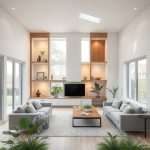
The demand for sustainable and energy-efficient homes in Australia, particularly in regional areas like Tocumwal, is on the rise. As green building specialists, it is our responsibility to prioritise energy efficiency without compromising affordability. In this article, we will focus on optimising window placement and glazing specifications, while seamlessly integrating renewable energy sources.
- Section 1: Understanding the Importance of Energy Efficiency in Affordable Housing Developments
- Section 2: The Role of Windows in Energy Efficiency
- Section 3: Optimising Window Placement
- Section 4: Glazing Specifications
- Section 5: Integrating Renewable Energy
- Section 6: Case Study: The Energy House in Tocumwal
- FAQs
- Key Information
Section 1: Understanding the Importance of Energy Efficiency in Affordable Housing Developments
Energy efficiency is crucial in reducing greenhouse gas emissions, minimising energy bills, and creating a comfortable living environment. By focusing on energy efficiency in affordable housing developments, we can ensure that sustainable living is accessible to everyone.
Section 2: The Role of Windows in Energy Efficiency
Windows play a significant role in heating and cooling losses in residential buildings. Proper window placement and suitable glazing specifications can significantly reduce these losses, leading to improved energy efficiency.
Section 3: Optimising Window Placement
Optimising window placement involves strategically positioning windows to utilise natural light and minimise heat gains during summer and losses during winter. This can be achieved through the following strategies:
- – North-facing windows: North-facing windows allow maximum sunlight during winter months while minimising heat gains in summer.
- – Insulation and shading: Insulate windows with double or triple glazing and install external shading devices such as louvres or awnings to further reduce heat gains.
Section 4: Glazing Specifications
Choosing the right glazing specifications is vital for energy efficiency. Consider the following factors when selecting glazing:
- – Solar Heat Gain Coefficient (SHGC): A lower SHGC indicates less solar heat transmitted through the window, reducing cooling loads during summer.
- – U-value: A lower U-value indicates better insulation, reducing heat loss during winter.
- – Low-E coatings: Low-emissivity (Low-E) coatings reflect heat back into the room during winter and keep it out during summer, improving energy efficiency.
Section 5: Integrating Renewable Energy
Integrating renewable energy sources such as solar panels and heat pumps can further improve the energy efficiency of affordable housing developments. These systems can reduce reliance on grid electricity, lowering energy bills and carbon footprint.
Section 6: Case Study: The Energy House in Tocumwal
The Energy House in Tocumwal is a prime example of how optimising window placement, glazing specifications, and integrating renewable energy can lead to significant energy savings. This demonstration home showcases practical solutions for energy-efficient, affordable housing in regional Australia.
FAQs
Q: What is the difference between SHGC and U-value?
A: SHGC measures the solar heat gain through a window, while U-value indicates the rate of heat loss through a window.
Q: Are triple-glazed windows always more energy-efficient?
A: Not necessarily. The energy efficiency of glazing depends on various factors, including the type of glazing, gas fill, and coatings.
Q: Can I install solar panels on a north-facing roof?
A: Yes, north-facing roofs are ideal for solar panels as they receive maximum sunlight during the peak production hours in Australia.
Key Information
| Factor | Description |
| ————– | ———————————————————————————————————— |
|---|---|
| Double glazing | Provides better insulation compared to single glazing, reducing heat loss and improving energy efficiency. |
| Low-E coatings | Reflects heat back into the room during winter and keeps it out during summer, improving energy efficiency. |
| North-facing| Windows facing north allow maximum sunlight during winter and minimise heat gains in summer. | | Double glazing| Provides better insulation compared to single glazing, reducing heat loss and improving energy efficiency. | | Low-E coatings| Reflects heat back into the room during winter and keeps it out during summer, improving energy efficiency. |
By optimising window placement, glazing specifications, and integrating renewable energy sources, we can create energy-efficient, affordable housing developments that contribute to a sustainable future for Tocumwal and Australia.
Join the movement towards sustainable living by implementing these strategies in your next affordable housing development project. Contact us today to learn more about energy-efficient building solutions.
These articles are drafted with AI assistance and should be considered general information not professional advice or information Learn More