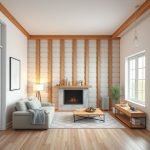
In the dynamic and environmentally-conscious Australian building industry, energy efficiency has become a top priority for builders in Quakers Hill. With increasing demand for granny flats and secondary dwellings, it’s essential to implement energy-efficient designs to create comfortable living spaces while minimising running costs. This article explores whole-of-home energy efficiency design for granny flats and secondary dwellings, focusing on passive design principles and unlocking government rebates and incentives for builders in Quakers Hill.
- Section 1: The Importance of Energy Efficiency for Granny Flats and Secondary Dwellings
- Section 2: Passive Design Principles for Energy Efficiency
- Section 3: Government Rebates and Incentives for Energy Efficiency
- Section 4: Case Study: Energy-Efficient Granny Flat in Quakers Hill
- Section 5: Best Practices for Energy-Efficient Granny Flats and Secondary Dwellings
- FAQs
- Key Information
Section 1: The Importance of Energy Efficiency for Granny Flats and Secondary Dwellings
Energy efficiency is crucial for reducing greenhouse gas emissions, lowering energy bills, and improving the overall sustainability of granny flats and secondary dwellings. By focusing on energy efficiency during the design and construction phases, builders can create comfortable, affordable living spaces that meet the needs of modern homeowners.
Section 2: Passive Design Principles for Energy Efficiency
Passive design is an approach that focuses on minimising the need for mechanical heating, cooling, and lighting systems. By incorporating passive design principles, builders can create energy-efficient homes that deliver year-round comfort while reducing energy consumption and costs. Key passive design elements include:
- – Natural Ventilation: Designing homes to maximise airflow and cross-ventilation, reducing the need for air conditioning.
- – Thermal Mass: Using materials with high thermal mass to absorb and store heat during the day, releasing it at night to maintain a comfortable indoor temperature.
- – Insulation: Properly insulating the roof, walls, and floors to minimise heat transfer and maintain a consistent indoor temperature.
- – Shading and Solar Control: Utilising shading devices, overhangs, and strategic window placement to control solar gain and reduce heat transfer.
Section 3: Government Rebates and Incentives for Energy Efficiency
The Australian government offers various rebates and incentives for builders who incorporate energy-efficient designs in their projects. These initiatives aim to encourage the adoption of sustainable building practices and reduce greenhouse gas emissions. Some key government rebates and incentives include:
- – Solar Homes Rebate: Offers rebates for solar panel installations to reduce electricity bills and promote renewable energy.
- – Energy Efficient Homes Package: Provides rebates for energy-efficient appliances, insulation, and hot water systems to improve the overall energy efficiency of the home.
- – Victorian Residential Efficiency Scheme (VRES): Mandates energy efficiency improvements in new homes and renovations, allowing builders to earn points for compliance and trade them for cash.
Section 4: Case Study: Energy-Efficient Granny Flat in Quakers Hill
A successful example of an energy-efficient granny flat in Quakers Hill is the project completed by GreenSmart Homes. The design incorporated passive design principles, resulting in a comfortable, low-energy living space with reduced running costs. Key features include:
- – Insulated walls and roof
- – Cross-ventilation and natural light
- – Energy-efficient appliances
- – Solar hot water system
Section 5: Best Practices for Energy-Efficient Granny Flats and Secondary Dwellings
To ensure the successful implementation of energy-efficient designs in granny flats and secondary dwellings, follow these best practices:
- 1. Consult with energy rating assessors to understand the specific requirements for energy-efficient homes in Quakers Hill.
- 2. Work with experienced builders who specialise in energy-efficient building practices.
- 3. Choose energy-efficient materials and appliances.
- 4. Prioritise passive design principles to minimise the reliance on mechanical systems.
FAQs
Q: What is the Solar Homes Rebate?
A: The Solar Homes Rebate is a Victorian government initiative that offers rebates for solar panel installations to reduce electricity bills and promote renewable energy.
Q: What is the Energy Efficient Homes Package?
A: The Energy Efficient Homes Package provides rebates for energy-efficient appliances, insulation, and hot water systems to improve the overall energy efficiency of the home.
Q: What is the Victorian Residential Efficiency Scheme (VRES)?
A: The Victorian Residential Efficiency Scheme (VRES) mandates energy efficiency improvements in new homes and renovations, allowing builders to earn points for compliance and trade them for cash.
Key Information
| Incentive | Description | Eligibility |
| ———– | ————- | ————- |
|---|---|---|
| Energy Efficient Homes Package | Rebates for energy-efficient appliances, insulation, and hot water systems | Homeowners building or renovating in Victoria |
| Victorian Residential Efficiency Scheme (VRES) | Mandates energy efficiency improvements in new homes and renovations | Builders in Victoria |
| Solar Homes Rebate | Rebates for solar panel installations | Homeowners in Victoria | | Energy Efficient Homes Package | Rebates for energy-efficient appliances, insulation, and hot water systems | Homeowners building or renovating in Victoria | | Victorian Residential Efficiency Scheme (VRES) | Mandates energy efficiency improvements in new homes and renovations | Builders in Victoria |
Embracing whole-of-home energy efficiency design for granny flats and secondary dwellings is essential for builders in Quakers Hill who want to stay competitive in the rapidly evolving Australian building industry. By incorporating passive design principles and leveraging government rebates and incentives, builders can create comfortable, affordable living spaces that meet the needs of modern homeowners while reducing energy consumption and costs.
Are you ready to elevate your building projects in Quakers Hill with energy-efficient designs? Contact us today to learn more about our energy-efficient building solutions and take advantage of government rebates and incentives.
These articles are drafted with AI assistance and should be considered general information not professional advice or information Learn More
Related posts:

Maximising Energy Efficiency in Thornlie: A Guide for Sustainable Eco-Homes and Whole House Assessme...
Whole of Home Energy Efficiency Design for Waterfront Properties in Norwood: A Guide for Improving I...