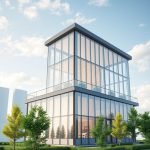
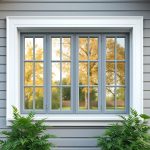
Welcome to our comprehensive guide for building contractors in Glen Iris looking to optimise energy efficiency in apartment buildings. By focusing on insulation, heating, and cooling systems, we will help you design and build energy-efficient homes that not only reduce energy usage but also minimise carbon footprint and save on heating and cooling costs.
- Section 1: Energy Efficiency Insulation Report
- Section 2: Designing Energy-Efficient Homes
- Section 3: Insulation Materials and Installation
- Section 4: Optimising Heating and Cooling System Performance
- Section 5: Carbon Footprint Assessment
- Section 6: Measuring the Success of Energy Efficiency Measures
- FAQs
- Key Information
- Conclusion:
- Call to Action:
Section 1: Energy Efficiency Insulation Report
Conducting a thorough Energy Efficiency Insulation Report is the first step towards designing an energy-efficient home. This report identifies areas of heat loss, recommends suitable insulation materials, and provides an estimated payback period for the insulation investment.
Section 2: Designing Energy-Efficient Homes
Designing energy-efficient homes involves choosing the right architectural features, such as orientation, window placement, and shading devices. These elements can significantly impact the home’s energy usage by maximising natural light and minimising overheating in summer and cold drafts in winter.
Section 3: Insulation Materials and Installation
Choosing the correct insulation material is crucial for an energy-efficient home. Common insulation materials include batts, blanket rolls, rigid boards, and spray foam. Professional installation is recommended to ensure optimal performance and longevity.
Section 4: Optimising Heating and Cooling System Performance
Optimising heating and cooling system performance involves selecting energy-efficient appliances, such as reverse-cycle air conditioners, and properly sizing the system to meet the home’s needs. Regular maintenance and servicing can also help maintain optimal performance and longevity.
Section 5: Carbon Footprint Assessment
A carbon footprint assessment helps measure the greenhouse gas emissions associated with the home’s construction, operation, and demolition. This information can be used to identify areas for improvement and to develop strategies for reducing the home’s carbon footprint.
Section 6: Measuring the Success of Energy Efficiency Measures
Measuring the success of energy efficiency measures is essential to ensure that the investment is delivering the expected results. This can be achieved through regular energy audits, monitoring energy usage, and comparing the home’s energy consumption with similar homes.
FAQs
Q: What is an Energy Efficiency Insulation Report?
A: An Energy Efficiency Insulation Report is a comprehensive analysis of a building’s insulation needs, identifying areas of heat loss, recommending suitable insulation materials, and providing an estimated payback period for the insulation investment.
Q: How can I reduce a home’s carbon footprint?
A: Reducing a home’s carbon footprint can be achieved through various means, including energy-efficient appliances, proper insulation, and renewable energy sources such as solar panels.
Q: What is a carbon footprint assessment?
A: A carbon footprint assessment measures the greenhouse gas emissions associated with a building’s construction, operation, and demolition. This information can be used to identify areas for improvement and to develop strategies for reducing the building’s carbon footprint.
Q: What are some common insulation materials?
A: Common insulation materials include batts, blanket rolls, rigid boards, and spray foam. The choice of insulation material depends on various factors, including the building’s design, location, and climate.
Q: How can I save on heating and cooling costs?
A: Savings on heating and cooling costs can be achieved through energy-efficient appliances, proper insulation, and optimised heating and cooling system performance. Regular maintenance and servicing can also help maintain optimal performance and longevity.
Key Information
| Section | Recommended Action |
| ——————- | ————————————————————————————————————————————————————————————————————————————————————————————- |
|---|---|
| Insulation | Choose the correct insulation material and ensure professional installation |
| Carbon Footprint | Perform a carbon footprint assessment and develop strategies for reducing the home’s carbon footprint |
| Measuring Success | Regularly monitor energy usage and compare with similar homes to measure the success of energy efficiency measures |
| Energy Efficiency | Conduct an Energy Efficiency Insulation Report, design energy-efficient homes, and optimise heating and cooling system performance | | Insulation | Choose the correct insulation material and ensure professional installation | | Carbon Footprint | Perform a carbon footprint assessment and develop strategies for reducing the home’s carbon footprint | | Measuring Success | Regularly monitor energy usage and compare with similar homes to measure the success of energy efficiency measures |
Conclusion:
Optimising energy efficiency in apartment buildings is crucial for reducing energy usage, minimising carbon footprint, and saving on heating and cooling costs. By focusing on insulation, heating, and cooling systems, and implementing energy-efficient design principles, building contractors in Glen Iris can contribute to a more sustainable built environment.
Call to Action:
Contact us today to learn more about our energy-efficient insulation solutions and how we can help you design and build energy-efficient homes in Glen Iris.
Learn how to design and build energy-efficient homes in Glen Iris by optimising insulation and heating and cooling systems. This comprehensive guide will provide you with the tools to reduce energy usage, minimise carbon footprint, and save on heating and cooling costs for apartment buildings.
These articles are drafted with AI assistance and should be considered general information not professional advice or information Learn More