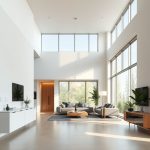
The demand for energy-efficient homes is on the rise, and modular and prefabricated construction offers an excellent solution. By prioritising energy efficiency in the design process, home builders in Wauchope can create comfortable, cost-effective, and environmentally sustainable homes for their clients. This article provides a detailed guide on designing energy-efficient homes using property energy ratings and seasonal performance optimisation.
Section 1: Understanding Property Energy Ratings
Property energy ratings, also known as NatHERS (Nationwide House Energy Rating Scheme) in Australia, provide a standardised method for assessing a home’s energy efficiency. Ratings range from 0 (very poor) to 10 (excellent), with a higher rating indicating better energy efficiency. A well-designed energy-efficient home can save homeowners thousands of dollars in energy bills over its lifetime.
Section 2: Designing for Optimal Seasonal Performance
Sub-section 2.1: Insulation
Insulation plays a crucial role in maintaining a comfortable indoor temperature. Effective insulation in the ceiling, walls, and floors is essential for energy efficiency.
Sub-section 2.2: Shading and Ventilation
Proper shading and ventilation can significantly reduce cooling loads in summer and heating loads in winter. Use a combination of passive design elements, such as overhangs, eaves, and louvres, to control sunlight and airflow.
Section 3: Mechanical Systems for Energy Efficiency
Sub-section 3.1: Heating and Cooling Systems
Choose energy-efficient heating and cooling systems, such as heat pumps, to reduce energy consumption. Incorporate zoning and smart thermostats to further optimise performance.
Sub-section 3.2: Solar Panels and Lighting
Consider installing solar panels to generate renewable energy for your home. LED lighting is more energy-efficient and longer-lasting than traditional lighting options.
Section 4: Energy Efficient Appliances and Fixtures
Incorporate energy-efficient appliances and fixtures, such as energy-star-rated washing machines, dryers, and refrigerators. Low-flow showerheads and dual-flush toilets can also help reduce water consumption.
Section 5: Monitoring and Adjusting Energy Usage
Install smart meters and energy monitoring systems to track energy usage and identify opportunities for further optimisation. Encourage homeowners to adopt energy-saving practices, such as turning off lights and appliances when not in use.
FAQs
Q: What is the difference between modular and prefabricated homes?
A: Modular homes are constructed in sections off-site and then assembled on-site, while prefabricated homes are built as a single unit and transported to the building site.
Q: How does energy efficiency affect a home’s value?
A: Energy-efficient homes not only save homeowners money on energy bills but also appeal to a wider pool of buyers, potentially increasing the home’s resale value.
Q: Can energy-efficient homes be customised to suit individual needs?
A: Yes, energy-efficient homes can be tailored to meet the specific needs and preferences of the homeowners.
Key Information
| Category | Description |
| ————- | —————————————————————————————————– |
|---|---|
| Insulation | Proper insulation helps maintain a comfortable indoor temperature and reduce energy consumption |
| Shading | Controlling sunlight with shading elements can reduce cooling loads in summer |
| Ventilation | Proper ventilation helps remove heat and moisture from the home, improving comfort and energy efficiency |
| Energy Rating | The NatHERS star rating indicates a home’s energy efficiency | | Insulation | Proper insulation helps maintain a comfortable indoor temperature and reduce energy consumption | | Shading | Controlling sunlight with shading elements can reduce cooling loads in summer | | Ventilation | Proper ventilation helps remove heat and moisture from the home, improving comfort and energy efficiency |
By prioritising energy efficiency in the design process, modular and prefabricated home builders in Wauchope can create comfortable, cost-effective, and environmentally sustainable homes for their clients. Implementing energy-efficient design strategies, such as optimising mechanical systems for seasonal performance and using property energy ratings, will help ensure the success of your next project.
Start designing your energy-efficient modular or prefabricated home today. Contact us to learn more about energy-efficient design and how we can help you create a comfortable, cost-effective, and sustainable home.
These articles are drafted with AI assistance and should be considered general information not professional advice or information Learn More