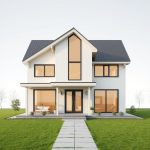
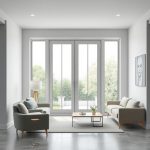
In a bid to create more sustainable living spaces, Australian builders are increasingly focusing on energy efficient house designs. One of the key factors in achieving this goal is optimising natural lighting and ventilation. By harnessing the power of the sun and fresh air, builders can create homes that are comfortable, cost-effective, and eco-friendly. This report offers a comprehensive guide to optimising natural lighting and ventilation in energy efficient house designs, focusing on practical tips and whole house assessments for builders in Milton.
- Section 1: Understanding the Importance of Natural Lighting
- Section 2: Strategies for Maximising Natural Lighting
- Section 3: The Role of Whole House Assessments
- Section 4: Strategies for Optimising Ventilation
- Section 5: The Role of Whole House Assessments in Ventilation
- Section 6: Case Studies from Milton Builders
- FAQs
- Q: How does natural lighting affect energy bills?
- Q: What are some common issues with natural lighting in energy efficient house designs?
- Q: How does ventilation affect air quality?
- Q: What are some common issues with ventilation in energy efficient house designs?
- Q: How can whole house assessments help with natural lighting and ventilation?
- Key Information
Section 1: Understanding the Importance of Natural Lighting
Natural lighting not only enhances the aesthetic appeal of a home, but also offers numerous practical benefits. It reduces the need for artificial lighting, lowering energy bills, and creates a healthier living environment by improving air quality and boosting mood.
Section 2: Strategies for Maximising Natural Lighting
There are several strategies for maximising natural lighting in energy efficient house designs. These include:
- – Orientating the house to take advantage of the sun’s path
- – Incorporating skylights and clerestory windows
- – Using light-coloured materials on exterior walls
- – Ensuring windows are properly sized and positioned
Section 3: The Role of Whole House Assessments
Whole house assessments are essential for optimising natural lighting in energy efficient house designs. These assessments help identify potential issues, such as overshadowing from neighbouring buildings or large trees, and suggest solutions to ensure maximum natural light penetration.
Section 4: Strategies for Optimising Ventilation
Proper ventilation is crucial for maintaining a comfortable temperature within a home, reducing the need for air conditioning, and improving air quality. Strategies for optimising ventilation include:
- – Incorporating louvres, vents, and skylights
- – Using cross-ventilation to take advantage of breezes
- – Installing energy-efficient fans and extractor fans
Section 5: The Role of Whole House Assessments in Ventilation
Whole house assessments can help identify potential issues with ventilation, such as poor airflow or inadequate insulation. They can also suggest solutions to ensure effective ventilation, such as improving window placement or installing energy-efficient fans.
Section 6: Case Studies from Milton Builders
To illustrate the practical application of these strategies, we’ve included case studies from Milton builders who have successfully optimised natural lighting and ventilation in their energy efficient house designs.
FAQs
Q: How does natural lighting affect energy bills?
A: By reducing the need for artificial lighting, natural lighting can significantly lower energy bills.
Q: What are some common issues with natural lighting in energy efficient house designs?
A: Common issues include overshadowing, improper window placement, and inadequate window size.
Q: How does ventilation affect air quality?
A: Proper ventilation helps remove stale air and replace it with fresh air, improving air quality.
Q: What are some common issues with ventilation in energy efficient house designs?
A: Common issues include poor airflow, inadequate insulation, and insufficient ventilation points.
Q: How can whole house assessments help with natural lighting and ventilation?
A: Whole house assessments can identify potential issues and suggest solutions to ensure maximum natural light penetration and effective ventilation.
Key Information
| Category | Description |
| — | — |
|---|---|
| Cost Savings | By reducing the need for artificial lighting and air conditioning, optimising natural lighting and ventilation can lead to substantial cost savings. |
| Health Benefits | Proper natural lighting and ventilation can improve air quality, boost mood, and create a healthier living environment. |
| Energy Efficiency | Optimising natural lighting and ventilation in energy efficient house designs can significantly reduce energy consumption. | | Cost Savings | By reducing the need for artificial lighting and air conditioning, optimising natural lighting and ventilation can lead to substantial cost savings. | | Health Benefits | Proper natural lighting and ventilation can improve air quality, boost mood, and create a healthier living environment. |
By optimising natural lighting and ventilation in energy efficient house designs, builders in Milton can create homes that are comfortable, cost-effective, and eco-friendly. Whole house assessments are essential for identifying potential issues and suggesting solutions to ensure maximum natural light penetration and effective ventilation.
If you’re a builder in Milton looking to create energy efficient homes, get in touch today to learn more about our whole house assessments and how we can help you optimise natural lighting and ventilation.
These articles are drafted with AI assistance and should be considered general information not professional advice or information Learn More