- Introduction
- Understanding Queensland’s Energy Efficiency Requirements
- Maximising Solar Orientation for Energy Efficiency
- Prioritising Home Improvements for Energy Savings
- Navigating the Development Approval Process in Sandgate
- Case Studies: Successful Off-Grid Developments in Sandgate
- Key Information
- FAQs
- Q: What specific energy standards must I meet for an off-grid home in Sandgate?
- Q: How can I ensure my solar orientation is optimal?
- Q: What documentation is needed for development approval?
- Q: What are the common reasons for development application rejection?
- Q: Where can I find assistance with navigating the approval process?
- Conclusion
- Call to Action
Introduction
The demand for sustainable and off-grid housing solutions is rapidly growing in Sandgate and across Queensland. For real estate developers venturing into this market, understanding and meeting the stringent energy requirements stipulated by Moreton Bay Regional Council for development approval is paramount. This article provides a comprehensive guide to navigating these requirements, focusing on optimising solar orientation and prioritising home improvements to achieve energy efficiency and secure approvals.
Understanding Queensland’s Energy Efficiency Requirements
Queensland has robust building codes designed to ensure new homes are energy-efficient. These codes, administered by the Queensland Building and Construction Commission (QBCC), outline minimum performance standards for thermal comfort, lighting, and ventilation. For off-grid developments in Sandgate, developers must demonstrate compliance with these standards through detailed energy modelling and documentation submitted as part of the development application. Failure to meet these requirements can result in delays or rejection of the application. Understanding the specific requirements for off-grid systems, including backup power solutions, is crucial.
Maximising Solar Orientation for Energy Efficiency
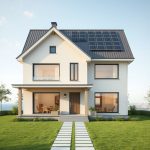
Optimal solar orientation is fundamental to the success of any off-grid housing project. In Sandgate, careful consideration of the sun’s path throughout the year is essential for maximising passive solar heating in winter and minimising solar heat gain in summer. This involves strategic placement of windows, shading devices, and solar photovoltaic (PV) panels. Using sophisticated solar modelling software can help developers optimise the design for maximum energy generation and minimise energy consumption. North-facing aspects generally provide the best solar gain, but careful consideration of surrounding buildings and trees is necessary to avoid shading.
Prioritising Home Improvements for Energy Savings
Beyond solar orientation, several home improvements can significantly enhance energy efficiency and contribute to meeting council requirements. These include:
- * **High-performance insulation:** Investing in high R-value insulation in walls, ceilings, and floors is crucial for reducing heat transfer.
- * **Double or triple-glazed windows:** These significantly reduce heat loss in winter and heat gain in summer.
- * **Energy-efficient appliances:** Selecting appliances with high energy ratings (using the Australian Energy Rating label) is essential.
- * **LED lighting:** LED lighting consumes significantly less energy than traditional incandescent or fluorescent lighting.
- * **Efficient ventilation systems:** Well-designed ventilation systems can improve indoor air quality and reduce the need for air conditioning.
Navigating the Development Approval Process in Sandgate
Securing development approval for an off-grid home in Sandgate requires a thorough and well-prepared application. This involves submitting detailed plans, energy modelling reports demonstrating compliance with Queensland building codes, and documentation outlining the proposed off-grid energy system. Engaging with Moreton Bay Regional Council early in the design process is advisable to clarify any specific requirements and address potential concerns. Working with experienced consultants specialising in sustainable building design and energy modelling can significantly streamline the approval process.
Case Studies: Successful Off-Grid Developments in Sandgate
Analysing successful off-grid housing projects in Sandgate can provide valuable insights and best practices. Studying these case studies can reveal effective strategies for solar orientation, energy efficiency measures, and navigating the council approval process. This research can inform the design and planning of future projects, reducing potential challenges and improving the likelihood of a smooth and successful development.
Key Information
| Feature | Description | Importance |
| —————– | ————————————————– | —————————————————– |
|---|---|---|
| Insulation | High R-value insulation crucial for thermal control | Reduces energy consumption for heating and cooling |
| Council Approval | Detailed application required for compliance | Essential for legal and safe project completion |
| Solar Orientation | North-facing aspects generally optimal | Maximises solar energy gain for off-grid systems | | Insulation | High R-value insulation crucial for thermal control | Reduces energy consumption for heating and cooling | | Council Approval | Detailed application required for compliance | Essential for legal and safe project completion |
FAQs
Q: What specific energy standards must I meet for an off-grid home in Sandgate?
A: You must meet the minimum energy efficiency requirements outlined in the Queensland Building and Construction Commission (QBCC) building codes. These standards cover various aspects, including thermal performance, lighting, and ventilation. Specific requirements for off-grid systems, including backup power solutions, will also need to be addressed.
Q: How can I ensure my solar orientation is optimal?
A: Use solar modelling software to determine the optimal placement of windows, shading devices, and solar PV panels. Prioritise north-facing aspects where possible, considering potential shading from surrounding structures or vegetation.
Q: What documentation is needed for development approval?
A: You will need detailed architectural plans, energy modelling reports demonstrating compliance with Queensland building codes, documentation outlining your off-grid energy system, and any other information requested by Moreton Bay Regional Council.
Q: What are the common reasons for development application rejection?
A: Common reasons include failure to meet energy efficiency standards, inadequate documentation, insufficient consideration of solar orientation, and lack of engagement with the council during the design phase.
Q: Where can I find assistance with navigating the approval process?
A: You can engage with experienced consultants specialising in sustainable building design and energy modelling. Moreton Bay Regional Council also provides information and resources to assist developers.
Conclusion
Developing successful off-grid homes in Sandgate requires a comprehensive understanding of Queensland’s energy efficiency requirements and a strategic approach to design and planning. By prioritising solar orientation, implementing energy-efficient home improvements, and engaging with Moreton Bay Regional Council early in the process, developers can significantly increase the likelihood of securing development approval and creating sustainable, energy-efficient homes.
Call to Action
Contact a qualified consultant specialising in sustainable building design and off-grid energy solutions to discuss your project and ensure compliance with all relevant regulations. Let’s build a sustainable future together in Sandgate!
These articles are drafted with AI assistance and should be considered general information not professional advice or information Learn More
Related posts:

**Maximising Energy Efficiency in Waterfront Properties: NCC Compliance, HVAC Optimisation, and Ener...
Optimising Energy Efficiency in First Home Buyer Properties: Leveraging Star Ratings for Natural Lig...