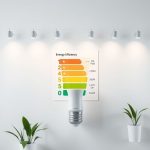
Constructing energy-efficient homes in Robinvale, with its extreme climate, demands meticulous attention to detail. Thermal bridging, the transfer of heat through conductive pathways in building elements, significantly impacts a home’s energy performance. This article provides architects and building designers in Robinvale with practical strategies to prevent thermal bridging and create truly sustainable, eco-friendly homes.
- Understanding Thermal Bridging in Australian Homes
- Selecting Appropriate Building Materials for Thermal Break
- Implementing Effective Construction Techniques
- The Importance of Energy Audits Before Home Purchase
- Designing for Passive Solar Design Principles in Robinvale
- Case Studies: Successful Thermal Bridging Mitigation in Robinvale
- FAQs
- Q: What are the long-term benefits of preventing thermal bridging?
- Q: How can I identify thermal bridging in an existing home?
- Q: Are there government incentives for building energy-efficient homes in Australia?
- Q: What is the cost of implementing thermal bridging prevention strategies?
- Q: How can I find a qualified energy assessor in Robinvale?
- Key Information
Understanding Thermal Bridging in Australian Homes
Thermal bridging occurs when materials with high thermal conductivity, such as steel or concrete, interrupt the insulation layer in a building’s envelope. This creates a pathway for heat to escape in winter and enter in summer, leading to increased energy consumption and discomfort. In the harsh climate of Robinvale, minimising thermal bridging is crucial for both occupant comfort and reduced energy bills. Common culprits include steel framing, concrete slabs, and poorly insulated window frames.
Selecting Appropriate Building Materials for Thermal Break
Choosing the right building materials is paramount in preventing thermal bridging. Consider using thermally broken aluminium window frames, which incorporate a layer of insulating material to reduce heat transfer. For framing, engineered timber offers superior insulation compared to steel. Insulating concrete forms (ICFs) provide excellent thermal performance and can significantly reduce thermal bridging compared to traditional concrete construction. Specifying high-performance insulation materials, such as polyurethane or mineral wool, in walls, roofs, and floors is also critical.
Implementing Effective Construction Techniques
Beyond material selection, proper construction techniques are vital. Continuous insulation is key; ensure insulation wraps around all structural elements to eliminate thermal bridges. Careful detailing around windows and doors is crucial; use appropriate sealants and ensure a tight fit to prevent air leakage. Pay close attention to junctions between different building elements, such as walls and roofs, to minimise thermal bridging at these critical points.
The Importance of Energy Audits Before Home Purchase
For prospective homebuyers, conducting a pre-purchase energy audit is highly recommended. An audit identifies areas of thermal bridging and other energy inefficiencies, allowing buyers to negotiate repairs or improvements with the seller. This proactive approach ensures the home meets energy efficiency standards and saves money on future energy bills. A qualified energy assessor can pinpoint thermal bridging locations and recommend effective solutions.
Designing for Passive Solar Design Principles in Robinvale
Robinvale’s climate necessitates incorporating passive solar design principles to minimise energy needs. Strategic window placement maximises solar gain in winter and minimises it in summer. Proper shading devices, such as overhangs or awnings, are essential to control solar heat gain. These design considerations, combined with effective thermal bridging prevention, create a comfortable and energy-efficient home.
Case Studies: Successful Thermal Bridging Mitigation in Robinvale
Several successful projects in Robinvale demonstrate effective thermal bridging mitigation. These projects showcase the use of innovative materials and construction techniques, resulting in significant reductions in energy consumption. Studying these case studies provides valuable insights for architects and builders seeking to improve their own designs and construction practices. Sharing successful strategies within the Robinvale building community is vital for collective improvement.
FAQs
Q: What are the long-term benefits of preventing thermal bridging?
A: Preventing thermal bridging leads to significant long-term energy savings, reduced carbon emissions, increased occupant comfort, and a higher property value.
Q: How can I identify thermal bridging in an existing home?
A: Thermal imaging cameras can detect temperature variations, highlighting areas of thermal bridging. An energy audit by a qualified professional is also recommended.
Q: Are there government incentives for building energy-efficient homes in Australia?
A: Yes, various state and federal government programs offer incentives for energy-efficient building practices. Check the relevant Australian government websites for current programs.
Q: What is the cost of implementing thermal bridging prevention strategies?
A: The initial cost may be slightly higher, but the long-term energy savings significantly outweigh the upfront investment.
Q: How can I find a qualified energy assessor in Robinvale?
A: Contact your local council or search online directories for accredited energy assessors in your area.
Key Information
| Material | Thermal Conductivity (W/mK) | Suitability for Thermal Break |
| —————– | —————————– | —————————– |
|---|---|---|
| Engineered Timber | 0.1-0.2 | Excellent |
| Polyurethane | 0.02-0.03 | Excellent |
| Steel | 50-60 | Poor | | Engineered Timber | 0.1-0.2 | Excellent | | Polyurethane | 0.02-0.03 | Excellent |
By carefully considering material selection, construction techniques, and passive solar design principles, architects and builders can effectively prevent thermal bridging in Robinvale homes. This leads to energy-efficient, comfortable, and sustainable dwellings that minimise environmental impact and reduce running costs for homeowners. Prioritising energy audits before purchase empowers consumers to make informed decisions and invest in truly energy-efficient properties.
Contact a qualified energy assessor or building consultant today to discuss thermal bridging prevention strategies for your next project in Robinvale. Let’s build a more sustainable future together.
These articles are drafted with AI assistance and should be considered general information not professional advice or information Learn More