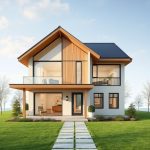
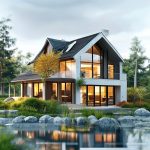
Choosing a new home is a significant investment, and in today’s climate, energy efficiency is paramount. This comprehensive guide is designed for Australian home buyers in Swansea specifically interested in passive house construction and energy-efficient properties. We’ll delve into the intricacies of Australia’s star rating system, its implications for your energy bills and long-term savings, and how it aligns with green building certifications and Building Code compliance. Whether you’re a first-home buyer or upgrading, understanding these factors is crucial for making an informed and sustainable choice.
Understanding Australian Star Ratings for Homes
Australia’s Nationwide House Energy Rating Scheme (NatHERS) assigns a star rating to homes based on their predicted energy performance. A higher star rating indicates better energy efficiency, meaning lower running costs and a smaller carbon footprint. Factors considered include insulation, glazing, orientation, and heating/cooling systems. In Swansea, where climate conditions influence energy consumption, understanding your home’s star rating is crucial. A higher rating, ideally 7 stars or above, signifies a highly energy-efficient home, potentially reducing your reliance on expensive heating and cooling.
Passive House Design and its Energy Efficiency Benefits
Passive house design represents a significant leap forward in energy efficiency. This approach prioritises building design and construction techniques to minimise energy consumption. Key features include superior insulation, airtight construction, high-performance windows, and mechanical ventilation with heat recovery. Homes built to passive house standards often achieve exceptionally high star ratings and significantly reduce energy bills compared to conventionally built homes. In Swansea’s specific climate, a passive house design can offer substantial comfort and cost savings.
Meeting Green Building Certification Requirements
Several green building certification schemes operate in Australia, such as Green Star and NABERS. These certifications recognise buildings that meet stringent environmental performance standards. While not mandatory in all cases, achieving a green building certification can enhance a property’s value and appeal to environmentally conscious buyers. Many passive houses naturally meet the criteria for these certifications, demonstrating a commitment to sustainability. Understanding these certifications and their requirements can help you identify truly energy-efficient homes in Swansea.
Building Code Compliance and Energy Requirements
The Australian Building Code (ABC) sets minimum energy efficiency standards for new homes. These standards are regularly updated to reflect advancements in building technology and energy efficiency. While meeting the minimum requirements ensures a certain level of energy performance, exceeding these standards, as seen in passive house design, leads to even greater energy savings and a smaller environmental impact. Checking compliance with the current ABC requirements is a vital step in the home buying process.
Finding Energy-Efficient Homes in Swansea: Practical Tips
Finding an energy-efficient home in Swansea requires research and diligence. Start by searching for properties with high star ratings and considering those built to passive house standards or certified under green building schemes. Engage a qualified building inspector to assess the property’s energy performance and identify any potential issues. Don’t hesitate to ask specific questions about insulation, glazing, and heating/cooling systems. Remember that energy efficiency translates to long-term cost savings and environmental responsibility.
Key Information
| Feature | Description | Relevance to Swansea Buyers |
| —————– | ————————————————– | ———————————————————– |
|---|---|---|
| Passive House | Superior insulation, airtightness, etc. | Significantly reduces energy consumption in any climate. |
| Green Certification | Green Star, NABERS, etc. | Demonstrates commitment to sustainability and high value. |
| Star Rating | NatHERS rating (1-10 stars); higher is better. | Indicates energy efficiency and potential cost savings. | | Passive House | Superior insulation, airtightness, etc. | Significantly reduces energy consumption in any climate. | | Green Certification | Green Star, NABERS, etc. | Demonstrates commitment to sustainability and high value. |
FAQs
Q: What is NatHERS?
A: NatHERS (Nationwide House Energy Rating Scheme) is the Australian system for assessing the energy efficiency of homes. It provides a star rating based on predicted energy performance.
Q: How do I find a passive house in Swansea?
A: Search online real estate listings specifying “passive house” or “energy-efficient home”. You can also contact local builders specialising in passive house construction.
Q: Are green building certifications mandatory in Australia?
A: No, green building certifications are voluntary, but they indicate a higher level of environmental performance and can increase property value.
Q: What are the benefits of exceeding Building Code requirements?
A: Exceeding Building Code requirements leads to greater energy savings, lower running costs, increased comfort, and a smaller carbon footprint.
Q: What should I ask a building inspector about energy efficiency?
A: Ask about insulation levels, window performance, air tightness, heating and cooling system efficiency, and compliance with the Building Code.
Choosing an energy-efficient home in Swansea is a smart investment that benefits both your wallet and the environment. By understanding Australian star ratings, passive house design, green building certifications, and Building Code compliance, you can make an informed decision and find a home that meets your needs and contributes to a sustainable future.
Start your search for an energy-efficient home in Swansea today! Contact a local real estate agent specialising in sustainable properties or a builder experienced in passive house construction. Invest in your future and the planet’s future by choosing a home that prioritises energy efficiency.
These articles are drafted with AI assistance and should be considered general information not professional advice or information Learn More