- Introduction
- Wall Insulation Retrofit: Maximising Energy Savings in Macquarie Park
- Reducing Carbon Footprint and Environmental Impact Through Insulation
- Energy Usage Benchmarking: A Home Comparison Approach
- Cost-Effectiveness and Return on Investment for Affordable Housing
- Choosing the Right Insulation for Macquarie Park Homes
- FAQs
- Q: What are the common types of wall insulation used in Australia?
- Q: How much can I expect to save on energy bills after a wall insulation retrofit?
- Q: Are there any government incentives available for wall insulation retrofits in NSW?
- Q: How long does a wall insulation retrofit typically take?
- Q: How does wall insulation affect the indoor air quality of a home?
- Key Information
- Conclusion
- Call to Action
Introduction
For display home builders in Macquarie Park’s affordable housing sector, incorporating energy-efficient practices is no longer a luxury—it’s a necessity. Rising energy costs and growing environmental concerns are driving a demand for sustainable housing solutions. One of the most effective and cost-efficient ways to improve energy efficiency in existing homes undergoing major renovations is through wall insulation retrofits. This article will explore the benefits, processes, and considerations involved in implementing such retrofits, focusing on their impact on reducing carbon footprints and improving the environmental performance of homes in Macquarie Park.
Wall Insulation Retrofit: Maximising Energy Savings in Macquarie Park
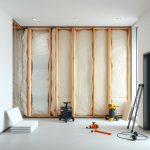
Retrofitting wall insulation during major renovations offers substantial energy savings. Existing homes often lack adequate insulation, leading to significant heat loss in winter and heat gain in summer. By installing high-performance insulation, such as cellulose, fibreglass, or mineral wool, you can dramatically reduce energy consumption for heating and cooling. This translates to lower energy bills, a more comfortable living environment, and a smaller carbon footprint. The specific type of insulation will depend on the existing wall construction and the builder’s specifications.
Reducing Carbon Footprint and Environmental Impact Through Insulation
The environmental benefits of wall insulation retrofits are significant. Reduced energy consumption directly translates to lower greenhouse gas emissions, contributing to a smaller carbon footprint for each home. This aligns with Australia’s commitment to reducing its environmental impact and promotes sustainable building practices. By choosing eco-friendly insulation materials with recycled content, builders can further enhance the environmental credentials of their projects. Energy usage benchmarking against similar homes in Macquarie Park can highlight the effectiveness of the retrofit.
Energy Usage Benchmarking: A Home Comparison Approach
Energy usage benchmarking allows for a direct comparison of energy consumption before and after the wall insulation retrofit. This data-driven approach provides concrete evidence of the improvements achieved. By comparing the energy performance of similar homes in Macquarie Park with and without insulation upgrades, builders can showcase the effectiveness of their sustainable building practices to potential buyers. This transparency builds trust and demonstrates a commitment to environmental responsibility.
Cost-Effectiveness and Return on Investment for Affordable Housing
While the initial investment in wall insulation retrofits might seem significant, the long-term cost savings from reduced energy bills provide a strong return on investment. For affordable housing developments, this is particularly important, as it helps keep housing costs down for residents while simultaneously improving their living standards. The increased property value resulting from improved energy efficiency also adds to the overall return on investment. Government incentives and rebates for energy-efficient upgrades can further enhance the cost-effectiveness.
Choosing the Right Insulation for Macquarie Park Homes
The selection of insulation material is crucial for achieving optimal results. Factors to consider include R-value (thermal resistance), material type (e.g., cellulose, fibreglass, mineral wool), moisture resistance, and fire safety. Consult with experienced insulation professionals to determine the most suitable option for the specific characteristics of the homes in the Macquarie Park development. Proper installation is also critical to ensure the effectiveness of the insulation.
FAQs
Q: What are the common types of wall insulation used in Australia?
A: Common types include fibreglass batts, cellulose insulation, and mineral wool. The best choice depends on the specific application and building requirements.
Q: How much can I expect to save on energy bills after a wall insulation retrofit?
A: Savings vary depending on factors like the existing insulation, climate, and home size. However, significant reductions in heating and cooling costs are typically observed.
Q: Are there any government incentives available for wall insulation retrofits in NSW?
A: Yes, various state and federal government programs offer rebates and incentives for energy-efficient upgrades. Check the NSW government website for current programs.
Q: How long does a wall insulation retrofit typically take?
A: The duration depends on the size of the project and the complexity of the wall construction. It can range from a few days to several weeks.
Q: How does wall insulation affect the indoor air quality of a home?
A: Properly installed insulation generally does not negatively impact indoor air quality. Choosing low-VOC (volatile organic compound) materials can further enhance air quality.
Key Information
| Feature | Description | Benefit |
| —————– | ————————————————- | ———————————————- |
|---|---|---|
| Installation | Professional installation recommended | Ensures effectiveness and avoids issues |
| ROI | Significant long-term savings on energy bills | Quick payback period, increased property value |
| Insulation Type | Cellulose, Fibreglass, Mineral Wool | High R-value, varying cost and environmental impact | | Installation | Professional installation recommended | Ensures effectiveness and avoids issues | | ROI | Significant long-term savings on energy bills | Quick payback period, increased property value |
Conclusion
Wall insulation retrofits during major renovations represent a crucial step towards creating more energy-efficient and environmentally sustainable homes in Macquarie Park. The benefits extend beyond reduced energy bills and carbon footprints, encompassing improved comfort, increased property value, and a positive contribution to a greener future. By incorporating this practice into affordable housing developments, builders can demonstrate a commitment to both affordability and sustainability.
Call to Action
Contact a qualified insulation installer today to discuss the possibilities of a wall insulation retrofit for your next Macquarie Park project. Let’s build a more sustainable future, one home at a time.
These articles are drafted with AI assistance and should be considered general information not professional advice or information Learn More