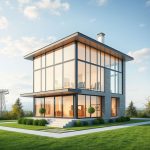
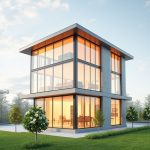
As a builder in the granny flats and secondary dwellings industry in Moreland, you understand the importance of creating energy-efficient homes for your clients. By prioritising energy cost reduction and implementing whole-of-home energy efficiency design, you can generate long-lasting value for your clients while contributing to a more sustainable future for Australia. This article outlines six key areas for home improvements to help you reduce energy costs and achieve a more energy-efficient build.
- Priority Area 1: Insulation
- Priority Area 2: Glazing
- Priority Area 3: Efficient Appliances and Lighting
- Priority Area 4: Solar Power
- Priority Area 5: Water Efficiency
- Priority Area 6: Energy Monitoring
- FAQs
- Q: What is the average payback period for energy-efficient improvements?
- Q: Can I receive government incentives for energy-efficient builds?
- Q: Are energy-efficient homes more expensive to build?
- Q: How do I calculate the energy efficiency of a home?
- Q: What is the most effective way to reduce energy consumption in a home?
- FAQs
- Key Information
Priority Area 1: Insulation
Insulation plays a crucial role in maintaining comfortable indoor temperatures and reducing energy consumption. To maximise energy efficiency, ensure that your builds feature appropriate insulation for the local climate and specific building design.
Insulation Types
- – Ceiling insulation: Batts or blankets, often made from polyester, wool, or glasswool, provide excellent thermal resistance.
- – Wall insulation: Consider external wall insulation for improved energy efficiency, or internal wall insulation for existing homes.
- – Floor insulation: Minimise heat loss through floors by using underfloor insulation, such as foam or polystyrene boards.
Priority Area 2: Glazing
Optimise your windows to prevent heat loss and reduce energy bills. Energy-efficient glazing options include:
- – Low-E glass: A coating on the glass that reflects heat back into the home during winter and prevents heat gain during summer.
- – Double or triple glazing: Multiple layers of glass with a gas fill between for improved insulation.
- – Tinted glass: Solar control film can help reduce solar heat gain, making your home cooler in summer.
Priority Area 3: Efficient Appliances and Lighting
Energy-efficient appliances and lighting can significantly reduce energy consumption. Look for ENERGY STAR-rated appliances, LED lights, and smart power strips to minimise vampire power usage.
Priority Area 4: Solar Power
Solar power is an effective way to generate renewable energy for your homes. Consider installing solar panels on rooftops to provide a sustainable energy source and reduce reliance on the grid.
Priority Area 5: Water Efficiency
Water-efficient fixtures and appliances can help reduce water consumption and energy costs. Look for WaterMark-certified products and consider rainwater harvesting systems for outdoor use.
Priority Area 6: Energy Monitoring
Install smart energy meters to monitor energy consumption and identify areas for improvement. Encourage clients to adopt energy-saving habits, such as turning off lights and appliances when not in use.
FAQs
Q: What is the average payback period for energy-efficient improvements?
A: Payback periods for energy-efficient upgrades can range from 2-10 years, depending on the specific improvements and location.
Q: Can I receive government incentives for energy-efficient builds?
A: Yes, check with your local and federal government for available incentives and rebates for energy-efficient homes.
Q: Are energy-efficient homes more expensive to build?
A: Initial costs for energy-efficient homes may be slightly higher, but the long-term savings and increased resale value can make them a worthwhile investment.
Q: How do I calculate the energy efficiency of a home?
A: Use the Nationwide House Energy Rating Scheme (NatHERS) to assess and rate the energy efficiency of new and existing homes.
Q: What is the most effective way to reduce energy consumption in a home?
A: A combination of energy-efficient design strategies, such as insulation, efficient appliances, and solar power, can significantly reduce energy consumption in a home.
Key Information
| Priority Area | Recommended Solution | Energy Cost Reduction |
| ————– | ———————- | ———————- |
|---|---|---|
| Glazing | Low-E glass, double/triple glazing, tinted glass | Up to 25% |
| Appliances | ENERGY STAR-rated appliances, LED lights, smart power strips | Up to 30% |
| Solar Power | Solar panels | Up to 100% (depending on system size and energy consumption) |
| Water Efficiency | WaterMark-certified fixtures, rainwater harvesting | Up to 30% |
| Insulation | Batts, blankets, wall, floor insulation | Up to 45% | | Glazing | Low-E glass, double/triple glazing, tinted glass | Up to 25% | | Appliances | ENERGY STAR-rated appliances, LED lights, smart power strips | Up to 30% | | Solar Power | Solar panels | Up to 100% (depending on system size and energy consumption) | | Water Efficiency | WaterMark-certified fixtures, rainwater harvesting | Up to 30% |
By prioritising energy cost reduction and implementing whole-of-home energy efficiency design, granny flat and secondary dwelling builders in Moreland can create sustainable, comfortable, and energy-efficient homes for their clients. Not only will these improvements help reduce energy costs, but they will also contribute to a more sustainable future for Australia.
Start building a more sustainable future today! Contact us to learn more about our energy-efficient home design solutions and how we can help you create energy-efficient granny flats and secondary dwellings in Moreland.
These articles are drafted with AI assistance and should be considered general information not professional advice or information Learn More