Welcome to the future of Australian home design – Net Zero Energy Homes (NZEHs). As sustainability consultants and industry leaders, we are dedicated to guiding homeowners and builders towards a greener future. In this article, we will delve into the intricacies of whole-of-home energy efficiency design, focusing on the essential role of the building envelope in achieving NZEHs in Cannon Hill.
- Section 1: Understanding Net Zero Energy Homes
- Section 2: The Building Envelope – The First Line of Defence
- Section 3: Energy Efficiency Specifications in Construction Documents
- Section 4: Maximising Natural Light and Ventilation
- Section 5: Renewable Energy Integration
- Section 6: Benefits of Net Zero Energy Homes
- FAQs
- Q: What is the difference between Energy-Efficient and Net Zero Energy Homes?
- Q: How much does it cost to build a Net Zero Energy Home?
- Q: Can I retrofit my existing home to become Net Zero Energy?
- Q: Can I build a Net Zero Energy Home in any location?
- Q: How long does it take to build a Net Zero Energy Home?
- Key Information
Section 1: Understanding Net Zero Energy Homes
Net Zero Energy Homes generate as much energy as they consume over a year, thanks to renewable energy sources and energy-efficient designs. This approach reduces carbon emissions and promotes a sustainable lifestyle.
Section 2: The Building Envelope – The First Line of Defence
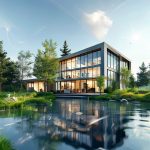
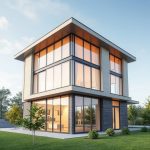
The building envelope – the physical separator between the interior and exterior of a building – plays a crucial role in energy efficiency. It includes the walls, roof, floors, windows, and doors. Proper insulation, high-performance glazing, and airtight construction can significantly reduce energy loss and consumption.
Section 3: Energy Efficiency Specifications in Construction Documents
Incorporating energy efficiency specifications in construction documents is vital to achieving NZEHs. These specifications detail the materials, techniques, and designs that ensure energy efficiency throughout the building envelope.
Section 4: Maximising Natural Light and Ventilation
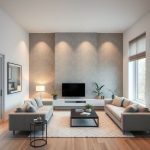
Maximising natural light and ventilation can significantly lower energy consumption for heating, cooling, and lighting. Strategic placement of windows, skylights, and vents can create a comfortable, energy-efficient living space.
Section 5: Renewable Energy Integration
Integrating renewable energy sources, such as solar panels, into NZEHs is essential for generating the necessary energy. These systems can be seamlessly integrated into the building envelope, providing both energy and aesthetic benefits.
Section 6: Benefits of Net Zero Energy Homes
Net Zero Energy Homes offer numerous benefits, including lower energy bills, reduced carbon footprint, improved indoor air quality, and increased property value. They are the future of sustainable living in Cannon Hill.
FAQs
Q: What is the difference between Energy-Efficient and Net Zero Energy Homes?
A: Energy-efficient homes reduce energy consumption, while Net Zero Energy Homes generate as much energy as they consume.
Q: How much does it cost to build a Net Zero Energy Home?
A: The cost of building a Net Zero Energy Home can vary greatly depending on factors such as size, location, and design. However, the long-term savings on energy bills can offset the initial investment.
Q: Can I retrofit my existing home to become Net Zero Energy?
A: Yes, it is possible to retrofit existing homes to become more energy-efficient and, in some cases, Net Zero Energy. Consult a sustainability consultant for personalised advice.
Q: Can I build a Net Zero Energy Home in any location?
A: While any location can potentially support Net Zero Energy Homes, certain locations may offer better solar resources or incentives for renewable energy systems.
Q: How long does it take to build a Net Zero Energy Home?
A: The construction time for a Net Zero Energy Home can vary depending on factors such as size, design complexity, and availability of materials.
Key Information
| Criteria | Details |
| ———————- | —————————————————————————————————————————————————— |
|---|---|
| Building Envelope | Insulation, windows, doors, walls, roof, and floors |
| Renewable Energy | Solar panels, wind turbines, or other renewable energy sources |
| Natural Light | Strategic window placement, skylights, and light wells |
| Ventilation | Passive ventilation, mechanical ventilation, or a combination of both |
| Energy Efficiency | Aim for minimal energy consumption and carbon emissions | | Building Envelope | Insulation, windows, doors, walls, roof, and floors | | Renewable Energy | Solar panels, wind turbines, or other renewable energy sources | | Natural Light | Strategic window placement, skylights, and light wells | | Ventilation | Passive ventilation, mechanical ventilation, or a combination of both |
The journey towards net zero energy homes in Cannon Hill begins with understanding the importance of the building envelope and incorporating energy efficiency specifications in construction documents. By working with sustainability consultants, homeowners and builders can create comfortable, energy-efficient living spaces that contribute to a sustainable future.
Ready to embrace a greener future? Get in touch with our sustainability consultants today and let’s design your net zero energy home together.
These articles are drafted with AI assistance and should be considered general information not professional advice or information Learn More