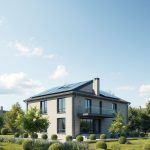
In today’s environmentally conscious world, property investors in the relocatable homes industry in Olympic Park are seeking ways to create energy-efficient homes. By collaborating with architects and engineers, you can implement Energy Management System (EMS) designs to maximise energy savings while ensuring comfort and convenience for your tenants.
- Section 1: Understanding Energy Management System Design
- Section 2: Collaborating with Architects
- Section 3: Collaborating with Engineers
- Section 4: Monitoring Energy Usage
- Section 5: Maintenance and Upgrades
- FAQs
- Q: What are the benefits of an Energy Management System (EMS) in relocatable homes?
- Q: How can I find energy-efficient architects and engineers for my relocatable home project?
- Q: What are some energy-saving technologies that I can implement in my relocatable home?
- Q: How can I finance the upfront costs of implementing an Energy Management System in my relocatable home?
- Q: How can I ensure that my tenants are aware of and follow energy-saving practices in my relocatable home?
- Key Information
Section 1: Understanding Energy Management System Design
To create an energy-efficient relocatable home, it is essential to understand the principles of EMS design. This approach involves identifying energy consumption patterns, implementing energy-saving technologies, and monitoring energy usage to optimise energy efficiency.
Sub-section 1.1: Identifying Energy Consumption Patterns
To achieve whole-of-home energy efficiency, it is crucial to understand the energy consumption patterns in your relocatable home. This can be done by conducting energy audits, assessing the building’s insulation, and evaluating the appliances used.
Sub-section 1.2: Implementing Energy-Saving Technologies
Once you have identified the energy consumption patterns, work with architects and engineers to implement energy-saving technologies such as solar panels, energy-efficient appliances, and smart home systems.
Section 2: Collaborating with Architects
Architects play a crucial role in creating energy-efficient relocatable homes. They can help design homes that incorporate energy-saving technologies seamlessly while maintaining aesthetic appeal.
Sub-section 2.1: Energy-Efficient Design Principles
Ask your architect to incorporate energy-efficient design principles such as passive solar design, natural ventilation, and thermal mass.
Sub-section 2.2: Energy-Efficient Building Materials
Ensure your architect uses energy-efficient building materials such as insulation, double-glazed windows, and energy-efficient roofing for your relocatable home.
Section 3: Collaborating with Engineers
Engineers help implement the technical aspects of energy-efficient design in your relocatable home. They can advise on energy-efficient lighting, HVAC systems, and renewable energy sources.
Sub-section 3.1: Energy-Efficient Lighting
Work with an engineer to select energy-efficient lighting options such as LED lights, and implement lighting control systems like occupancy sensors to reduce energy waste.
Sub-section 3.2: Energy-Efficient HVAC Systems
Choose energy-efficient HVAC systems that are suitable for your relocatable home. Consult an engineer to help you select the appropriate system and ensure proper installation for optimal energy efficiency.
Section 4: Monitoring Energy Usage
Monitoring energy usage is essential to evaluate the effectiveness of your energy management system and make necessary adjustments.
Sub-section 4.1: Install Energy Monitoring Devices
Install energy monitoring devices to track your relocatable home’s energy consumption patterns. This will help you identify areas where energy is being wasted and make improvements accordingly.
Sub-section 4.2: Regular Energy Audits
Conduct regular energy audits to assess the energy efficiency of your relocatable home and ensure that it continues to meet your energy-saving goals.
Section 5: Maintenance and Upgrades
Regular maintenance and upgrades are necessary to maintain the energy efficiency of your relocatable home.
Sub-section 5.1: Regular Maintenance
Schedule routine maintenance for your relocatable home to ensure that appliances, HVAC systems, and energy-saving technologies are functioning efficiently.
Sub-section 5.2: Upgrades
Upgrade energy-saving technologies as they become more efficient and cost-effective. This will help you continue to save on energy bills and stay up-to-date with changing energy-efficiency standards.
FAQs
Q: What are the benefits of an Energy Management System (EMS) in relocatable homes?
A: An EMS can help reduce energy consumption, lower energy bills, increase property value, and contribute to a sustainable living environment.
Q: How can I find energy-efficient architects and engineers for my relocatable home project?
A: Research local professionals who specialise in energy-efficient design and have a proven track record of delivering energy-efficient homes. You can also ask for recommendations from industry peers.
Q: What are some energy-saving technologies that I can implement in my relocatable home?
A: Some energy-saving technologies include solar panels, energy-efficient appliances, smart home systems, LED lights, and energy-efficient HVAC systems.
Q: How can I finance the upfront costs of implementing an Energy Management System in my relocatable home?
A: Consider financing options such as government grants, low-interest loans, and energy service performance contracts, which allow you to pay for energy-saving improvements over time.
Q: How can I ensure that my tenants are aware of and follow energy-saving practices in my relocatable home?
A: Provide educational materials and incentives for your tenants to encourage energy-saving practices. Consider implementing smart home systems that automatically adjust energy usage based on occupancy and time of day.
Key Information
| Feature | Description |
| ————————- | ————————————————————————————————————————————————————————————————————————————————————————————————————————————————————————————————————————————————————————————————————- |
|---|---|
| Passive Solar Design | A design approach that utilises the sun’s energy to heat and cool a building, reducing the need for artificial heating and cooling systems. |
| Energy-Efficient Appliances | Appliances that use less energy while still providing the necessary functions, such as energy-efficient refrigerators, washing machines, and air conditioners. |
| Energy Management System (EMS) | A comprehensive approach to managing energy consumption, incorporating energy-saving technologies, monitoring energy usage, and making necessary adjustments for optimal energy efficiency. | | Passive Solar Design | A design approach that utilises the sun’s energy to heat and cool a building, reducing the need for artificial heating and cooling systems. | | Energy-Efficient Appliances | Appliances that use less energy while still providing the necessary functions, such as energy-efficient refrigerators, washing machines, and air conditioners. |
By collaborating with architects and engineers, you can create energy-efficient relocatable homes that not only save on energy bills but also contribute to a sustainable living environment. Implementing Energy Management System designs, using energy-efficient technologies, and regularly monitoring energy usage will help you achieve whole-of-home energy efficiency in your Olympic Park relocatable homes.
Contact us today to learn more about how we can help you create energy-efficient relocatable homes that will attract tenants seeking sustainable living options. Let’s work together towards a greener future!
These articles are drafted with AI assistance and should be considered general information not professional advice or information Learn More
Related posts:

Boosting Energy Efficiency in Apartment Buildings: A Guide for Daisy Hill Insulation Installers

Maximizing Energy Efficiency in Custom Modular Homes: Design Cost-Effective Upgrades for Building Ap...