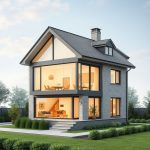
As energy prices continue to rise and the urgency for climate action grows, more homeowners and sustainability consultants in Streaky Bay are turning to prefabricated and modular homes as a solution for energy-efficient living. This article will focus on Whole-of-Home Energy Efficiency Design, emphasising priority areas for home improvements using Building Envelope principles.
Section 1: Understanding Building Envelope
The Building Envelope is the physical separation between the indoor and outdoor environments, consisting of a home’s exterior walls, roof, windows, and foundation. Improving the Building Envelope is crucial for energy efficiency, as it can significantly reduce heat transfer and improve temperature control.
Section 2: Prioritising Exterior Walls
Exterior walls should be insulated to minimise heat loss in winter and heat gain in summer. Insulation types include bulk insulation (e.g., fibreglass), reflective insulation, and rigid foam insulation. Adequate wall insulation can lead to a 25-50% reduction in heating and cooling costs.
Section 3: Optimising Roofing Solutions
Choosing the right roofing material and insulation is essential for energy efficiency. Consider reflective roof coatings, solar reflective tiles, or green roofs to minimise heat absorption. Insulating your roof can result in a 10-25% reduction in cooling costs.
Section 4: Selecting Energy-Efficient Windows
Energy-efficient windows can significantly reduce heating and cooling costs. Look for windows with low U-values, high Solar Heat Gain Coefficients (SHGC), and low air leakage rates. Double or triple glazing can be beneficial in extreme climates.
Section 5: Sealing and Insulating Foundations
Insulating the foundation can help maintain consistent temperatures throughout the home. This can be achieved through slab insulation, foam insulation, or exterior insulation. Properly sealing the foundation can reduce air leakage and improve energy efficiency.
Section 6: Implementing Draught Proofing
Draught proofing doors, windows, and other openings can prevent energy loss and improve comfort. Common draught-proofing methods include weatherstripping, door seals, and caulking.
FAQs
Q: What is the Building Envelope?
A: The Building Envelope is the physical separation between the indoor and outdoor environments, consisting of a home’s exterior walls, roof, windows, and foundation.
Q: What is insulation, and why is it important for energy efficiency?
A: Insulation is a material that reduces heat transfer between spaces. It is essential for energy efficiency as it minimises heat loss in winter and heat gain in summer, leading to reduced heating and cooling costs.
Q: What is the role of windows in Building Envelope design for energy efficiency?
A: Energy-efficient windows can significantly reduce heating and cooling costs. Look for windows with low U-values, high Solar Heat Gain Coefficients (SHGC), and low air leakage rates.
Key Information
| Priority Area | Benefits |
| ————– | ——— |
|---|---|
| Roofing Solutions | 10-25% reduction in cooling costs |
| Energy-Efficient Windows | Reduced heating and cooling costs |
| Foundations | Improved temperature consistency |
| Draught Proofing | Prevent energy loss and improve comfort |
| Exterior Walls | 25-50% reduction in heating and cooling costs | | Roofing Solutions | 10-25% reduction in cooling costs | | Energy-Efficient Windows | Reduced heating and cooling costs | | Foundations | Improved temperature consistency | | Draught Proofing | Prevent energy loss and improve comfort |
Incorporating Whole-of-Home Energy Efficiency Design principles into your prefabricated or modular home in Streaky Bay can help you create a sustainable, comfortable, and cost-effective living space. Prioritising Building Envelope improvements is a crucial step towards achieving energy efficiency in your home.
Ready to start your energy-efficient home journey? Consult with our sustainability experts today to learn more about Whole-of-Home Energy Efficiency Design and Building Envelope improvements for your prefabricated or modular home in Streaky Bay.
These articles are drafted with AI assistance and should be considered general information not professional advice or information Learn More
Related posts:
Optimising Energy Efficiency in Student Accommodation: Designing Mechanical Systems for Seasonal Per...

Designing Energy Efficient Homes for a Sustainable Future: Passive House Construction in Greenway