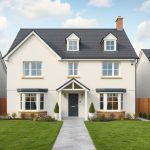
The demand for energy-efficient and sustainable housing solutions continues to grow in Australia, with modular and prefabricated homes leading the charge. In New Town, homeowners and designers are turning to whole-of-home energy efficiency designs to maximise comfort, reduce energy waste, and minimise environmental impact.
- Section 1: Understanding Building Envelope Thermal Bridging
- Section 2: Assessing Thermal Bridging for Energy Efficiency
- Section 3: Designing for Energy Efficiency in Modular Homes
- Section 4: Benefits of Whole-of-Home Energy Efficiency Design
- Section 5: Common Thermal Bridging Solutions
- Section 6: The Role of Building Designers and Architects
- FAQs
- Key Information
Section 1: Understanding Building Envelope Thermal Bridging
Building envelope thermal bridging refers to the unintentional pathways that allow heat to transfer through a building’s structural elements, bypassing the insulation. These pathways can significantly impact the overall energy efficiency of a home, leading to increased heating and cooling costs and reduced indoor comfort.
Section 2: Assessing Thermal Bridging for Energy Efficiency
A thorough assessment of a building’s thermal bridging is crucial for achieving whole-of-home energy efficiency. This involves identifying and measuring the thermal conductivity of various structural components, such as studs, floor joists, and window and door frames. The results of the assessment can then be used to target areas for improvement and optimise insulation strategies.
Section 3: Designing for Energy Efficiency in Modular Homes
When it comes to modular homes, designers have the unique opportunity to consider thermal bridging from the very beginning of the design process. By incorporating energy-efficient materials and strategies into the design, such as insulated foundations, optimised wall and roof assemblies, and high-performance windows and doors, designers can create homes that are comfortable, energy-efficient, and cost-effective to run.
Section 4: Benefits of Whole-of-Home Energy Efficiency Design
The benefits of whole-of-home energy efficiency design extend far beyond reduced energy bills. By minimising thermal bridging and optimising insulation, homeowners can enjoy improved indoor comfort, enhanced air quality, and a reduced carbon footprint. Additionally, homes with higher energy efficiency ratings are more attractive to potential buyers, making them an excellent investment for the future.
Section 5: Common Thermal Bridging Solutions
There are several effective solutions for addressing thermal bridging in modular homes. These include using insulated foundations, incorporating continuous insulation layers, using high-performance window and door frames, and optimising the design of structural elements to minimise thermal conductivity.
Section 6: The Role of Building Designers and Architects
Building designers and architects play a vital role in achieving whole-of-home energy efficiency in modular homes. By staying informed about the latest energy-efficient materials and strategies, they can help homeowners create comfortable, cost-effective, and sustainable living spaces for the future.
FAQs
Q: What is the difference between modular homes and traditional homes?
A: Modular homes are built off-site in controlled factory environments, whereas traditional homes are built on-site. Modular homes are often more energy-efficient due to their factory-controlled construction and the ability to incorporate energy-efficient materials and designs from the outset.
Q: How can I tell if my home has thermal bridging?
A: Some common signs of thermal bridging include cold spots, drafts, and uneven temperatures throughout the home. A professional energy audit can help identify specific areas of thermal bridging.
Q: What is the best insulation material for reducing thermal bridging?
A: Continuous insulation layers, such as extruded polystyrene or polyisocyanurate, are effective at reducing thermal bridging. These materials can be used in walls, floors, and roofs to create a continuous insulation barrier.
Q: Can I retrofit my existing home to improve energy efficiency?
A: Yes, it is possible to retrofit an existing home to improve energy efficiency. This may involve insulating walls, upgrading windows and doors, and addressing thermal bridging in structural elements.
Key Information
| Topic | Description |
| ———————— | ———————————————————————————————————————————————————————————————————————————————————————————————————————————————————————————- |
|---|---|
| Thermal Bridging | The unintentional pathways through a building’s structural elements that allow heat to bypass insulation and impact overall energy efficiency |
| Energy Efficiency | The reduction of energy consumption in buildings through the use of energy-efficient materials, designs, and strategies |
| Modular Homes | Homes that are built off-site in controlled factory environments and transported to the building site for assembly |
| Whole-of-Home Design | The design philosophy that focuses on achieving energy efficiency and sustainability across the entire home, rather than focusing on individual components |
| Building Envelope | The physical separator between the conditioned and unconditioned environment of a building, including walls, roof, floors, windows, and doors | | Thermal Bridging | The unintentional pathways through a building’s structural elements that allow heat to bypass insulation and impact overall energy efficiency | | Energy Efficiency | The reduction of energy consumption in buildings through the use of energy-efficient materials, designs, and strategies | | Modular Homes | Homes that are built off-site in controlled factory environments and transported to the building site for assembly | | Whole-of-Home Design | The design philosophy that focuses on achieving energy efficiency and sustainability across the entire home, rather than focusing on individual components |
Whole-of-home energy efficiency design is essential for creating comfortable, cost-effective, and sustainable living spaces in modular homes across New Town, Australia. By focusing on building envelope thermal bridging assessments and incorporating energy-efficient materials and strategies into the design, homeowners and designers can achieve optimal indoor comfort and temperature control while minimising energy waste and environmental impact.
Are you ready to create a more comfortable and energy-efficient home? Contact our team of expert designers today to learn more about whole-of-home energy efficiency design for your modular home.
These articles are drafted with AI assistance and should be considered general information not professional advice or information Learn More
Related posts:

Whole-of-Home Energy Efficiency Report: Unveiling Energy Waste in Eco-Homes for Rosewater Retirement...

Harnessing Solar Energy in Nakara: A Guide to Building Orientation and Sustainable Design for Energy...