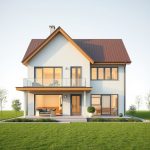
In the heart of New South Wales, Crows Nest has seen a surge in the construction of granny flats and secondary dwellings. As a responsible builder, ensuring your projects meet the minimum energy performance requirements is crucial. This article will guide you through the process, focusing on thermal comfort as a key factor in achieving energy efficiency.
- Section 1: Understanding Energy Efficiency Standards in Crows Nest
- Section 2: The Importance of Thermal Comfort
- Section 3: Designing for Thermal Comfort
- Section 4: Energy-Efficient Materials and Technologies
- Section 5: Assessing Energy Efficiency
- Section 6: Obtaining Approvals
- FAQs
- Q: What is the NSW Government’s energy efficiency standard for granny flats and secondary dwellings?
- Q: What factors contribute to thermal comfort in a dwelling?
- Q: What is the Nationwide House Energy Rating Scheme (NatHERS)?
- Q: What energy-efficient materials and technologies should I consider for my project?
- Q: How can I assess the energy efficiency of my granny flat or secondary dwelling?
- Key Information
Section 1: Understanding Energy Efficiency Standards in Crows Nest
Granny flats and secondary dwellings in Crows Nest are subject to energy efficiency standards set by the NSW Government. These standards aim to reduce greenhouse gas emissions, lower energy costs, and promote sustainable living.
Section 2: The Importance of Thermal Comfort
Thermal comfort plays a significant role in achieving energy efficiency. It ensures that the occupants of your granny flat or secondary dwelling enjoy a comfortable living environment while minimising energy consumption.
Section 3: Designing for Thermal Comfort
To design for thermal comfort, consider factors such as insulation, shading, ventilation, and orientation. These elements contribute to a well-insulated, well-ventilated, and well-shaded dwelling that meets energy efficiency standards.
Section 4: Energy-Efficient Materials and Technologies
Incorporating energy-efficient materials and technologies, such as double-glazed windows, energy-efficient appliances, and solar panels, can further enhance thermal comfort and reduce energy consumption.
Section 5: Assessing Energy Efficiency
Energy ratings can help you assess the energy efficiency of your granny flat or secondary dwelling. In Crows Nest, the Nationwide House Energy Rating Scheme (NatHERS) is commonly used to evaluate a dwelling’s energy efficiency.
Section 6: Obtaining Approvals
To obtain approvals for your energy-efficient granny flat or secondary dwelling in Crows Nest, you must meet the minimum energy performance requirements. This may involve submitting energy ratings, energy efficiency reports, and other relevant documentation.
FAQs
Q: What is the NSW Government’s energy efficiency standard for granny flats and secondary dwellings?
A: The Basix energy efficiency assessment is the standard for granny flats and secondary dwellings in NSW.
Q: What factors contribute to thermal comfort in a dwelling?
A: Insulation, shading, ventilation, and orientation are key factors contributing to thermal comfort.
Q: What is the Nationwide House Energy Rating Scheme (NatHERS)?
A: NatHERS is a standardised energy rating system used to evaluate the energy efficiency of Australian dwellings, including granny flats and secondary dwellings.
Q: What energy-efficient materials and technologies should I consider for my project?
A: Double-glazed windows, energy-efficient appliances, and solar panels are examples of energy-efficient materials and technologies.
Q: How can I assess the energy efficiency of my granny flat or secondary dwelling?
A: Energy ratings, such as those provided by NatHERS, can help you evaluate the energy efficiency of your dwelling.
Key Information
| Criteria | Description |
| ————————— | ————————————————————————————————————————————————————————————————————————————————————————————————————————————————————————————————————————————————————————————————————————————————————————————————————————————– |
|---|---|
| Thermal Comfort | Achieving thermal comfort helps reduce energy consumption and ensures occupants enjoy a comfortable living environment |
| Energy-Efficient Materials | Double-glazed windows, energy-efficient appliances, and solar panels are examples of energy-efficient materials |
| Energy Rating System | NatHERS is the standardised energy rating system used to evaluate the energy efficiency of Australian dwellings |
| Energy Efficiency Standard | The Basix energy efficiency assessment is the standard for granny flats and secondary dwellings in NSW | | Thermal Comfort | Achieving thermal comfort helps reduce energy consumption and ensures occupants enjoy a comfortable living environment | | Energy-Efficient Materials | Double-glazed windows, energy-efficient appliances, and solar panels are examples of energy-efficient materials | | Energy Rating System | NatHERS is the standardised energy rating system used to evaluate the energy efficiency of Australian dwellings |
Compliance with energy efficiency standards, particularly focusing on thermal comfort, is essential for new home builders in the granny flats and secondary dwellings industry in Crows Nest. By incorporating energy-efficient materials, designs, and technologies, you can create comfortable, sustainable, and energy-efficient dwellings that meet the minimum energy performance requirements for approvals.
Looking to build your next energy-efficient granny flat or secondary dwelling in Crows Nest? Start your project today and ensure it meets the minimum energy performance requirements for approval, focusing on thermal comfort. Contact us for more information and expert guidance.
These articles are drafted with AI assistance and should be considered general information not professional advice or information Learn More
Related posts:
NCC Compliance Certificate Energy Efficiency: Green Building Solutions for Duplex and Triplex Develo...

Optimizing Heating and Cooling Systems in First Home Buyer Properties: Energy Efficiency Design Cons...