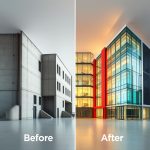
Welcome homeowners in North Hobart! If you’re planning renovations on your first home buyer properties, consider incorporating energy-efficient design as part of your project. Not only will it reduce your energy bills, but it will also contribute to a more sustainable future. This article will guide you through the process of obtaining an NCC Compliance Certificate for Energy Efficiency and improving building durability and longevity using energy-efficient design.
- Section 1: Understanding NCC Compliance Certificate for Energy Efficiency
- Section 2: Energy-Efficient Design for Building Permits
- Section 3: Improved Building Durability
- Section 4: Benefits of NCC Compliance for First Home Buyers
- Section 5: Streamlining the Renovation Process
- Conclusion:
- Call to Action:
- FAQs
- Key Information
Section 1: Understanding NCC Compliance Certificate for Energy Efficiency
The National Construction Code (NCC) sets the minimum standard for building design and construction in Australia. The Energy Efficiency section (Part J) requires that all new residential buildings and renovations achieve a certain energy efficiency level. Obtaining an NCC Compliance Certificate verifies that your property meets these standards.
Section 2: Energy-Efficient Design for Building Permits
Energy-efficient design involves using materials, appliances, and construction methods that minimise energy consumption. This includes insulation, energy-efficient windows, solar panels, and energy-star-rated appliances. These measures not only reduce energy bills but also contribute to a more comfortable living environment.
Section 3: Improved Building Durability
Energy-efficient design isn’t just about energy savings. It also improves building durability by reducing wear and tear on HVAC systems and other energy-consuming components. By creating a well-insulated, thermally comfortable home, you can extend the lifespan of your property.
Section 4: Benefits of NCC Compliance for First Home Buyers
First home buyers in North Hobart can reap numerous benefits from NCC Compliance. Lower energy bills, improved comfort, and increased property value are just a few advantages. Additionally, energy-efficient homes are often more attractive to potential buyers, making them easier to sell in the future.
Section 5: Streamlining the Renovation Process
Incorporating energy-efficient design early in your renovation project can help streamline the process. By working with a builder or designer who understands energy efficiency, you can ensure that your project adheres to NCC Compliance requirements from the outset.
Conclusion:
Investing in energy-efficient design and obtaining an NCC Compliance Certificate for Energy Efficiency is a wise decision for North Hobart homeowners planning renovations. Not only will it improve your property’s durability and longevity, but it will also lower your energy bills and contribute to a more sustainable future.
Call to Action:
Contact a local builder or designer who specialises in energy-efficient design to start planning your renovation project today.
FAQs
Q: What does NCC Compliance mean for my renovation project?
A: NCC Compliance ensures that your renovation project meets the minimum energy efficiency standards set by the National Construction Code.
Q: How can energy-efficient design improve my property’s value?
A: Energy-efficient homes are often more attractive to potential buyers due to lower energy bills and a more comfortable living environment.
Q: What is Part J of the NCC?
A: Part J of the NCC is the Energy Efficiency section that sets the minimum standards for energy efficiency in residential buildings and renovations.
Q: Can I still renovate without energy-efficient design?
A: While it is technically possible, renovating without energy-efficient design may result in higher energy bills, reduced comfort, and a less sustainable home.
Q: How long does it take to obtain an NCC Compliance Certificate?
A: The timeframe for obtaining an NCC Compliance Certificate can vary depending on the complexity of the project and the workload of the certifier. It’s best to consult with your builder or certifier for more accurate information.
Key Information
| Category | Description |
| ————————– | ————————————————————————————————————————————————————————————————————————————————————————————————————————————————— |
|---|---|
| NCC Compliance Certificate | A document verifying that a building or renovation project meets the minimum energy efficiency standards set by the NCC |
| Energy-Efficient Design | The use of materials, appliances, and construction methods that minimise energy consumption, improve comfort, and increase durability |
| Energy Efficiency Standard | The minimum energy efficiency standard set by the NCC for residential buildings and renovations | | NCC Compliance Certificate | A document verifying that a building or renovation project meets the minimum energy efficiency standards set by the NCC | | Energy-Efficient Design | The use of materials, appliances, and construction methods that minimise energy consumption, improve comfort, and increase durability |
These articles are drafted with AI assistance and should be considered general information not professional advice or information Learn More