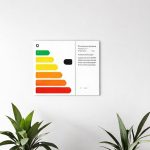
In the ever-evolving landscape of sustainable living, energy efficiency is at the forefront of the discussion. For those living off-grid in Fitzroy North, it’s essential to optimise energy consumption while maintaining optimal indoor comfort. This article delves into the innovative strategies of energy efficiency design, focusing on the building envelope as a key player in temperature control and indoor comfort.
- Section 1: Understanding Building Envelope
- Section 2: Insulation and Thermal Mass
- Section 3: Energy-Efficient Windows and Doors
- Section 4: Ventilation and Air Sealing
- Section 5: Passive Solar Design
- Section 6: Certification and Compliance
- FAQs
- Q: What is the difference between insulation and thermal mass?
- Q: How can I reduce heat gain through my windows in summer?
- Q: What is the role of ventilation in energy efficiency?
- Q: How can I make my off-grid home more energy-efficient?
- Q: What is the National Australian Built Environment Rating System (NABERS)?
- Key Information
Section 1: Understanding Building Envelope
The building envelope is the physical separation between the interior and exterior environments. It includes the walls, roof, floors, windows, and doors. Enhancing the building envelope can significantly improve energy efficiency, reducing heating and cooling costs.
Section 2: Insulation and Thermal Mass
Insulation and thermal mass are crucial components of an efficient building envelope. Insulation slows heat transfer, keeping the house warm in winter and cool in summer. Thermal mass absorbs and stores heat energy, releasing it gradually to maintain a stable indoor temperature.
Section 3: Energy-Efficient Windows and Doors
Energy-efficient windows and doors can minimise heat loss in winter and heat gain in summer. Look for products with low U-values, high solar heat gain coefficients, and low air leakage rates.
Section 4: Ventilation and Air Sealing
Proper ventilation and air sealing are essential for maintaining a comfortable indoor environment. A well-sealed building envelope prevents air leaks, while strategic ventilation helps control moisture and temperature.
Section 5: Passive Solar Design
Passive solar design uses the sun’s energy to heat and cool a building. This can be achieved through careful orientation, shading, and thermal mass utilisation.
Section 6: Certification and Compliance
To ensure your off-grid housing solution is energy-efficient, consider seeking certification from recognised bodies such as the National Australian Built Environment Rating System (NABERS) or the Australian Building Greenhouse Rating (ABGR).
FAQs
Q: What is the difference between insulation and thermal mass?
A: Insulation slows heat transfer, while thermal mass absorbs and stores heat energy.
Q: How can I reduce heat gain through my windows in summer?
A: Invest in energy-efficient windows with low solar heat gain coefficients, or use shading devices such as awnings or overhangs.
Q: What is the role of ventilation in energy efficiency?
A: Ventilation helps control moisture and temperature, promoting a comfortable indoor environment and reducing energy consumption for heating and cooling.
Q: How can I make my off-grid home more energy-efficient?
A: Implement strategies such as improving insulation, using energy-efficient windows and doors, and employing passive solar design.
Q: What is the National Australian Built Environment Rating System (NABERS)?
A: NABERS is a rating system that measures the energy efficiency, water usage, and indoor environment quality of Australian buildings.
Key Information
| Category | Description |
| ————— | —————————————————————————————————- |
|---|---|
| Thermal Mass | Materials that absorb and store heat energy, releasing it gradually to maintain a stable temperature |
| Ventilation | Strategies to control airflow and moisture in the building envelope |
| Air Sealing | Techniques to prevent air leaks in the building envelope |
| Passive Solar | Design strategies that utilise the sun’s energy for heating and cooling |
| Insulation | Materials that slow heat transfer, keeping the house warm in winter and cool in summer | | Thermal Mass | Materials that absorb and store heat energy, releasing it gradually to maintain a stable temperature| | Ventilation | Strategies to control airflow and moisture in the building envelope | | Air Sealing | Techniques to prevent air leaks in the building envelope | | Passive Solar | Design strategies that utilise the sun’s energy for heating and cooling |
By implementing energy-efficient building envelope techniques, off-grid homeowners in Fitzroy North can significantly reduce their energy consumption, lower costs, and maintain a comfortable indoor environment.
Start your journey towards energy efficiency today! Consult with our team of experts to learn more about energy-efficient off-grid housing solutions in Fitzroy North.
These articles are drafted with AI assistance and should be considered general information not professional advice or information Learn More
Related posts:
**Efficient Flooring Insulation during Renovations: A Guide for Energy Compliance in Australian Stud...
Building Certifiers Energy Efficiency Design and Report: Enhancing House Energy Efficiency in Figtre...