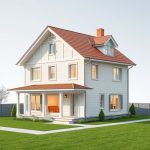
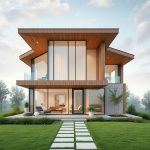
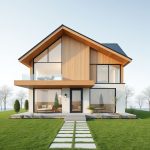
In a world where energy conservation and sustainability are at the forefront, sustainable eco-homes have become the norm for many Australians. Architects and building designers play a crucial role in shaping these homes, ensuring they meet the needs of their clients while minimizing their environmental footprint. In this article, we will focus on the crucial aspect of whole-of-home energy efficiency design and the importance of proper building orientation using thermal assessment.
- Section 1: Embracing Sustainable Eco-Homes in Narrandera
- Section 2: Proper Building Orientation for Energy Efficiency
- Section 3: Understanding Thermal Assessment
- Section 4: Maximizing Natural Light and Ventilation
- Section 5: Energy-Efficient Building Materials
- Section 6: The Role of Technology in Energy Efficiency
- FAQs
- Q: What is the primary benefit of sustainable eco-homes?
- Q: How can architects and building designers ensure their designs are energy-efficient?
- Q: What is the difference between active and passive energy efficiency strategies?
- Q: How can architects and building designers help homeowners reduce their energy bills?
- Q: What is the importance of proper building orientation for energy efficiency?
- Key Information
Section 1: Embracing Sustainable Eco-Homes in Narrandera
Sustainable eco-homes are becoming increasingly popular in Narrandera, as more homeowners seek energy-efficient solutions that protect the environment while providing a comfortable living space. Architects and building designers have the opportunity to make a significant impact on the community by creating homes that not only meet but exceed energy efficiency standards.
Section 2: Proper Building Orientation for Energy Efficiency
The orientation of a home significantly impacts its energy efficiency. By strategically positioning the home on the building site, architects and building designers can capitalize on natural sunlight and breeze, reducing the need for artificial heating and cooling. Thermal assessment is an essential tool in determining the optimal orientation for a sustainable eco-home.
Section 3: Understanding Thermal Assessment
Thermal assessment is the process of evaluating a building’s energy performance based on factors such as its location, orientation, and construction materials. This analysis allows architects and building designers to identify areas where energy can be saved, ultimately resulting in a more energy-efficient home.
Section 4: Maximizing Natural Light and Ventilation
Maximizing natural light and ventilation is key to achieving whole-of-home energy efficiency. By designing homes with large windows, skylights, and strategic window placement, architects and building designers can harness the sun’s energy for heating and minimize the need for artificial lighting. Incorporating passive ventilation strategies, such as louvres and eaves, can also help regulate indoor temperatures and reduce energy consumption.
Section 5: Energy-Efficient Building Materials
Choosing the right building materials is essential for energy efficiency. Insulation, double-glazed windows, and energy-efficient appliances are just a few examples of materials that can contribute to a home’s overall energy efficiency. Architects and building designers should consider the thermal properties of different materials and their impact on energy consumption when making material selections.
Section 6: The Role of Technology in Energy Efficiency
Advances in technology have opened up new opportunities for energy efficiency in sustainable eco-homes. Smart home systems, renewable energy solutions, and energy storage systems are just a few examples of technologies that can help homeowners reduce their energy consumption and carbon footprint. Architects and building designers should stay informed about these emerging technologies to provide their clients with the most energy-efficient solutions.
FAQs
Q: What is the primary benefit of sustainable eco-homes?
A: Sustainable eco-homes offer numerous benefits, including reduced energy consumption, lower greenhouse gas emissions, and a more comfortable living environment for occupants.
Q: How can architects and building designers ensure their designs are energy-efficient?
A: Architects and building designers can ensure their designs are energy-efficient by utilizing thermal assessment, maximizing natural light and ventilation, selecting energy-efficient building materials, and incorporating energy-saving technologies.
Q: What is the difference between active and passive energy efficiency strategies?
A: Active energy efficiency strategies require the use of mechanical systems, such as air conditioning or solar panels, to reduce energy consumption. Passive energy efficiency strategies, on the other hand, rely on natural means, such as insulation, shading, and thermal mass, to achieve energy savings.
Q: How can architects and building designers help homeowners reduce their energy bills?
A: Architects and building designers can help homeowners reduce their energy bills by designing homes with energy-efficient features, such as insulation, double-glazed windows, and energy-efficient appliances. Additionally, they can provide guidance on the optimal use of energy-saving technologies, such as smart home systems and renewable energy solutions.
Q: What is the importance of proper building orientation for energy efficiency?
A: Proper building orientation can significantly impact a home’s energy efficiency. By strategically positioning the home on the building site, architects and building designers can capitalize on natural sunlight and breeze, reducing the need for artificial heating and cooling and ultimately saving energy.
Key Information
| Category | Description |
| — | — |
|---|---|
| Thermal Assessment | The process of evaluating a building’s energy performance based on factors such as location, orientation, and construction materials |
| Energy-Efficient Building Materials | Materials that contribute to a home’s overall energy efficiency, such as insulation, double-glazed windows, and energy-efficient appliances |
| Natural Light and Ventilation | Strategies for maximizing natural light and ventilation in a home to reduce energy consumption |
| Technology | Emerging technologies, such as smart home systems, renewable energy solutions, and energy storage systems, that can help homeowners reduce their energy consumption and carbon footprint |
| Building Orientation | The strategic positioning of a home on the building site to maximize natural sunlight and breeze | | Thermal Assessment | The process of evaluating a building’s energy performance based on factors such as location, orientation, and construction materials | | Energy-Efficient Building Materials | Materials that contribute to a home’s overall energy efficiency, such as insulation, double-glazed windows, and energy-efficient appliances | | Natural Light and Ventilation | Strategies for maximizing natural light and ventilation in a home to reduce energy consumption | | Technology | Emerging technologies, such as smart home systems, renewable energy solutions, and energy storage systems, that can help homeowners reduce their energy consumption and carbon footprint |
By embracing sustainable eco-homes and focusing on proper building orientation, thermal assessment, energy-efficient materials, natural light and ventilation, and technology, architects and building designers in Narrandera can create homes that are not only beautiful and functional but also energy-efficient and eco-friendly. As the demand for sustainable homes continues to grow, these professionals have the opportunity to lead the way in energy-efficient design, making a positive impact on the environment and the lives of their clients.
Are you an architect or building designer looking to make a difference in the world of sustainable eco-homes? Start incorporating these energy-efficient design principles into your projects today and help create a more energy-efficient future for Narrandera.
These articles are drafted with AI assistance and should be considered general information not professional advice or information Learn More