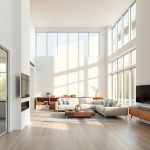
In a world where energy costs are constantly rising and climate change is a pressing concern, building energy-efficient homes is no longer a luxury—it’s a necessity. One innovative approach gaining traction in Australia is the Passive House construction method, a design philosophy that prioritises energy efficiency, comfort, and sustainability.
The Passive House Advantage
Passive House is a rigorous, voluntary standard for energy efficiency in a building, requiring minimal energy for heating and cooling. This is achieved through a combination of insulation, air tightness, and energy recovery ventilation.
Designing for Future Energy Upgrade Flexibility
A forward-thinking approach to energy efficiency involves designing homes with future energy upgrades in mind. This can be achieved by incorporating an energy management system (EMS) into the home design. An EMS monitors and controls energy consumption, allowing homeowners to optimise their energy use and prepare for the integration of renewable energy sources.
Key Features of Energy Management System Design Homes
- 1. High-performance building envelope: Insulation, windows, and air tightness are crucial for reducing energy loss.
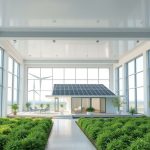
- 2. Energy-efficient mechanical systems: These include heat recovery ventilation systems, solar panels, and battery storage.
- 3. Smart controls and monitoring: An EMS allows homeowners to monitor and adjust their energy consumption in real-time.
Custom Homes in Neutral Bay Leading the Way
Neutral Bay is becoming a hub for energy-efficient homes, with many custom home builders embracing the Passive House concept. These builders are committed to creating comfortable, low-energy homes that are tailored to their clients’ needs.
FAQs
Q: What is a Passive House?
A: A Passive House is a highly energy-efficient building that requires minimal heating and cooling.
Q: How much do Passive Houses cost?
A: The cost of a Passive House depends on several factors, including the size of the home, the materials used, and the location. However, the additional cost is often offset by lower energy bills.
Q: Are Passive Houses comfortable in hot climates?
A: Yes, Passive Houses are designed to be comfortable in all climates, including hot and humid ones.
Conclusion:
Incorporating energy efficiency into custom home builds is not just beneficial for the environment—it’s good for homeowners’ wallets too. By designing for future energy upgrade flexibility and embracing the Passive House concept, custom home builders in Neutral Bay are leading the way in sustainable, energy-efficient living.
Call to Action:
Ready to build your energy-efficient dream home? Contact a custom home builder in Neutral Bay today and start your Passive House journey.
These articles are drafted with AI assistance and should be considered general information not professional advice or information Learn More