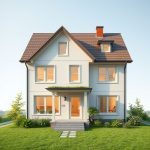
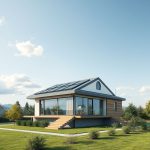
In today’s environmentally-conscious world, home buyers in Benowa are increasingly seeking energy-efficient properties. Among these options, granny flats and secondary dwellings have gained popularity due to their versatility, affordability, and potential for energy savings. This article focuses on Energy House, a pioneer in energy efficiency design for these dwellings, highlighting the strategies used to prevent moisture and condensation problems through renewable energy integration.
- Section 1: Understanding Energy Efficiency in Granny Flats and Secondary Dwellings
- Section 2: Renewable Energy Integration for Energy Efficiency
- Section 3: Preventing Moisture and Condensation Problems
- Section 4: Energy Efficiency Design Considerations
- Section 5: Case Studies from Benowa
- Conclusion:
- FAQs
- Key Information
Section 1: Understanding Energy Efficiency in Granny Flats and Secondary Dwellings
Energy efficiency refers to the practice of reducing energy consumption while maintaining or even improving the quality of services provided. In the context of granny flats and secondary dwellings, energy efficiency translates to minimizing energy waste, reducing greenhouse gas emissions, and lowering utility bills.
Section 2: Renewable Energy Integration for Energy Efficiency
Solar panels, wind turbines, and battery storage systems are some examples of renewable energy technologies that can be integrated into granny flats and secondary dwellings. By harnessing clean, renewable energy, these dwellings can significantly reduce their reliance on fossil fuels, thereby reducing their carbon footprint and energy costs.
Section 3: Preventing Moisture and Condensation Problems
Moisture and condensation issues can lead to mould growth, structural damage, and health problems. To mitigate these problems, Energy House employs several strategies, including:
- – Proper insulation and ventilation
- – Moisture-resistant building materials
- – Rainwater harvesting systems
- – Efficient heating and cooling systems
Section 4: Energy Efficiency Design Considerations
Energy efficiency design for granny flats and secondary dwellings involves careful planning and consideration of factors such as:
- – Orientation and shading
- – Window size and placement
- – Passive solar design
- – Energy-efficient appliances and lighting
Section 5: Case Studies from Benowa
Energy House has successfully implemented energy-efficient and renewable energy-integrated designs in several granny flats and secondary dwellings across Benowa. These projects showcase the potential for significant energy savings and reduced environmental impact.
Conclusion:
Incorporating renewable energy into the design of granny flats and secondary dwellings not only contributes to energy efficiency but also prevents moisture and condensation problems. By choosing Energy House, home buyers in Benowa can invest in a sustainable, future-proof living solution.
Ready to build your energy-efficient granny flat or secondary dwelling with Energy House? Contact us today to start your sustainable living journey.
- —
FAQs
Q: What is the difference between a granny flat and a secondary dwelling?
A: Granny flats are self-contained residential units typically built on an existing property to accommodate extended family members or as a rental unit. Secondary dwellings, on the other hand, are separate houses built on a property in addition to the main dwelling.
Q: How can renewable energy help prevent moisture and condensation problems?
A: Renewable energy can help prevent moisture and condensation problems by providing an alternative, clean heating source that reduces the need for gas or electric heaters, which can contribute to moisture buildup.
Q: What is passive solar design?
A: Passive solar design is an approach to building design that uses the sun’s energy for heating and cooling without the use of mechanical systems. This can be achieved through strategic placement of windows, insulation, and thermal mass.
Key Information
| Feature | Description |
| ——————– | ————————————————————————————————————————————————————————————————————- |
|---|---|
| Battery Storage | Store excess solar energy for use during periods of high demand or low sunlight. |
| Rainwater Harvesting System | Collect and store rainwater for use in toilet flushing, laundry, and gardening, reducing mains water consumption. |
| Solar Panels | Convert sunlight into electricity, reducing reliance on the grid and lowering energy costs. | | Battery Storage | Store excess solar energy for use during periods of high demand or low sunlight. | | Rainwater Harvesting System | Collect and store rainwater for use in toilet flushing, laundry, and gardening, reducing mains water consumption. |
These articles are drafted with AI assistance and should be considered general information not professional advice or information Learn More