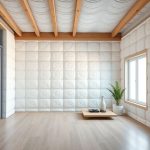
Heritage homes in Surry Hills hold a unique charm and character that is a testament to the rich history of Australia. As property managers and renovators, preserving these treasures while adapting them to modern living demands goes beyond aesthetic considerations. It necessitates an energy-efficient approach that ensures both environmental sustainability and financial savings. This article outlines key strategies for energy efficiency design in heritage home renovations, focusing on the use of Residential Building Energy Modeling services to surpass minimum code requirements, enhancing performance, and realising long-term benefits.
- Section 1: Understanding Energy Efficiency in Heritage Home Renovations
- Section 2: Minimum Code Requirements for Energy Efficiency
- Section 3: The Role of Residential Building Energy Modeling
- Section 4: Design Strategies to Exceed Minimum Code Requirements
- Section 5: Benefits of Energy Efficiency Design in Heritage Homes
- Conclusion:
- Call to Action:
- FAQs
- Key Information
Section 1: Understanding Energy Efficiency in Heritage Home Renovations
Energy efficiency is the practice of improving resource efficiency by decreasing energy waste, thereby reducing energy consumption and costs. In the context of heritage home renovations, it involves adopting strategies to preserve the original character and charm of the property while incorporating modern energy-efficient materials, systems, and appliances.
Section 2: Minimum Code Requirements for Energy Efficiency
The Building Code of Australia (BCA) establishes the minimum energy efficiency requirements for residential building construction and renovation projects. These guidelines aim to ensure that new and renovated homes are energy-efficient, comfortable, and cost-effective for occupants. However, these minimum requirements may not always be sufficient for achieving optimal energy efficiency, particularly in heritage homes with their distinct architectural features and construction methods.
Section 3: The Role of Residential Building Energy Modeling
Residential Building Energy Modeling is a process that simulates the energy consumption and performance of a building design before construction begins. This service helps assess the energy efficiency of a building and identifies areas for improvement, allowing designers and builders to make informed decisions to optimise energy performance and surpass minimum code requirements.
Section 4: Design Strategies to Exceed Minimum Code Requirements
By utilising Residential Building Energy Modeling, property managers can identify design strategies to exceed minimum code requirements and achieve energy efficiency excellence in their heritage home renovations. These strategies may include:
- – Improved insulation
- – Energy-efficient windows and doors
- – High-performance heating, ventilation, and air conditioning (HVAC) systems
- – Energy-efficient lighting and appliances
- – Solar power systems
Section 5: Benefits of Energy Efficiency Design in Heritage Homes
Energy efficiency design in heritage homes offers numerous benefits, including:
- – Lower energy bills
- – Reduced greenhouse gas emissions
- – Enhanced occupant comfort
- – Increased property value
- – Improved preservation of heritage features
Conclusion:
Investing in energy efficiency design for your heritage home renovation projects can help you meet and exceed minimum code requirements, creating a more comfortable, energy-efficient, and financially viable living space. By utilising Residential Building Energy Modeling services, you can make informed decisions to optimise energy performance and ensure long-term benefits for both your property and the environment.
Call to Action:
Are you ready to take your heritage home renovation projects to the next level? Contact us today to learn more about Residential Building Energy Modeling services and discover how we can help you exceed minimum code requirements for superior energy efficiency performance.
FAQs
Q: What is Residential Building Energy Modeling?
A: Residential Building Energy Modeling is a process that simulates the energy consumption and performance of a building design before construction begins. This service helps assess the energy efficiency of a building and identifies areas for improvement.
Q: How can energy efficiency design help preserve heritage features in a home?
A: Energy efficiency design strategies can be tailored to preserve the original character and charm of a heritage home while incorporating modern energy-efficient materials, systems, and appliances. This approach ensures that the heritage features are not compromised during the renovation process.
Q: What are the financial benefits of energy efficiency design in heritage homes?
A: Energy efficiency design in heritage homes can result in lower energy bills, increased property value, and long-term financial savings. By reducing energy consumption, property managers can enjoy ongoing cost savings and potentially attract tenants or buyers who value energy-efficient homes.
Key Information
| Categories | Benefits |
| ————————— | ————————————————————————————————————————————————————————————————————————————————————————————————————————————————————————————————————————————————————————————————————————————————————————————————————————————————————————————————————— |
|---|---|
| Residential Building Energy Modeling | Assess energy efficiency of a building design, identify areas for improvement, make informed decisions to optimise energy performance, help meet and exceed minimum code requirements |
| Surry Hills Heritage Homes | Preserve unique charm and character, adapt to modern living demands, ensure environmental sustainability, financial savings, and long-term benefits |
| Energy Efficiency | Lower energy bills, reduced greenhouse gas emissions, enhanced occupant comfort, increased property value, improved preservation of heritage features | | Residential Building Energy Modeling | Assess energy efficiency of a building design, identify areas for improvement, make informed decisions to optimise energy performance, help meet and exceed minimum code requirements | | Surry Hills Heritage Homes | Preserve unique charm and character, adapt to modern living demands, ensure environmental sustainability, financial savings, and long-term benefits |
These articles are drafted with AI assistance and should be considered general information not professional advice or information Learn More