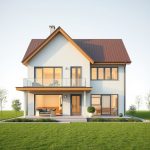
With a growing focus on sustainability and energy efficiency, homeowners planning heritage house renovations in Plumpton can reap numerous benefits by implementing optimized building designs. By incorporating home insulation assessments and recommendations, homeowners can reduce energy consumption, lower costs, and create a more comfortable living environment.
Section 1: Understanding the Importance of Energy Efficiency
Energy efficiency in heritage home renovations is crucial for several reasons. First, it helps homeowners reduce their carbon footprint, contributing to a greener and more sustainable future. Second, it leads to lower energy bills, providing long-term savings. Lastly, energy-efficient homes are more comfortable, offering better temperature control and reduced noise pollution.
Section 2: The Role of Home Insulation Assessments
Home insulation assessments play a vital role in achieving energy efficiency during heritage house renovations. These assessments evaluate the current condition of a home’s insulation and identify areas for improvement. By addressing any insulation issues, homeowners can significantly reduce heat loss in winter and heat gain in summer, resulting in energy savings and a more comfortable living environment.
Section 3: Key Insulation Considerations for Heritage Homes
When it comes to heritage homes, careful consideration must be given to maintaining the home’s original character while implementing energy-efficient solutions. Insulation materials should be chosen for their energy-efficiency benefits, as well as their compatibility with heritage building design and materials.
Section 4: Beneficial Building Design Strategies
Along with home insulation improvements, incorporating energy-efficient design strategies can further optimize a heritage home’s energy efficiency. This may include orientation for maximum sunlight exposure, energy-efficient windows, and smart ventilation systems.
Section 5: Finding a Qualified Insulation Professional
To ensure the success of energy-efficiency efforts during heritage home renovations, it is essential to work with a qualified and experienced insulation professional. Look for a certified expert who specializes in heritage home renovations and can provide detailed assessments and recommendations tailored to your specific project.
FAQs
Q: How much can I save on energy bills with energy-efficient renovations?
A: The exact savings will depend on various factors, such as the size of your home, the existing insulation, and the energy-efficient measures implemented. However, many homeowners report significant savings of 20-50% on their energy bills.
Q: Can energy-efficient renovations increase my home’s value?
A: Yes, energy-efficient renovations can increase a home’s value by making it more attractive to potential buyers, particularly those looking for lower energy bills and a more sustainable living environment.
Q: Are there government incentives for energy-efficient renovations?
A: Yes, several government programs offer incentives for energy-efficient renovations, including rebates, grants, and low-interest loans. Check with your local government or energy provider for more information.
Key Information
| Category | Description |
| ——————— | ——————————————————————————————————————————————————————— |
|---|---|
| Home Insulation | The process of installing materials to minimize heat transfer and improve a home’s energy efficiency |
| Building Design | The planning and creation of a building’s structure, layout, and facade |
| Heritage Home | A home with historical or architectural significance, often protected by local or national regulations |
| Sustainability | The practice of using resources in a way that maintains their availability for future generations |
| Energy Efficiency | The practice of reducing energy consumption while maintaining or improving comfort levels | | Home Insulation | The process of installing materials to minimize heat transfer and improve a home’s energy efficiency | | Building Design | The planning and creation of a building’s structure, layout, and facade | | Heritage Home | A home with historical or architectural significance, often protected by local or national regulations | | Sustainability | The practice of using resources in a way that maintains their availability for future generations |
By focusing on energy efficiency during heritage home renovations, homeowners in Plumpton can achieve numerous benefits, including reduced energy bills, a more comfortable living environment, and a lower carbon footprint. By incorporating home insulation assessments and energy-efficient design strategies, homeowners can create a sustainable and modern heritage home that respects its history while embracing the future.
Take the first step towards energy-efficient renovations by contacting a qualified insulation professional today and scheduling a home insulation assessment. Discover the many benefits of optimizing your heritage home’s energy efficiency for a more comfortable, sustainable, and cost-effective living environment.
These articles are drafted with AI assistance and should be considered general information not professional advice or information Learn More