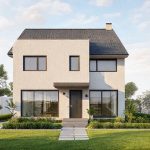
Renovating a heritage home presents unique challenges and opportunities. In Florey, Canberra, preserving the character of these beautiful properties while upgrading them for modern living, particularly focusing on energy efficiency, is paramount. This article guides building contractors working on heritage home renovations in Florey on how to seamlessly integrate energy-efficient systems and renewable energy solutions from the initial design phase, resulting in a sustainable and cost-effective outcome for their clients.
- Section 1: Assessing the Existing Building Envelope
- Section 2: Incorporating Sustainable Building Materials
- Section 3: Integrating Renewable Energy Systems
- Section 4: Smart Home Technology Integration
- Section 5: Working with Heritage Regulations in Florey
- Section 6: Securing Necessary Approvals and Permits
- FAQs
- Q: What rebates and incentives are available for energy-efficient renovations in the ACT?
- Q: How can I improve the energy rating of my heritage home?
- Q: What are the long-term cost savings of energy-efficient renovations?
- Q: How do I find a reputable building contractor experienced in heritage renovations in Florey?
- Q: What is the typical timeframe for an energy-efficient heritage renovation project in Florey?
- Key Information
Section 1: Assessing the Existing Building Envelope
Before commencing any renovation, a thorough assessment of the existing building envelope is crucial. This involves evaluating the current insulation levels in walls, floors, and ceilings, assessing the condition and energy performance of windows and doors, and identifying any air leakage points. Thermal imaging can be invaluable in pinpointing areas of heat loss. This data forms the foundation for creating an energy-efficient renovation plan that respects the heritage fabric of the home while maximising energy savings. Understanding the building’s thermal performance allows for targeted upgrades, minimising disruption and ensuring compliance with building codes.
Section 2: Incorporating Sustainable Building Materials
Choosing sustainable and energy-efficient building materials is key to a successful renovation. Consider using recycled or reclaimed materials where possible, minimising the environmental impact of the project. Insulation options such as cellulose, sheep’s wool, or recycled denim offer excellent thermal performance and are environmentally friendly. Low-emissivity (Low-E) glazing significantly reduces heat transfer through windows, while sustainably sourced timber can replace older, less efficient materials. Specifying these materials from the design phase ensures seamless integration and avoids costly retrofits later.
Section 3: Integrating Renewable Energy Systems
Integrating renewable energy sources like solar photovoltaic (PV) systems should be a core component of any energy-efficient heritage renovation. Careful consideration must be given to the roof’s structure and aesthetic to ensure seamless integration of solar panels. Battery storage systems can further enhance energy independence and reduce reliance on the grid. The design phase should accommodate the necessary electrical infrastructure for these systems, including wiring, inverters, and mounting structures. Consider the potential for other renewable energy options, such as rainwater harvesting for toilet flushing and greywater recycling.
Section 4: Smart Home Technology Integration
Smart home technology plays a crucial role in optimising energy consumption. Programmable thermostats, smart lighting systems, and energy monitoring tools allow homeowners to precisely control energy usage and identify areas for improvement. These systems can be integrated during the design phase, ensuring seamless operation and avoiding the need for costly retrofits. The choice of smart home systems should be carefully considered to ensure compatibility and ease of use. A comprehensive system will provide valuable data on energy consumption, allowing for informed adjustments and continuous improvement.
Section 5: Working with Heritage Regulations in Florey
Renovating a heritage home in Florey requires navigating specific regulations and guidelines. Collaborating closely with the relevant heritage authorities is essential to ensure that all proposed changes comply with preservation requirements. Energy-efficient upgrades must be implemented in a way that respects the building’s historical character. This may involve using traditional building techniques or materials where appropriate, while still achieving significant energy savings. Careful planning and consultation will ensure a smooth and successful renovation process.
Section 6: Securing Necessary Approvals and Permits
Before commencing any work, obtaining the necessary approvals and permits is crucial. This includes building permits, development approvals, and any specific permits required for working on a heritage-listed property. It’s advisable to engage with the relevant authorities early in the design phase to avoid delays and potential complications. Clearly outlining the proposed energy-efficient upgrades in the application process will ensure a smoother approval process. This proactive approach will help streamline the project timeline and minimise potential setbacks.
FAQs
Q: What rebates and incentives are available for energy-efficient renovations in the ACT?
A: The ACT government offers various rebates and incentives for energy-efficient upgrades, including solar PV installations, insulation improvements, and energy-efficient appliances. It’s crucial to check the latest schemes available on the relevant government websites before commencing the project.
Q: How can I improve the energy rating of my heritage home?
A: Improving the energy rating involves addressing areas of heat loss (insulation, windows, doors, air leakage), incorporating energy-efficient appliances, and integrating renewable energy sources. A professional energy assessment can identify specific areas for improvement.
Q: What are the long-term cost savings of energy-efficient renovations?
A: Energy-efficient renovations lead to significant long-term cost savings through reduced energy bills, increased property value, and potentially lower maintenance costs.
Q: How do I find a reputable building contractor experienced in heritage renovations in Florey?
A: Seek recommendations from friends, family, or neighbours. Check online reviews and ensure the contractor holds the necessary licenses and insurance. Look for experience with heritage projects and energy-efficient upgrades.
Q: What is the typical timeframe for an energy-efficient heritage renovation project in Florey?
A: The timeframe varies greatly depending on the scope of the project and the complexity of the heritage requirements. Detailed planning and efficient project management are crucial for timely completion.
Key Information
| Feature | Description | Benefit |
| —————– | ———————————————– | ———————————————- |
|---|---|---|
| Double Glazing | Low-E double-glazed windows | Improved thermal performance, reduced drafts |
| Solar PV System | Photovoltaic panels for electricity generation | Reduced reliance on the grid, lower bills |
| Insulation | Proper insulation in walls, floors, and ceilings | Reduced heating and cooling costs | | Double Glazing | Low-E double-glazed windows | Improved thermal performance, reduced drafts | | Solar PV System | Photovoltaic panels for electricity generation | Reduced reliance on the grid, lower bills |
Renovating a heritage home in Florey while achieving high energy efficiency is achievable with careful planning and the integration of sustainable practices. By incorporating energy-efficient systems from the design phase, building contractors can create homes that are both beautiful and environmentally responsible, providing significant long-term benefits for homeowners.
Contact us today to discuss your heritage home renovation project in Florey and explore how we can help you create a sustainable and energy-efficient home.
These articles are drafted with AI assistance and should be considered general information not professional advice or information Learn More
Related posts:

Energy Efficiency House Design Report: Whole-Home Energy Solutions for Sustainability Consultants in...
Optimising Energy Efficiency in Affordable Housing Developments: Sustainability Consulting in Deer P...