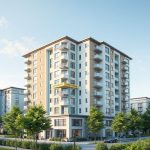
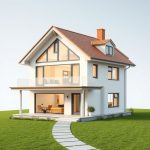
In today’s eco-conscious world, energy efficiency is a hot topic for property investors in the multi-unit residential complexes industry. By adhering to green building certification requirements, investors can create sustainable, cost-effective, and appealing properties while contributing to the future of our environment. In this article, we will outline the importance of home energy assessments in achieving energy-efficient building approval for multi-unit residential complexes in Lithgow.
- Section 1: Understanding Green Building Certification
- Section 2: The Role of Home Energy Assessments
- Section 3: Benefits of Energy Efficiency in Multi-unit Residential Complexes
- Section 4: Key Elements of a Home Energy Assessment
- Section 5: Implementing Energy-efficient Solutions
- Section 6: The Future of Energy Efficiency in Multi-unit Residential Complexes
- FAQs
- Q: What is the process for obtaining green building certification in Australia?
- Q: How much does a home energy assessment cost?
- Q: Can I claim tax deductions for energy-efficient upgrades?
- Q: How long does it take to obtain green building certification?
- Q: Is it worth investing in energy-efficient solutions for multi-unit residential complexes?
- Key Information
- Conclusion:
- Call to Action:
Section 1: Understanding Green Building Certification
Green building certification is a system that evaluates the environmental impact of a building and awards a certificate based on its performance. In Australia, the most common certifications are Green Star, LEED, and NABERS. By obtaining green building certification, property investors can demonstrate their commitment to sustainability and appeal to an environmentally-conscious market.
Section 2: The Role of Home Energy Assessments
A home energy assessment is an inspection of a building’s energy use and efficiency. The assessment identifies areas for improvement and provides recommendations for reducing energy consumption and costs. Home energy assessments are crucial in meeting green building certification requirements as they help ensure that the building is energy-efficient and sustainable.
Section 3: Benefits of Energy Efficiency in Multi-unit Residential Complexes
Energy efficiency in multi-unit residential complexes offers numerous benefits. These include lower energy bills for tenants, reduced greenhouse gas emissions, increased property value, and improved tenant satisfaction. By investing in energy-efficient features, property investors can create a more desirable and cost-effective living environment for tenants.
Section 4: Key Elements of a Home Energy Assessment
A home energy assessment typically includes an evaluation of the building’s:
- 1. Heating, ventilation, and air conditioning (HVAC) system
- 2. Insulation
- 3. Windows and doors
- 4. Lighting
- 5. Appliances and water heating
By addressing these elements, property investors can significantly improve the energy efficiency of their multi-unit residential complexes.
Section 5: Implementing Energy-efficient Solutions
Once a home energy assessment has been conducted, property investors can implement energy-efficient solutions based on the recommendations provided. These may include:
- 1. Installing energy-efficient HVAC systems
- 2. Improving insulation
- 3. Replacing inefficient windows and doors
- 4. Upgrading lighting to energy-efficient options
- 5. Installing energy-efficient appliances and water heaters
By implementing these solutions, property investors can not only meet green building certification requirements but also create more comfortable and cost-effective living spaces for tenants.
Section 6: The Future of Energy Efficiency in Multi-unit Residential Complexes
As the demand for sustainable living continues to grow, the importance of energy efficiency in multi-unit residential complexes will only increase. By investing in energy-efficient buildings, property investors can future-proof their properties, attract eco-conscious tenants, and contribute to a more sustainable future.
FAQs
Q: What is the process for obtaining green building certification in Australia?
A: The process for obtaining green building certification in Australia typically involves submitting an application, providing documentation, and undergoing an assessment by a certified assessor.
Q: How much does a home energy assessment cost?
A: The cost of a home energy assessment varies depending on factors such as the size of the building and the level of detail required. On average, a home energy assessment costs between $300 and $500.
Q: Can I claim tax deductions for energy-efficient upgrades?
A: Yes, property investors can claim tax deductions for certain energy-efficient upgrades. It is essential to consult a tax advisor for detailed information on eligible upgrades and the associated deductions.
Q: How long does it take to obtain green building certification?
A: The time it takes to obtain green building certification can vary depending on factors such as the complexity of the project and the certification level sought. On average, the process takes between 3 and 6 months.
Q: Is it worth investing in energy-efficient solutions for multi-unit residential complexes?
A: Yes, investing in energy-efficient solutions for multi-unit residential complexes can offer numerous benefits, including lower energy bills, increased property value, and improved tenant satisfaction.
Key Information
| Certification | Rating Scale |
| ————– | ————– |
|---|---|
| LEED | Certified – Platinum |
| NABERS | 0 – 6 Stars |
| Green Star | 1 Star – 6 Stars | | LEED | Certified – Platinum | | NABERS | 0 – 6 Stars |
Conclusion:
By understanding the importance of home energy assessments and green building certification, property investors in the multi-unit residential complexes industry in Lithgow can create sustainable, cost-effective, and appealing properties that meet the demands of today’s eco-conscious market. Investing in energy-efficient solutions is not only good for the environment but also offers numerous financial benefits for property investors.
Call to Action:
Ready to take the first step towards energy efficiency and green building certification for your multi-unit residential complex in Lithgow? Contact a certified assessor today and start your journey towards a more sustainable future.
These articles are drafted with AI assistance and should be considered general information not professional advice or information Learn More