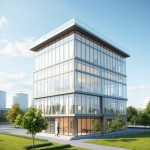
As the demand for holiday rentals in picturesque Queenstown continues to grow, so does the need for environmentally-friendly solutions to reduce carbon footprint and environmental impact. One effective approach is harnessing the power of solar orientation in designing and renovating holiday rental properties. By strategically positioning buildings to capture the sun’s energy, energy consumption can be significantly reduced, resulting in lower expenses and a more sustainable future for both property owners and the environment.
- Section 1: Understanding Solar Orientation
- Section 2: Benefits of Solar Orientation in Holiday Rentals
- Section 3: Key Considerations for Solar Orientation
- Section 4: Best Practices for Solar Orientation in Holiday Rentals
- Section 5: HVAC Considerations for Solar Orientation
- FAQs
- Section 6: Conclusion
- Call to Action
Section 1: Understanding Solar Orientation
Solar orientation refers to the positioning of a building in relation to the sun’s path throughout the day and seasons. The goal is to maximise solar gain during the day and minimise it during the night, while also considering shading and heat loss.
Section 2: Benefits of Solar Orientation in Holiday Rentals
- 1. Reduced Energy Consumption: Proper solar orientation can significantly decrease energy usage for heating, cooling, and lighting, lowering energy bills and overall operating costs.
- 2. Enhanced Guest Comfort: A well-designed solar orientation system can ensure a more comfortable indoor environment for guests, improving their overall holiday experience.
- 3. Lower Carbon Footprint: By reducing energy consumption, holiday rental properties can lower their carbon footprint, contributing to a more sustainable tourism industry in Queenstown.
Section 3: Key Considerations for Solar Orientation
- 1. Latitude: Queenstown’s latitude affects the angle at which the sun’s rays hit the building, impacting solar gain and heat loss.
- 2. Seasonal Variations: The sun’s path changes throughout the year, so it is essential to consider both summer and winter solar gain when designing a solar orientation system.
- 3. Shading and Heat Loss: Balancing solar gain with shading and heat loss is crucial to ensure a comfortable indoor environment and minimum energy consumption.
Section 4: Best Practices for Solar Orientation in Holiday Rentals
- 1. North-facing Windows: North-facing windows allow for maximum solar gain during the day, particularly in winter, when solar heat is most needed.
- 2. Shading Devices: Installing shading devices such as awnings or overhangs can help control solar gain during the summer months.
- 3. Insulation: Proper insulation is crucial to minimise heat loss during the winter and prevent heat gain during the summer.
Section 5: HVAC Considerations for Solar Orientation
- 1. Efficient HVAC Systems: Installing energy-efficient HVAC systems can help manage indoor temperatures more effectively, reducing energy consumption.
- 2. Solar-Powered HVAC: Consider solar-powered HVAC systems to further reduce energy consumption and carbon emissions.
FAQs
Q: How much can I save on energy bills with proper solar orientation?
A: Savings will vary depending on the size and layout of the property, as well as the efficiency of the HVAC system. However, proper solar orientation can result in significant reductions in energy bills.
Q: Can solar orientation also help with cooling in summer?
A: Yes, by strategically positioning windows and using shading devices, solar orientation can help manage indoor temperatures during the summer months, reducing the need for air conditioning.
Q: How does solar orientation affect the outdoor appearance of my property?
A: Well-designed solar orientation systems can be visually appealing, blending functionality with aesthetics. Consult with a professional to ensure an aesthetically pleasing design.
Section 6: Conclusion
By employing solar orientation strategies in holiday rental properties, property owners can significantly reduce energy consumption, lower expenses, and contribute to a greener future. As sustainability becomes increasingly important, embracing solar orientation is a smart and practical choice for holiday rental properties in Queenstown.
Call to Action
Contact a local HVAC expert today to learn more about solar orientation and how it can benefit your holiday rental property in Queenstown. Together, we can create a more sustainable tourism industry for the future.
These articles are drafted with AI assistance and should be considered general information not professional advice or information Learn More