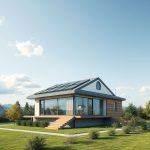
In an effort to combat climate change and reduce energy consumption, the demand for sustainable and energy-efficient homes in Australia is on the rise. This article focuses on whole-of-home energy efficiency design, specifically for eco-friendly homes in Stockton. We’ll explore how to plan and implement electrical and mechanical systems for optimal efficiency, utilising building thermal performance testing services.
- Section 1: Understanding Energy Efficiency in Sustainable Homes
- Section 2: Electrical Systems for Efficiency
- Section 3: Mechanical Systems for Efficiency
- Section 4: Building Thermal Performance Testing
- Section 5: Benefits of Energy Efficient Homes
- Section 6: Collaborating with Building Designers and Architects
- FAQs
- Key Information
Section 1: Understanding Energy Efficiency in Sustainable Homes
Energy efficiency in sustainable homes aims to minimise energy consumption while maximising comfort and reducing greenhouse gas emissions.
Section 2: Electrical Systems for Efficiency
- 1. Energy-efficient appliances: Use energy-star rated appliances that consume less electricity.
- 2. Solar power: Install solar panels to generate renewable electricity.
- 3. LED lighting: Replace traditional lighting with energy-efficient LED lights.
Section 3: Mechanical Systems for Efficiency
- 1. Insulation: Proper insulation reduces heat loss and gains, decreasing the need for heating and cooling.
- 2. Energy-efficient heating and cooling systems: Opt for high-efficiency heating and cooling systems, such as heat pumps.
- 3. Energy recovery ventilation (ERV): ERV systems recover heat from exhaust air and use it to preheat incoming fresh air.
Section 4: Building Thermal Performance Testing
Building thermal performance testing services evaluate a home’s energy efficiency by measuring its thermal properties and identifying areas for improvement.
Section 5: Benefits of Energy Efficient Homes
- 1. Lower energy bills: Reduced energy consumption leads to lower energy bills.
- 2. Eco-friendly: Energy-efficient homes contribute to a sustainable environment by reducing greenhouse gas emissions.
- 3. Increased comfort: Proper insulation and heating/cooling systems provide a comfortable living environment.
Section 6: Collaborating with Building Designers and Architects
Collaborating with building designers and architects who specialise in sustainable eco-homes ensures that energy efficiency is considered at every stage of the design process.
FAQs
Q: What is the National Construction Code (NCC)?
A: The NCC is a set of technical requirements for the design and construction of buildings in Australia, including energy efficiency standards.
Q: What is the Star Rating System for homes?
A: The Star Rating System is a nationwide standard that rates the energy efficiency of homes based on their energy consumption, with 6 stars being the minimum standard and 10 stars being the highest.
Q: What is passive solar design?
A: Passive solar design is a strategy that utilises the sun’s energy and the home’s thermal mass to heat and cool the home naturally, reducing the need for artificial heating and cooling.
Key Information
| Category | Description |
| ————— | ——————————————————————————————————————————————————————————————————————————————————– |
|---|---|
| Building Thermal Performance Testing | Measuring a home’s thermal properties to identify areas for improvement |
| Star Rating System | A nationwide standard that rates the energy efficiency of homes based on their energy consumption |
| Energy Efficiency | Reducing energy consumption while maintaining comfort and reducing greenhouse gas emissions | | Building Thermal Performance Testing | Measuring a home’s thermal properties to identify areas for improvement | | Star Rating System | A nationwide standard that rates the energy efficiency of homes based on their energy consumption |
Designing energy-efficient homes is essential for a sustainable future in Stockton, Australia. By focusing on electrical and mechanical systems and collaborating with building designers and architects, homeowners can create eco-friendly, comfortable, and cost-effective homes.
Take the first step towards a more sustainable future by consulting with a building designer or architect specialising in energy-efficient homes today.
These articles are drafted with AI assistance and should be considered general information not professional advice or information Learn More