In the quest for a sustainable future, energy-efficient homes have become a critical aspect of residential development, particularly in densely populated areas like Sunnybank Hills. By adopting energy-efficient systems, builders and certifiers can significantly reduce energy consumption, lower greenhouse gas emissions, and create more comfortable, healthier living environments. This article outlines key strategies for integrating energy-efficient systems during the design phase of duplex and triplex developments, backed by green building certifications.
Section 1: Understanding Energy Efficiency and Green Building Certifications
Green building certifications, such as the Nationwide House Energy Rating Scheme (NatHERS) and the Green Star rating system, provide a framework for assessing and improving the sustainability of residential developments. These certifications evaluate various factors, including energy efficiency, water consumption, indoor air quality, and materials selection.
Section 2: Designing for Energy Efficiency
The design phase is crucial for achieving energy efficiency in duplex and triplex developments. Key strategies include:
- – Orientation: Orient buildings to capture natural light and breezes, minimizing the need for artificial lighting and heating/cooling.
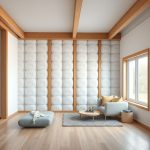
- – Insulation: Use high-performance insulation materials to reduce heat transfer and maintain comfortable indoor temperatures.
- – Shading: Incorporate shading devices, such as overhangs, eaves, and window treatments, to prevent excessive solar heat gain.
- – Natural Ventilation: Design buildings to promote natural ventilation, reducing the reliance on air conditioning.
Section 3: Energy-Efficient Building Materials
Choosing energy-efficient materials can also contribute to a building’s overall energy performance. Some options include low-e (low emissivity) glass, high-reflectance roofing materials, and insulating concrete forms (ICFs).
Section 4: Renewable Energy Integration
Incorporating renewable energy sources, such as solar panels or heat pumps, can further enhance a development’s energy efficiency. These systems generate clean, on-site energy, reducing reliance on the grid and lowering energy bills.
Section 5: Monitoring and Optimizing Performance
Continuous monitoring and optimization of a building’s energy performance is essential for ensuring long-term sustainability. This may involve installing smart meters, energy management systems, and conducting regular energy audits.
FAQs
Q: What is NatHERS?
A: The Nationwide House Energy Rating Scheme (NatHERS) is an Australian government initiative that provides a standardized method for assessing the energy efficiency of residential buildings.
Q: What is a Green Star rating?
A: The Green Star rating system is a voluntary, performance-based certification system that evaluates the sustainability of buildings, including energy efficiency, water efficiency, indoor environment quality, and materials selection.
Q: What is the benefit of using insulating concrete forms (ICFs)?
A: Insulating concrete forms (ICFs) offer high thermal mass, excellent insulation, and enhanced structural integrity, making them an effective solution for energy-efficient residential construction.
Q: How can natural ventilation reduce energy consumption?
A: By allowing fresh air to circulate naturally, natural ventilation can help maintain comfortable indoor temperatures, reducing the need for air conditioning and lowering energy bills.
Q: What is the role of certifiers in energy-efficient residential developments?
A: Certifiers play a crucial role in ensuring that energy-efficient residential developments meet the requirements of green building certification programs, such as NatHERS and Green Star.
Key Information
| Category | Description |
| ———————– | —————————————————————————————————————————————————————————————————————————————————————————————————————————————————————————————————————————————————————————————————————————————————————————————————————————————————————————————————————————————————————————————————————————————————————————————————————————————————————————– |
|---|---|
| Green Building Certification | A voluntary program that evaluates and certifies the sustainability of residential developments, considering factors such as energy efficiency, water consumption, indoor air quality, and materials selection. |
| Duplex and Triplex Developments | Residential developments consisting of two or three separate dwellings on a single lot, offering an efficient use of land and resources in densely populated areas. |
| Sunnybank Hills | A suburb in Brisbane, Queensland, known for its residential and commercial development, making it an ideal location for energy-efficient duplex and triplex developments. |
| Energy Efficiency | The reduction of energy consumption and associated greenhouse gas emissions in residential developments. | | Green Building Certification | A voluntary program that evaluates and certifies the sustainability of residential developments, considering factors such as energy efficiency, water consumption, indoor air quality, and materials selection. | | Duplex and Triplex Developments | Residential developments consisting of two or three separate dwellings on a single lot, offering an efficient use of land and resources in densely populated areas. | | Sunnybank Hills | A suburb in Brisbane, Queensland, known for its residential and commercial development, making it an ideal location for energy-efficient duplex and triplex developments. |
Conclusion:
By incorporating energy-efficient systems from the design phase and seeking green building certification, builders and certifiers in Sunnybank Hills can create sustainable, comfortable, and cost-effective duplex and triplex developments. As the demand for energy-efficient housing continues to grow, these strategies will become increasingly important for meeting the needs of homeowners and contributing to a more sustainable future.
Call to Action:
Are you ready to make a positive impact on the Sunnybank Hills community? Start exploring energy-efficient solutions and green building certifications for your next duplex or triplex development today. Contact a certified energy consultant for guidance and support in achieving your sustainability goals.
These articles are drafted with AI assistance and should be considered general information not professional advice or information Learn More