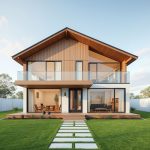
The Queensland building industry is undergoing a significant shift towards sustainable and energy-efficient construction practices. For modular and prefabricated home builders in locations like Geeveston, understanding and adhering to these regulations is not just about compliance; it’s about building a reputation for quality, reducing construction costs, and enhancing the value of your homes. This comprehensive guide will navigate you through the complexities of Queensland’s building energy efficiency requirements, offering practical advice to avoid costly redesigns and delays.
- Understanding Queensland’s Building Codes for Energy Efficiency
- Navigating the National Construction Code (NCC) for Energy Efficiency
- Energy Consumption Audits for Rental Properties: A Proactive Approach
- Minimising Construction Delays: A Checklist for Modular Home Builders
- Case Studies: Successful Energy-Efficient Modular Homes in Queensland
- Leveraging Technology for Energy Efficiency in Prefabricated Homes
- Key Information
- FAQs
- Q: What are the penalties for non-compliance with Queensland’s energy efficiency requirements?
- Q: How often should energy audits be conducted on rental properties?
- Q: Are there government incentives for building energy-efficient homes in Queensland?
- Q: What are some examples of energy-efficient materials suitable for modular homes?
- Q: Can I use prefabricated components that are not specifically designed for energy efficiency?
Understanding Queensland’s Building Codes for Energy Efficiency
Queensland’s Building Code of Australia (BCA) sets the minimum standards for energy efficiency in new buildings. These standards, primarily found in Volume 1, address aspects like thermal performance, ventilation, and lighting. For modular and prefabricated homes, meeting these requirements often necessitates careful planning during the design phase, including the selection of appropriate materials with high thermal performance ratings (like insulation R-values) and the integration of energy-efficient appliances and systems. Ignoring these standards can lead to significant penalties and project delays.
Navigating the National Construction Code (NCC) for Energy Efficiency
The National Construction Code (NCC), adopted by Queensland, provides a framework for energy efficiency requirements. Understanding the NCC’s provisions regarding thermal performance, including the calculation of the building’s thermal mass and the use of appropriate insulation, is crucial. Prefabricated home builders must demonstrate compliance through appropriate documentation, including energy assessments and modelling conducted by accredited professionals. Failure to do so can result in significant delays during the building approval process.
Energy Consumption Audits for Rental Properties: A Proactive Approach
For builders who also manage rental properties, conducting regular energy consumption audits is a proactive strategy to minimise costs and maximise efficiency. These audits identify areas of energy wastage, allowing for targeted improvements and reducing operational expenses. By identifying and addressing energy inefficiencies early, you can avoid costly redesigns and renovations later. This also improves the property’s appeal to environmentally conscious tenants.
Minimising Construction Delays: A Checklist for Modular Home Builders
Avoiding costly delays is paramount in the construction industry. For modular home builders in Geeveston, a detailed checklist focusing on energy efficiency is essential. This should include:
- * **Early engagement with energy assessors:** Obtain early advice on energy-efficient design strategies.
- * **Detailed design specifications:** Ensure all materials and systems meet the required energy efficiency standards.
- * **Thorough documentation:** Maintain comprehensive records of all energy-related aspects of the project.
- * **Regular communication:** Maintain open communication with building certifiers and other relevant stakeholders.
Case Studies: Successful Energy-Efficient Modular Homes in Queensland
Several successful modular home builders in Queensland have demonstrated that achieving high energy efficiency standards is not only possible but also profitable. These builders have leveraged innovative design strategies, high-performance materials, and advanced building techniques to create homes that meet or exceed the BCA requirements. Studying their approaches and incorporating best practices can significantly improve your own building processes.
Leveraging Technology for Energy Efficiency in Prefabricated Homes
Technology plays a crucial role in achieving energy efficiency in prefabricated homes. Software tools for energy modelling and simulation can help optimise designs before construction begins, identifying potential energy-saving opportunities and avoiding costly errors. Furthermore, incorporating smart home technologies can further enhance energy efficiency by providing real-time monitoring and control of energy consumption.
Key Information
| Aspect | Description | Importance |
| —————————– | —————————————————————————- | —————————————————————————— |
|---|---|---|
| NCC Energy Efficiency Section | Provides detailed requirements for thermal performance and other aspects. | Ensures buildings meet national standards for energy efficiency. |
| Energy Audits | Identify energy wastage in existing buildings, informing improvement strategies. | Reduces operational costs and improves the environmental performance of properties. |
| BCA Volume 1 | Sets minimum energy efficiency standards for buildings in Queensland. | Compliance is mandatory for building approvals. | | NCC Energy Efficiency Section | Provides detailed requirements for thermal performance and other aspects. | Ensures buildings meet national standards for energy efficiency. | | Energy Audits | Identify energy wastage in existing buildings, informing improvement strategies. | Reduces operational costs and improves the environmental performance of properties. |
FAQs
Q: What are the penalties for non-compliance with Queensland’s energy efficiency requirements?
A: Penalties for non-compliance can vary significantly, ranging from stop-work orders and building rectification requirements to substantial fines. The specific penalties will depend on the nature and severity of the non-compliance.
Q: How often should energy audits be conducted on rental properties?
A: The frequency of energy audits depends on several factors, including the age and condition of the property and the type of energy-consuming systems used. However, a good rule of thumb is to conduct an audit at least every 2-3 years.
Q: Are there government incentives for building energy-efficient homes in Queensland?
A: Yes, various government programs and incentives may be available to support the construction of energy-efficient homes in Queensland. It’s advisable to check with relevant government agencies for the most up-to-date information.
Q: What are some examples of energy-efficient materials suitable for modular homes?
A: High-performance insulation (with high R-values), double- or triple-glazed windows, thermally broken framing, and energy-efficient appliances are all examples of materials that can significantly improve the energy efficiency of modular homes.
Q: Can I use prefabricated components that are not specifically designed for energy efficiency?
A: While you *can* use some prefabricated components, it’s crucial to ensure that they meet the minimum requirements of the BCA and NCC for energy efficiency. Using non-compliant components may result in rejection of your building plans and significant delays.
Building energy-efficient modular and prefabricated homes in Queensland requires careful planning, attention to detail, and a thorough understanding of the relevant building codes and regulations. By proactively addressing energy efficiency from the design phase, incorporating energy consumption audits for rental properties, and leveraging available technologies, builders can avoid costly mistakes, reduce construction delays, and build sustainable, profitable homes.
Contact us today to discuss your project and learn how we can help you navigate Queensland’s building energy efficiency requirements and build compliant, high-quality modular and prefabricated homes.
These articles are drafted with AI assistance and should be considered general information not professional advice or information Learn More