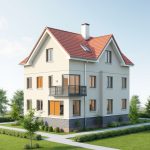
Welcome to the future of townhouse development in Carrs Park! As environmental consultants, we understand the importance of energy efficiency in modern home design. In this article, we will explore strategies for whole-of-home energy efficiency design that goes beyond minimum code requirements, offering significant energy cost reductions and a sustainable future for Australian homeowners.
- Section 1: Understanding Energy Efficiency in Townhouse Developments
- Section 2: Whole-of-Home Energy Efficiency Design Strategies
- Section 3: Exceeding Minimum Code Requirements
- Section 4: The Benefits of Energy Cost Reduction
- Section 5: Choosing the Right Environmental Consultant
- Section 6: The Future of Sustainable Townhouse Developments in Carrs Park
- FAQs
- Key Information
- Conclusion
- Call to Action
Section 1: Understanding Energy Efficiency in Townhouse Developments
Energy efficiency refers to using less energy to perform the same task, resulting in lower energy bills and a reduced carbon footprint. In townhouse developments, achieving energy efficiency involves careful planning and design, focusing on key areas such as insulation, lighting, appliances, and HVAC systems.
Section 2: Whole-of-Home Energy Efficiency Design Strategies
- 1. **Insulation**: Proper insulation reduces heat loss in winter and heat gain in summer, lowering energy consumption for heating and cooling. Consider using high-density insulation materials and ensuring that walls, roofs, and floors are adequately insulated.
- 2. **Windows and Doors**: Energy-efficient windows and doors can significantly reduce heat transfer, reducing the need for artificial heating and cooling. Choose products with low U-values and high Solar Heat Gain Coefficients (SHGC).
- 3. **Lighting**: LED lighting is more energy-efficient than traditional incandescent bulbs, consuming less power while producing the same level of light. Additionally, consider natural light when designing townhouses, using skylights and large windows where appropriate.
- 4. **Appliances**: Energy Star-rated appliances use less electricity than standard models, contributing to overall energy efficiency. Consider offering these appliances as standard equipment in townhouse developments.
- 5. **HVAC Systems**: High-efficiency HVAC systems can significantly reduce energy consumption. Look for systems with high Seasonal Energy Efficiency Ratios (SEER) and Energy Efficiency Ratings (EER).
Section 3: Exceeding Minimum Code Requirements
Minimum code requirements provide a baseline for energy efficiency in townhouse developments. However, exceeding these requirements can lead to even greater energy savings and a more comfortable living environment. This may involve using more advanced insulation materials, installing solar panels, or implementing smart home technologies.
Section 4: The Benefits of Energy Cost Reduction
- 1. **Lower Energy Bills**: Reduced energy consumption leads to lower energy bills, making townhouses more affordable for homeowners.
- 2. **Increased Comfort**: Energy-efficient designs help maintain consistent temperatures, reducing the need for frequent adjustments to heating and cooling systems.
- 3. **Improved Indoor Air Quality**: Energy-efficient designs can help reduce the introduction of pollutants and allergens into homes, improving indoor air quality.
- 4. **Sustainability**: Energy-efficient townhouses contribute to a more sustainable future by reducing carbon emissions and conserving natural resources.
Section 5: Choosing the Right Environmental Consultant
When selecting an environmental consultant for your townhouse development project, look for professionals who specialize in energy efficiency and sustainable design. Ask for examples of their work, relevant certifications, and their approach to exceeding minimum code requirements.
Section 6: The Future of Sustainable Townhouse Developments in Carrs Park
By investing in energy-efficient townhouse developments that exceed minimum code requirements, Carrs Park can lead the way in sustainable living and reduce its carbon footprint. As environmental consultants, we are committed to helping our clients create a better future for all Australians.
FAQs
Q: What is the main benefit of energy-efficient townhouses?
A: The main benefit is significant energy cost reduction, leading to lower energy bills for homeowners.
Q: How can I find an environmental consultant who specializes in energy efficiency?
A: Look for professionals with relevant certifications, such as the Certified Energy Manager (CEM) or Leadership in Energy and Environmental Design (LEED) accreditation.
Q: What are some common energy-efficient design strategies for townhouses?
A: Strategies include proper insulation, energy-efficient windows and doors, LED lighting, energy-efficient appliances, and high-efficiency HVAC systems.
Key Information
| Area | Recommended Standard | Energy Savings (annual) |
| ——————- | ——————————————- | ————————- |
|---|---|---|
| Windows & Doors | Double-glazed with low U-value and high SHGC | Up to 25% |
| Lighting | LED lighting | Up to 80% |
| Appliances | Energy Star-rated appliances | Up to 30% |
| HVAC Systems | High-efficiency systems with SEER 16+ | Up to 30% |
| Insulation | R4.0 for walls, R6.0 for ceilings | Up to 35% | | Windows & Doors | Double-glazed with low U-value and high SHGC| Up to 25% | | Lighting | LED lighting | Up to 80% | | Appliances | Energy Star-rated appliances | Up to 30% | | HVAC Systems | High-efficiency systems with SEER 16+ | Up to 30% |
Conclusion
Investing in energy-efficient townhouse developments that exceed minimum code requirements is essential for creating a more sustainable future for Australians. By working with experienced environmental consultants, developers can design townhouses that offer significant energy cost reductions, improved comfort, and a healthier living environment.
Call to Action
Contact us today to learn more about our energy-efficient design strategies and how we can help you create a better future for your townhouse development project in Carrs Park.
These articles are drafted with AI assistance and should be considered general information not professional advice or information Learn More
Related posts:
Maximising Energy Efficiency in Student Accommodation: NCC Compliance and Home Energy Assessments in...

Designing Energy-Efficient Modular Homes in Raymond Terrace: A Comprehensive Guide for Architects an...